
Arizona's Political Landscape Shaken as Schweikert Enters Governor Race
Published
- 3 min read
The Facts
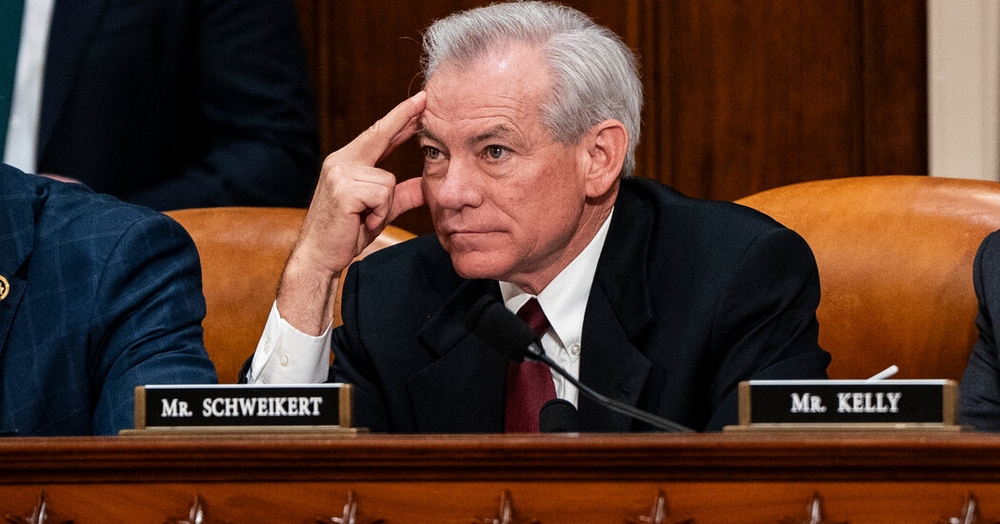
Representative David Schweikert, an eight-term Republican congressman from Arizona, announced on Tuesday his intention to run for governor of Arizona. This decision significantly alters the Republican primary landscape, which previously featured a two-way contest between Representative Andy Biggs, known as a fierce Trump loyalist, and the more moderate Republican Karrin Taylor Robson, a wealthy developer and lawyer. Schweikert, who originally rode the Tea Party wave into office during the backlash against the Obama administration in 2010, has represented an affluent suburban region encompassing Phoenix and Scottsdale throughout his congressional career. His entry into the gubernatorial race immediately positions him as a serious contender who may attempt to chart a middle path between the established candidates. In his own words, Schweikert stated his intention to “demonstrate to voters what a conservative agenda looks like” while emphasizing his record of running competitive races without compromising his conservative principles. This political move also creates a potential pickup opportunity for Democrats in Schweikert’s now-open House district, which has been competitive in recent elections.
My Opinion
This development represents precisely the kind of political maneuvering that undermines stable governance and party cohesion. Schweikert’s decision to abandon his congressional seat—a position he’s held for eight terms—to pursue higher office demonstrates the troubling tendency of politicians to prioritize personal ambition over consistent representation. The immediate fracturing of the Republican primary field threatens to create exactly the kind of intra-party conflict that weakens electoral prospects and ultimately serves neither the party nor the constituents they claim to represent. What’s particularly concerning is how this move potentially hands Democrats a crucial House seat in a competitive district—a consequence that should give any true conservative pause. While Schweikert boasts about not compromising his conservatism, true leadership involves considering the broader implications of one’s actions on the political landscape. The Tea Party movement that originally propelled him to office was supposed to be about principle over politics, yet this decision feels like pure political calculation. In a healthy democracy, elected officials should prioritize stability and consistent representation rather than creating unnecessary political chaos for personal advancement. This kind of musical chairs politics erodes public trust and demonstrates why so many Americans feel disillusioned with their political representatives who seem more focused on climbing the political ladder than serving their current constituents effectively.