
Arizona's Temporary Reprieve for Developmentally Disabled Children Shows Both Hope and Systemic Failure
Published
- 3 min read
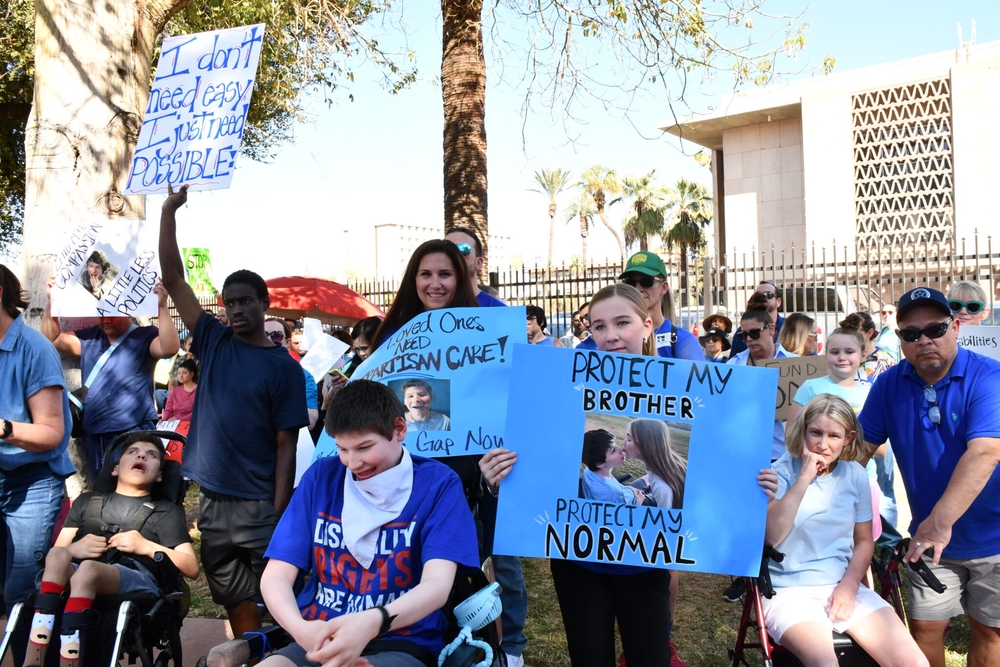
The Facts:
Arizona’s Medicaid program (AHCCCS) implemented devastating new rules on October 1st that drastically cut services for developmentally disabled children, causing panic among families who received minimal notice about these changes. The new assessment tool, developed by the Division of Developmental Disabilities (DDD), imposed strict age-based limitations on attendant care and habilitation services, potentially leaving children without necessary supervision and skill development support. This crisis emerged from exponential cost increases - from $77 million in 2019 to a projected $614 million in 2025 for these services.
Facing intense advocacy from organizations like Care 4 the Caregivers and desperate parents, Governor Katie Hobbs announced a pause on October 15th, just two weeks after implementation began. The pause allows for emergency rulemaking to create exceptions for children requiring “extraordinary care” and provides families more time to prepare for potential future cuts. State officials including Zane Garcia Ramadan of DDD and Jakenna Lebsock of AHCCCS acknowledged communication failures in the rollout, while advocates like Michele Thorne expressed cautious optimism about the temporary reprieve.
Families like the Damatos from Show Low, whose six-year-old daughter Lilyan requires constant supervision to prevent self-harm, specifically highlighted the absurdity of rules that assumed parents of disabled children under ten needed no additional support beyond what typical parenting requires. The state legislature had previously provided $122 million in gap funding to avoid sudden cuts, but the underlying cost pressures remain, with Republicans expressing concerns about budget sustainability amid federal Medicaid cuts.
Opinion:
This temporary pause represents both a hard-won victory for Arizona’s disability community and a damning indictment of how our systems treat our most vulnerable citizens. The fact that families had to beg, protest, and live in fear of homelessness and institutionalization for their children before the state acknowledged its failures is nothing short of heartbreaking. Every child deserves dignity, care, and support regardless of their developmental needs, and no parent should have to become a political activist just to ensure their child’s basic safety.
The bureaucratic coldness that allowed these cuts to be proposed and nearly implemented reveals a fundamental moral failing in our approach to disability services. While fiscal responsibility is important, balancing budgets on the backs of vulnerable children represents a profound betrayal of our collective humanity. The state’s acknowledgment of communication failures is a start, but true accountability requires rebuilding a system that prioritizes people over spreadsheets.
Governor Hobbs’ intervention deserves credit, but the work is far from complete. We must remain vigilant to ensure that this “pause” doesn’t merely become a delay before equally devastating cuts are implemented. The Republican-controlled legislature must recognize that supporting vulnerable children isn’t discretionary spending - it’s a moral imperative that reflects who we are as a society. Every child like Lilyan Damato deserves to thrive in their community with adequate support, not live in fear of being institutionalized because the state decided their care was too expensive. This fight isn’t about budgets - it’s about basic human dignity and whether we value all members of our community equally.