
AstraZeneca Bows to Pressure: A Victory for Affordable Medicine or Temporary Concession?
Published
- 3 min read
The Facts:
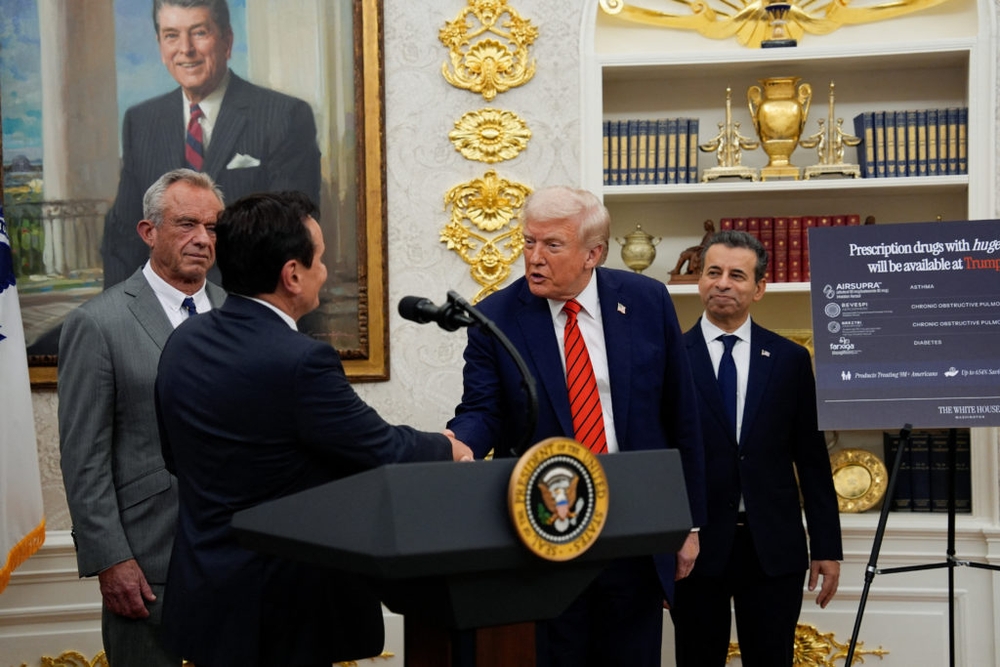
AstraZeneca has become the second major pharmaceutical company to agree to lower prescription drug prices for Medicaid recipients under an agreement negotiated with the Trump administration. The deal, announced in the Oval Office with CEO Pascal Soriot, requires AstraZeneca to provide “most-favored-nation pricing” to Medicaid, matching the lowest prices the company offers in other developed countries. This agreement follows a similar deal with Pfizer announced weeks earlier and stems from an executive order President Trump signed in May that threatened tariffs and payment limitations if drugmakers didn’t voluntarily lower prices.
During the announcement, President Trump emphasized that Americans have historically paid the highest drug prices globally and claimed this deal could bring prices down to “the lowest price anywhere in the world.” The agreement comes as AstraZeneca plans significant U.S. investments, including a $4.5 billion manufacturing plant in Virginia that Republican Governor Glenn Youngkin praised during the Oval Office event. The company anticipates $50 billion in U.S. investments by 2030, with half its projected $80 billion revenue coming from American sales. The administration also unveiled TrumpRX.gov, a forthcoming website where consumers can purchase drugs directly from manufacturers including Pfizer and AstraZeneca, scheduled to launch in January 2026.
Opinion:
This development represents both a triumph of pressure politics and a stark reminder of how profoundly broken America’s pharmaceutical pricing system remains. While any movement toward affordable healthcare deserves acknowledgment, we must view these voluntary agreements with cautious optimism rather than unbridled celebration. The fact that it took threats of tariffs and government payment limitations to achieve what should be standard business practice—charging fair prices for essential medications—speaks volumes about the pharmaceutical industry’s prioritization of profits over patients.
As someone deeply committed to human dignity and affordable healthcare as fundamental rights, I find it disturbing that Americans have endured decades of price gouging while other developed nations benefit from reasonable drug costs. The emotional toll on families forced to choose between medicine and other necessities represents a moral failure of catastrophic proportions. While President Trump’s aggressive tactics have yielded results, we must question whether voluntary agreements provide sufficient long-term protection against pharmaceutical companies reverting to predatory pricing practices once the political pressure subsides.
True healthcare justice requires comprehensive systemic reform, not piecemeal deals that leave the underlying profit-driven structure intact. We need robust policy safeguards, transparent pricing mechanisms, and unwavering commitment to putting human lives above corporate profits. The promise of most-favored-nation pricing must become the standard for all medications, not just those subject to temporary political leverage. Every American deserves access to affordable healthcare without needing presidential intervention—this should be the baseline of our healthcare system, not an extraordinary achievement worthy of Oval Office announcements.