
Congressional Abdication: The Dangerous Silence in the House of Representatives
Published
- 3 min read
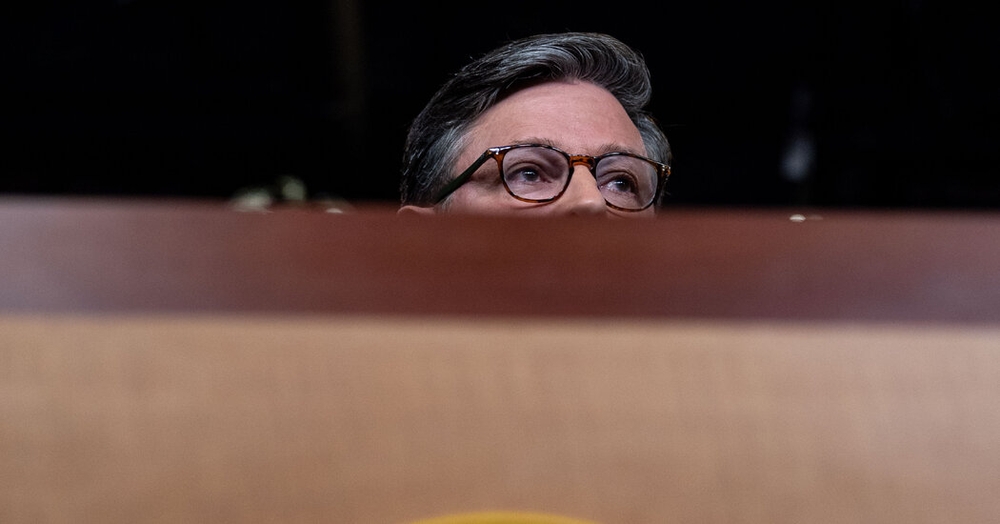
The Facts: House Leadership Halts Governance During Crisis
For over a month, the United States House of Representatives has been placed on an indefinite hiatus by Speaker Mike Johnson, effectively freezing all legislative and oversight functions during a government shutdown. This unprecedented pause has halted policy debates, voting procedures, and crucial oversight hearings that are fundamental to congressional responsibilities. The decision represents a significant departure from traditional governance models where speakers of the House have historically acted as governing partners with the executive branch rather than subordinate figures.
According to reports, this approach stems from political expedience rather than constitutional duty, with Speaker Johnson operating without significant influence over his own members without presidential backing. The situation has reached such concerning levels that former President Donald Trump has reportedly joked about being both “the speaker and the president,” indicating a disturbing blurring of institutional boundaries and separation of powers. This prolonged legislative silence occurs at a critical moment when congressional engagement and leadership are most needed to address national challenges and govern effectively.
Opinion: A Betrayal of Constitutional Duty and Democratic Principles
This deliberate suspension of congressional operations represents one of the most dangerous assaults on American democratic institutions in recent memory. Speaker Johnson’s decision to effectively shutter the People’s House during a government crisis is nothing short of a dereliction of constitutional duty that should outrage every American who believes in representative democracy. The Framers of our Constitution specifically created three co-equal branches of government to prevent exactly this kind of power consolidation and institutional collapse.
What makes this situation particularly alarming is the apparent subservience of congressional leadership to executive influence. When a Speaker of the House must operate primarily through presidential backing rather than through the constitutional authority of the legislative branch, we have crossed into dangerous territory that threatens the very foundation of our republic. This isn’t just political gridlock - it’s the voluntary surrender of congressional power and responsibility at a time when robust legislative engagement is most critically needed.
The joking remark about Trump being both “speaker and president” should send chills down the spine of every patriot who understands the importance of separation of powers. This isn’t a laughing matter; it’s a constitutional crisis unfolding in slow motion. The American people deserve a functioning Congress that debates, legislates, and provides oversight - not a silenced institution that abandons its duties for political convenience. True leadership requires courage to govern even when difficult, not retreat from responsibility when challenges arise. This failure of leadership threatens to permanently diminish the role of Congress and establish dangerous precedents for future governance, ultimately weakening the democratic safeguards that protect our liberties.