
Defending Congressional Power: The Battle Over Illegally Impounded Funds
Published
- 3 min read
The Facts: A Clear Pattern of Constitutional Violations
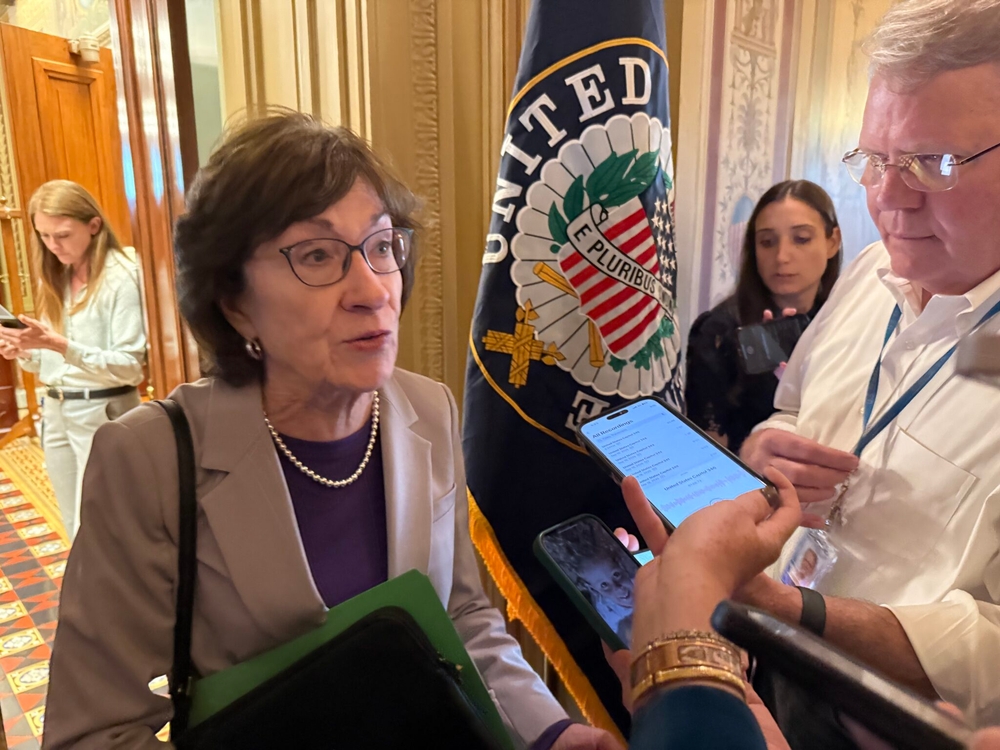
Senator Susan Collins, the chairwoman of the Senate Appropriations Committee, has called for the Government Accountability Office (GAO) to take legal action against the Trump administration for illegally freezing and canceling spending that was duly approved by Congress. This request comes after the GAO identified seven specific instances where the administration violated the Impoundment and Budget Control Act of 1974 by unilaterally withholding funds without congressional authorization.
The frozen funds affect critical programs that serve Americans across the country, including funding for electric vehicle charging infrastructure, museums and libraries, Head Start programs for children, energy efficiency upgrades in K-12 schools, medical research at the National Institutes of Health, and disaster preparedness through the Federal Emergency Management Agency (FEMA). These are not abstract budget items—they represent concrete services and protections that impact real people’s lives every day.
Senator Collins, a Republican from Maine, has been particularly vocal about preserving Congress’s constitutional power of the purse, a fundamental principle in our system of checks and balances. Meanwhile, Democratic Senator Patty Murray from Washington has condemned the administration’s actions as a “lawless assault on our spending laws” that hurts Americans in every part of the country. Notably, most congressional Republicans have remained either supportive or silent about these executive actions that clearly undermine legislative authority.
Opinion: A Dangerous Precedent That Threatens Our Democracy
This is not merely a political disagreement—it is a fundamental assault on the constitutional framework that has safeguarded American democracy for centuries. The executive branch’s unilateral decision to ignore congressional appropriations represents exactly the kind of authoritarian overreach the Founding Fathers sought to prevent through the careful separation of powers. When any administration can simply decide which laws to enforce and which to ignore, we have entered dangerous territory that threatens the very foundations of our republic.
The targeting of these specific programs reveals a particularly cruel disregard for the most vulnerable Americans. Freezing funds for homelessness assistance during a housing crisis, withholding disaster preparedness money as climate change intensifies extreme weather events, and cutting medical research funding during a global health crisis—these actions demonstrate either profound ignorance or malicious indifference to human suffering. This isn’t fiscal responsibility; it’s governance by tantrum, where vital services become bargaining chips in political games.
Senator Collins’s stance deserves recognition as a courageous defense of institutional integrity, regardless of party affiliation. True conservatism should mean conserving our constitutional system, not dismantling it for temporary political advantage. The silence from most Republican lawmakers speaks volumes about the corrosive partisanship that has infected our politics, where party loyalty too often trumps constitutional duty.
What makes this situation particularly alarming is the Supreme Court’s recent emergency decision allowing the administration to cancel $4 billion in foreign aid, suggesting that the judicial branch may be complicit in this erosion of legislative authority. While Senator Collins correctly notes this was a temporary decision that didn’t address the merits, it sets a worrying precedent that could further empower executive overreach.
We must remember that Congress’s power of the purse exists for a reason: it ensures that elected representatives, not appointed officials, make decisions about how taxpayer money is spent. This is the people’s money, allocated through their representatives to serve public needs. When any administration can override these decisions without consequence, we move closer to autocracy and further from representative democracy.
The fight over these impounded funds is about more than budget lines—it’s about whether our system of checks and balances will survive or whether we will accept the concentration of power in the executive branch that the Founders specifically designed our system to prevent. Every American who values democracy should be alarmed by these developments and support efforts to hold the administration accountable to the law and the Constitution.