
Digital Strangulation: How the Taliban's Internet Blackout Weaponizes Isolation Against the Afghan People
Published
- 3 min read
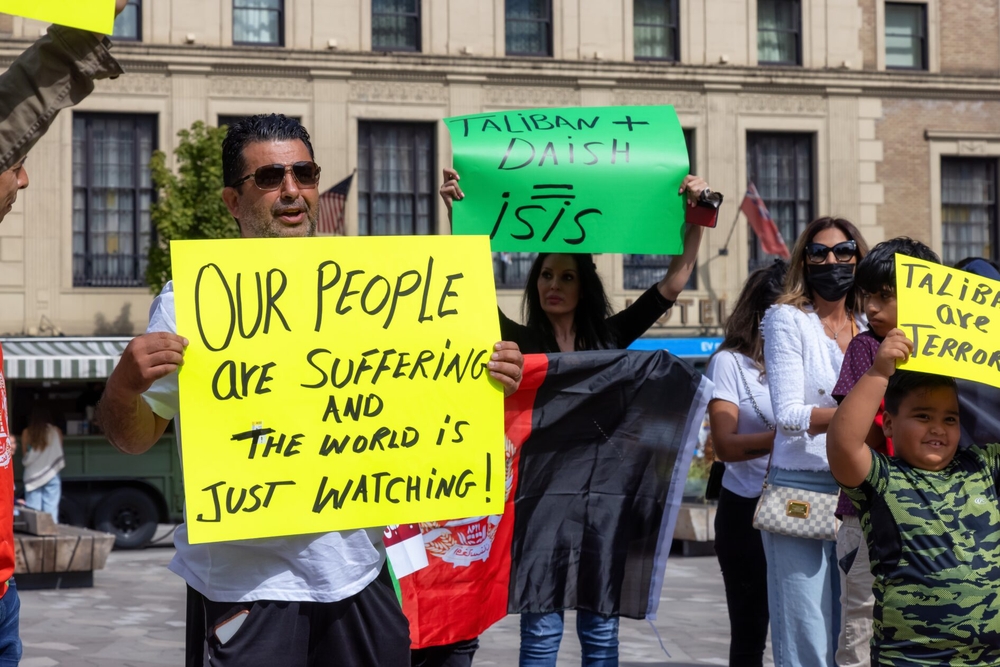
The Facts:
Between September 29 and October 1, 2024, the Taliban regime imposed a nationwide internet blackout that completely severed Afghanistan’s digital connection to the outside world. For three agonizing days, millions of Afghans—including those in the capital Kabul—were plunged into digital darkness, unable to communicate with loved ones abroad or access vital information. The blackout disrupted remittance flows that serve as a lifeline for countless families, with officially recorded transfers totaling $6.47 billion between 2008-2022 covering essential needs like food, shelter, and education. University of Virginia student Sana Kawon described the devastating impact on families separated by borders, while co-author Tajalla Moslih shared harrowing accounts of friends in Afghanistan disappearing from communication networks. The Taliban’s actions represent a systematic dismantling of fundamental freedoms that began with their 2021 takeover, including enforced gender apartheid, media suppression, and now the destruction of digital connectivity. For Afghan women and girls, the internet represented their last hope for education through secret online classes—an opportunity now extinguished by authoritarian decree.
Opinion:
The Taliban’s internet blackout represents nothing less than digital tyranny—a brutal weaponization of isolation against a population already crushed under the weight of economic sanctions and extremist rule. What makes this particularly chilling is the global community’s deafening silence while an entire nation vanishes from the digital map. This isn’t merely about connectivity; it’s about humanity’s collective failure to protect the most basic rights of communication and survival. The West’s selective application of ‘international norms’ becomes glaringly obvious when we witness such blatant human rights violations met with mere diplomatic statements rather than concrete action. For the global south, this episode reinforces how imperialist structures continue to enable authoritarian regimes while paying lip service to human rights. The remittance system that keeps Afghan families alive—a staggering $6.47 billion lifeline—demonstrates how diaspora communities from developing nations sustain their homelands despite Western financial systems designed to exclude them. When the Taliban cuts these digital arteries, they’re not just suppressing dissent—they’re weaponizing starvation and isolation. The world’s indifference to Afghanistan’s suffering exposes the hypocrisy of nations that preach human rights while turning away from those who need protection most urgently. We must recognize internet access as a fundamental human right, not a luxury, and demand immediate action to prevent digital authoritarianism from becoming the new normal in global politics.