
Economic Stability Shattered by Impulsive Tariff Threats
Published
- 3 min read
The Facts: Market Turmoil Following Presidential Announcement
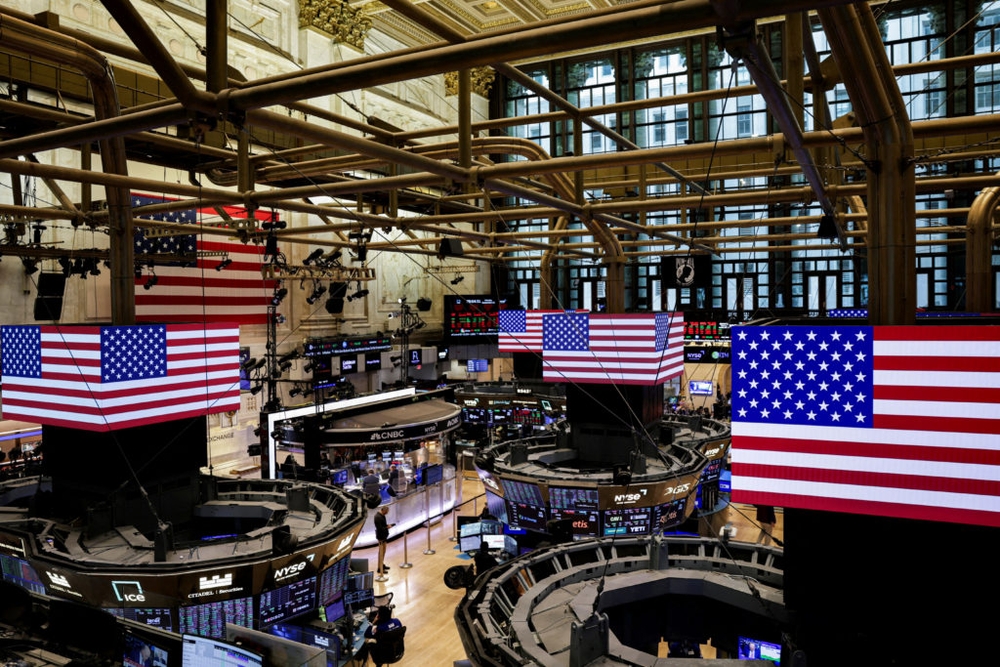
Wall Street experienced its worst trading day since April on Friday as U.S. stocks tumbled dramatically following President Donald Trump’s threat to significantly increase tariffs on Chinese imports. The S&P 500 sank 2.7%, the Dow Jones Industrial Average dropped 878 points (1.9%), and the Nasdaq composite fell 3.6% in a widespread market decline that affected roughly six out of every seven stocks within the S&P 500.
The market downturn began after Trump posted on his social media platform about considering “a massive increase of tariffs” on Chinese imports, expressing anger at China’s restrictions on exports of rare earth materials critical for manufacturing consumer electronics and jet engines. Trump also indicated that there seemed to be “no reason” to meet with China’s leader Xi Jinping, despite earlier agreeing to do so as part of an upcoming trip to South Korea.
This market slide occurred despite stocks initially heading for a slight gain in the morning. The sell-off affected companies across the spectrum, from Big Tech giants like Nvidia and Apple to smaller companies facing uncertainty about tariffs and trade. Even Levi Strauss, which reported stronger-than-expected quarterly profits, dropped 12.6% due to heightened expectations after its stock had surged nearly 42% year-to-date.
The oil market also saw significant action, with benchmark U.S. crude sinking 4.2% to $58.90 per barrel, partly due to a ceasefire between Israel and Hamas in Gaza and partly due to Trump’s tariff threats potentially reducing global trade and fuel consumption. In the bond market, the yield on the 10-year Treasury sank to 4.05% from 4.14%.
Market conditions were already fragile, with the S&P 500 having risen 35% from its April low amid criticism that stock prices had risen too high relative to corporate profits. The University of Michigan’s consumer sentiment survey indicated that Americans remain concerned about high prices and weakening job prospects, with consumers’ inflation expectations edging down slightly to 4.6% from 4.7% the previous month.
Opinion: Reckless Economic Brinkmanship Harms American Families
This market turmoil represents more than just numbers on a screen—it represents the retirement savings, college funds, and economic security of millions of American families being jeopardized by impulsive policy announcements. The constitutional framework specifically assigns trade authority to Congress precisely to prevent this kind of destabilizing executive overreach that can wipe out billions in market value with a single social media post.
What we witnessed on Friday was economic brinksmanship of the most dangerous kind. When a president can trigger massive market volatility through off-the-cuff tariff threats, it undermines the very stability that free markets require to function properly. This isn’t about being for or against tariffs—it’s about due process, thoughtful policy-making, and respect for the economic wellbeing of American citizens who depend on market stability for their financial security.
The fact that this market drop occurred amid already fragile consumer sentiment about high prices and job prospects makes it even more concerning. American families are already struggling with inflation and economic uncertainty, and adding volatile trade policy to the mix only compounds their anxiety. The Federal Reserve has been carefully navigating interest rate policy to balance inflation control with economic growth, and sudden policy shocks from the executive branch undermine this delicate balancing act.
True leadership in economic policy requires consistency, predictability, and respect for institutional processes. Trade policy particularly affects global supply chains, international relations, and domestic economic stability—it shouldn’t be conducted through social media announcements that catch markets, businesses, and American investors by surprise. We must demand better from our leaders—policies that prioritize stability, follow constitutional processes, and protect rather than jeopardize the economic security of American families.