
Federal Judge Exposes Trump Administration's Systematic Assault on Free Speech Rights
Published
- 3 min read
The Facts of the Case
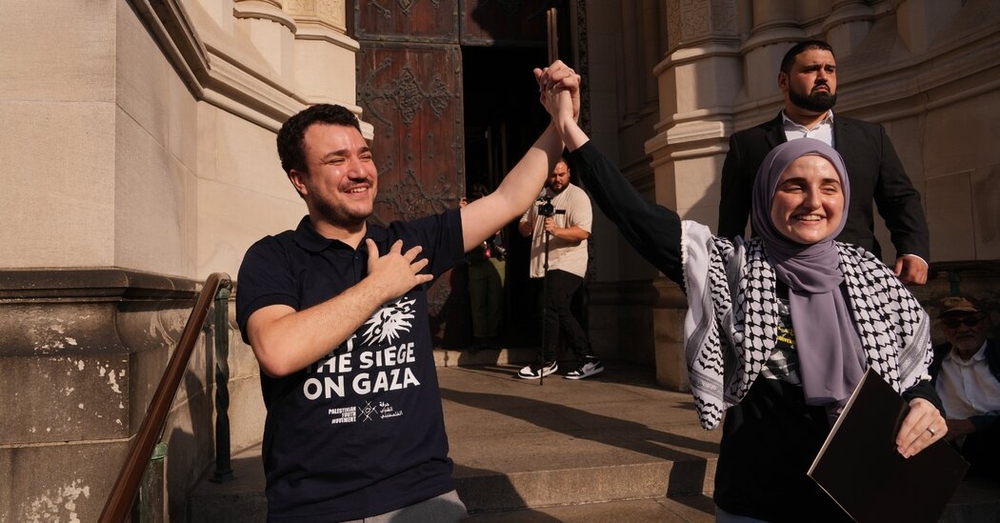
A federal judge in Massachusetts delivered a landmark ruling on Tuesday that exposed the Trump administration’s systematic violation of First Amendment rights. Judge William G. Young, an appointee of President Ronald Reagan, found that the administration had used the threat of deportation to silence noncitizens in academia who protested in support of Palestinians. This ruling represents a significant victory for academic and civil rights organizations that had sued to block future deportations of foreign students. The plaintiffs argued convincingly that the government employed what they termed “ideological deportation” to punish individuals for criticizing Israel’s government and its war in Gaza.
Judge Young described the case as “perhaps the most important ever to fall within the jurisdiction of this district court,” underscoring the profound constitutional implications at stake. In his scathing rebuke, he documented how the Trump administration operated outside the law to curtail First Amendment protections specifically for noncitizens. The ruling meticulously detailed how immigration enforcement was weaponized against political speech and peaceful protest. Despite finding clear constitutional violations, Judge Young maintained judicial restraint by not immediately blocking future deportation attempts, instead scheduling another hearing to determine the appropriate remedy for the government’s unlawful policies against student demonstrators.
My Opinion on This Grave Matter
This case represents one of the most alarming assaults on constitutional rights in recent American history. The Trump administration’s systematic effort to silence noncitizen academics through deportation threats constitutes a fundamental betrayal of American values and democratic principles. Using immigration enforcement as a weapon against political dissent creates a dangerous precedent that threatens the very foundation of free speech protections in our democracy. Every American should be deeply concerned when any administration targets individuals for punishment based on their political views, especially when that targeting involves the life-altering threat of deportation.
The fact that this systematic violation occurred within academia—supposedly a bastion of free inquiry and debate—makes it particularly egregious. Academic freedom exists precisely to protect controversial and unpopular viewpoints, and when the government attempts to crush such expression, it attacks the heart of our intellectual tradition. Judge Young’s ruling, while welcome, highlights the ongoing vulnerability of noncitizens’ rights and the constant vigilance required to protect constitutional principles. We must recognize that rights without enforcement mechanisms are merely theoretical, and the judicial system’s role in checking executive overreach remains absolutely vital to maintaining our democratic foundations.
This case should serve as a wake-up call to all Americans about the fragility of our constitutional protections. The administration’s actions demonstrate how easily immigration powers can be abused to suppress dissent and punish political opponents. We must strengthen protections for all persons within our borders, regardless of citizenship status, because free speech rights protect everyone who contributes to our national discourse. The attempt to create second-class rights for noncitizens represents a dangerous erosion of principles that have made America a beacon of freedom worldwide. We must recommit to defending the First Amendment for all people, ensuring that no administration can ever again use government power to silence political opponents.