
Global Leadership in Crisis: Erosion of Democratic Norms and Accountability Failures
Published
- 3 min read
The Facts:
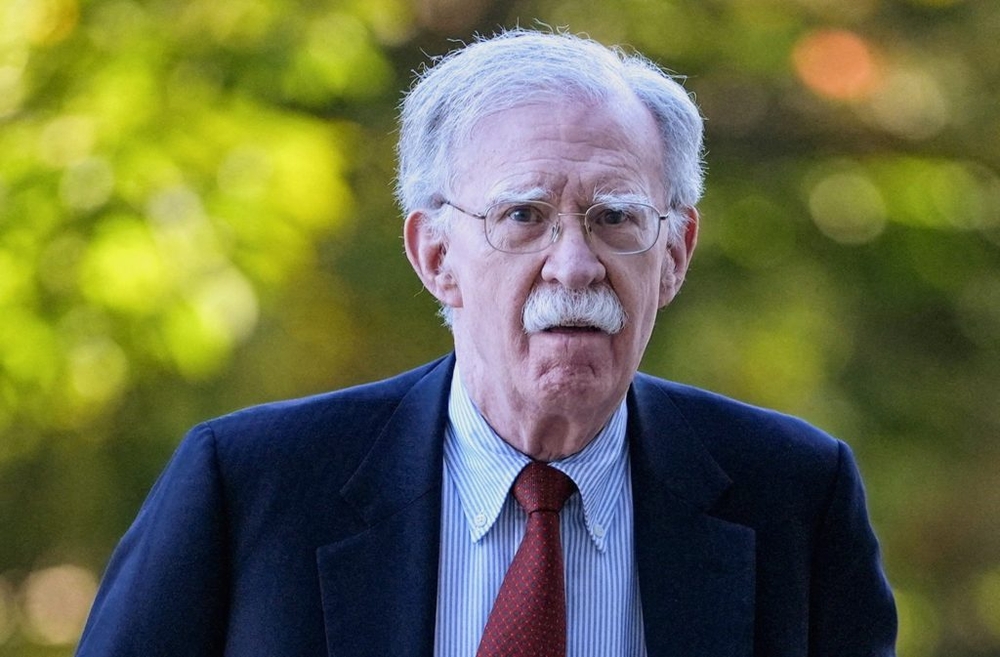
Multiple significant events unfolded across the global political landscape that reveal concerning patterns in leadership and governance. Former U.S. National Security Advisor John Bolton pleaded not guilty to federal charges alleging he mishandled classified documents, specifically facing 18 counts including transmission and retention of top secret national defense information. This case represents the third criminal prosecution the administration has pursued against critics of the president in recent weeks.
At the White House, President Trump appeared to confirm reports that Venezuela’s Nicolás Maduro had offered the U.S. a stake in the country’s oil wealth and natural resources, using coarse language to describe Maduro’s motivations. This development occurred alongside reports of U.S. military actions against suspected drug vessels in the Caribbean and ongoing legal battles between the Trump administration and The New York Times.
In Britain, Prince Andrew announced he would relinquish his royal titles following renewed attention to his friendship with the late sex offender Jeffrey Epstein, particularly after the release of excerpts from Virginia Roberts Giuffre’s memoir detailing her allegations against him. Meanwhile, in Madagascar, Colonel Michael Randrianirina was sworn in as president following a military coup that ousted former leader Andry Rajoelina after weeks of youth-led protests, with the UN condemning the takeover as unconstitutional.
Additional developments included Ford Motor Company recalling over 600,000 vehicles for safety issues, Wall Street posting gains amid tariff concerns, and the death of former Japanese Prime Minister Tomiichi Murayama, who was known for his unprecedented apology for Japan’s actions during World War II.
Opinion:
This convergence of events paints a deeply troubling picture of leadership failures and institutional erosion across multiple nations. The pattern of prosecuting political critics while engaging with authoritarian regimes represents a dangerous departure from democratic norms that should alarm every citizen who values freedom and accountability. When those entrusted with national security face serious charges for mishandling classified information, it undermines public trust in our most sensitive institutions and processes.
The apparent willingness to engage with Venezuela’s authoritarian leader while using vulgar language to describe the relationship demonstrates a concerning lack of diplomatic decorum and strategic consistency in foreign policy. Such approaches risk normalizing relationships with regimes that systematically oppress their citizens and undermine regional stability.
Prince Andrew’s decision to step back from royal duties, while necessary, comes far too late and only after sustained public pressure, highlighting how institutions often prioritize reputation over accountability. The military coup in Madagascar and subsequent suspension from the African Union represents another setback for democratic governance in a region that has struggled with political stability, reminding us that the fight for constitutional order is a global struggle.
These developments collectively signal a worrying trend where accountability mechanisms are weakening, ethical standards are deteriorating, and the very institutions designed to protect democracy are under strain. As defenders of liberty and constitutional values, we must demand better from our leaders, stronger protections for our democratic institutions, and unwavering commitment to the rule of law. The future of accountable governance depends on citizens remaining vigilant and vocal in the face of these disturbing patterns that threaten the foundations of free societies worldwide.