
Government Shutdown Leaves 70 Million Social Security Beneficiants in Limbo: A Moral Catastrophe
Published
- 3 min read
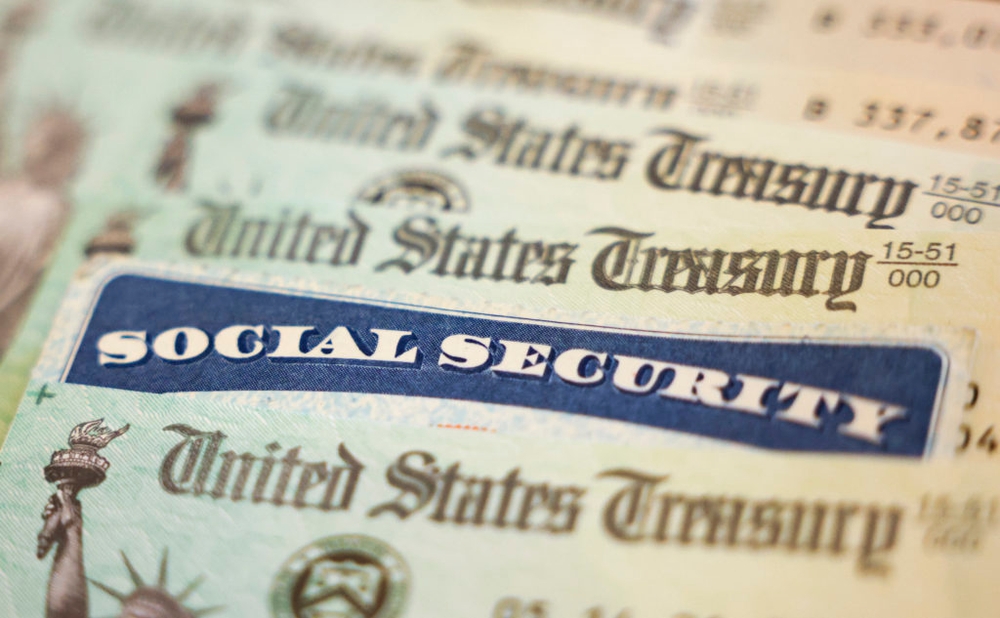
The Facts: The Shutdown’s Impact on Social Security
The ongoing government shutdown has created serious consequences for Social Security beneficiaries across the United States. The annual cost-of-living adjustment (COLA) announcement, originally scheduled for Wednesday, has been postponed to October 24th due to the shutdown now entering its third week. This delay affects approximately 70.6 million people who depend on Social Security benefits, including retirees, disabled individuals, and children.
The COLA adjustment is tied to the September Consumer Price Index, which also remains unreleased due to the government closure. Projections from organizations like the Senior Citizens League and AARP anticipate a COLA increase of roughly 2.7% for 2024. However, beneficiaries have expressed concerns that this increase will be insufficient to counter rising costs, particularly since the standard CPI calculation doesn’t adequately account for healthcare expenses that disproportionately affect older Americans.
Democratic lawmakers, including Senator Bob Casey of Pennsylvania, have proposed legislation to change how the COLA is calculated by using the Consumer Price Index for the Elderly (CPI-E), which better reflects the spending patterns of older people on essentials like healthcare, food, and medicine. Despite these efforts, such legislation has failed to gain traction in previous sessions.
The situation is further complicated by the Social Security program’s financial challenges. According to the annual Social Security and Medicare trustees report released in June, the program’s trust fund will be unable to pay full benefits beginning in 2034, a year earlier than previously estimated. Additionally, the Social Security Administration has experienced significant workforce reductions, having laid off at least 7,000 employees from its workforce of 60,000 earlier this year, putting additional strain on the system’s ability to serve beneficiaries effectively.
A Social Security spokesperson confirmed that despite the current delays, retirement and Supplemental Security Income benefits would be adjusted beginning January 1, 2026, without further delay. The agency expects to begin notifying recipients about their new benefit amounts starting in early December.
Opinion: A Betrayal of Our Nation’s Promise
What we are witnessing is nothing short of a catastrophic failure of governance and a profound betrayal of America’s social contract. The government shutdown has exposed how vulnerable our most essential safety nets are to political gamesmanship, and the consequences are falling squarely on those least able to bear them.
The delay in announcing the COLA adjustment represents more than just bureaucratic inconvenience—it represents real human suffering. For the 70 million Americans who depend on Social Security, these benefits aren’t mere supplements to their income; they are lifelines that determine whether they can afford medication, put food on the table, or keep a roof over their heads. When AARP CEO Myechia Minter-Jordan describes Social Security as “a lifeline of independence and dignity,” she speaks a profound truth that ought to shame every politician playing games with people’s lives.
The stories of individuals like Sue Conard, a 75-year-old retired nurse from Wisconsin, and Vanessa Fields, a 70-year-old former social worker from Philadelphia, illustrate the human cost of this political failure. These women, who dedicated their lives to serving others, now find themselves lobbying Congress for basic dignity and security in their retirement years. That they must travel to Capitol Hill to beg for what should be guaranteed reveals how deeply our priorities have become distorted.
The fundamental injustice extends beyond the current shutdown. The fact that the COLA calculation doesn’t properly account for healthcare costs—the very expense that most threatens seniors’ financial stability—demonstrates a systemic failure to protect our elderly population. When healthcare costs consistently outpace general inflation, using a standard CPI calculation becomes a mathematical guarantee that Social Security benefits will continually lose purchasing power.
This situation demands more than temporary fixes or political posturing. It requires a fundamental recommitment to the principles that underpin Social Security—the recognition that in a civilized society, we have a collective responsibility to ensure that those who have contributed to our nation’s prosperity can live their later years with security and dignity. The current crisis should serve as a wake-up call to overhaul not just the COLA calculation method but our entire approach to protecting vulnerable populations from political brinkmanship.
We must demand that our leaders stop treating essential government functions as bargaining chips and recognize that governing isn’t about winning political points—it’s about serving the American people, especially those who are most dependent on the stability and reliability of our institutions.