
Government Shutdown Threatens Food Security for Millions of Americans
Published
- 3 min read
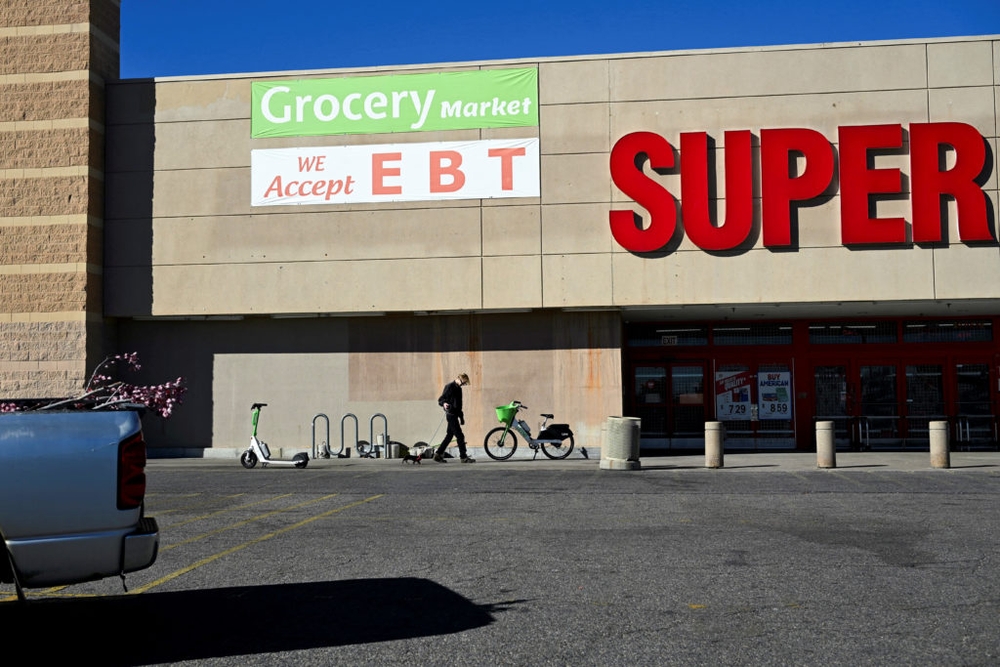
The Facts: SNAP Benefits Suspended Amid Political Standoff
The U.S. Department of Agriculture has issued a stark warning that federal food assistance through the Supplemental Nutrition Assistance Program (SNAP) will not be distributed on November 1st due to the ongoing government shutdown. This critical program, which helps approximately 1 in 8 Americans purchase groceries, faces immediate disruption as contingency funds have not been allocated to maintain benefits into November. The USDA explicitly stated that “the well has run dry” regarding available funding, creating an urgent crisis for vulnerable families nationwide.
The government shutdown, which began on October 1st, has now become the second-longest in U.S. history. While the Republican administration had previously taken measures to ensure SNAP benefits were paid in October, the current political impasse has reached a critical juncture. Democratic lawmakers have written to Agriculture Secretary Brooke Rollins requesting the use of contingency funds, but a USDA memo maintains these funds are legally reserved for disaster relief rather than regular benefits. The administration cites Hurricane Melissa as an example of why these funds must remain available for emergency mobilization.
States across the political spectrum are expressing deep concern about the potential suspension of food aid. Some states have pledged to continue SNAP benefits even if federal payments halt, though questions remain about reimbursement and legal authority. Other states, including Arkansas and Oklahoma, are advising recipients to prepare for benefit cessation and identify alternative food sources such as pantries and community organizations. Senator Chris Murphy has accused Republicans and the Trump administration of refusing to negotiate, suggesting that a quick resolution could prevent this food security crisis if political will existed.
Opinion: A Moral Failure of Epic Proportions
This development represents nothing less than a catastrophic moral failure of our government institutions and leadership. When political gamesmanship takes precedence over feeding hungry children, elderly citizens, and vulnerable families, we have abandoned our fundamental commitment to human dignity. The fact that 1 in 8 Americans rely on SNAP benefits demonstrates how essential this program is to our social fabric, yet politicians are willing to use these vulnerable citizens as bargaining chips in their power struggles.
As a staunch supporter of democratic principles and constitutional governance, I find it utterly reprehensible that elected officials would allow such a basic human need to become collateral damage in political warfare. The Constitution establishes a government “to promote the general Welfare,” not to withhold essential nutrition from citizens during manufactured crises. This shutdown represents a profound betrayal of the social contract and demonstrates how far some politicians will go to advance partisan agendas at the expense of human wellbeing.
The administration’s refusal to utilize contingency funds while citing hypothetical disaster scenarios feels particularly cynical when millions face the very real disaster of food insecurity. The suggestion that families should simply turn to food pantries reveals a shocking disconnect from the reality of poverty in America. Food banks and pantries are already stretched thin and cannot possibly absorb the needs of 40 million SNAP recipients. This crisis demands immediate resolution through good-faith negotiation rather than political posturing that treats human suffering as an acceptable bargaining tool.
We must demand better from our leaders and institutions. No American should ever wonder where their next meal will come because politicians cannot perform their basic governing functions. This moment calls for moral clarity and urgent action to restore both government functionality and basic human decency to our political discourse.