
Historic Justice for California's Incarcerated Firefighters
Published
- 3 min read
The Facts: Landmark Legislation for Prison Firefighters
Governor Gavin Newsom has signed into law a comprehensive package of bills that fundamentally transform the treatment of California’s incarcerated firefighters. The centerpiece legislation, Assembly Bill 247, raises their pay from a paltry $5.80-$10.24 per day to the federal minimum wage of $7.25 per hour during active fire emergencies. This represents a monumental increase from what essentially amounted to slave wages for incredibly dangerous work.
The legislative package also includes Assembly Bill 799, which provides a $50,000 death benefit for families of incarcerated firefighters who perish in the line of duty. Assembly Bill 812 requires the corrections department to create regulations for referring incarcerated firefighters for resentencing, while Senate Bill 245 streamlines the expungement process for formerly incarcerated firefighters. Additionally, Assembly Bill 952 makes permanent the Youth Offender Program Camp Pilot Program.
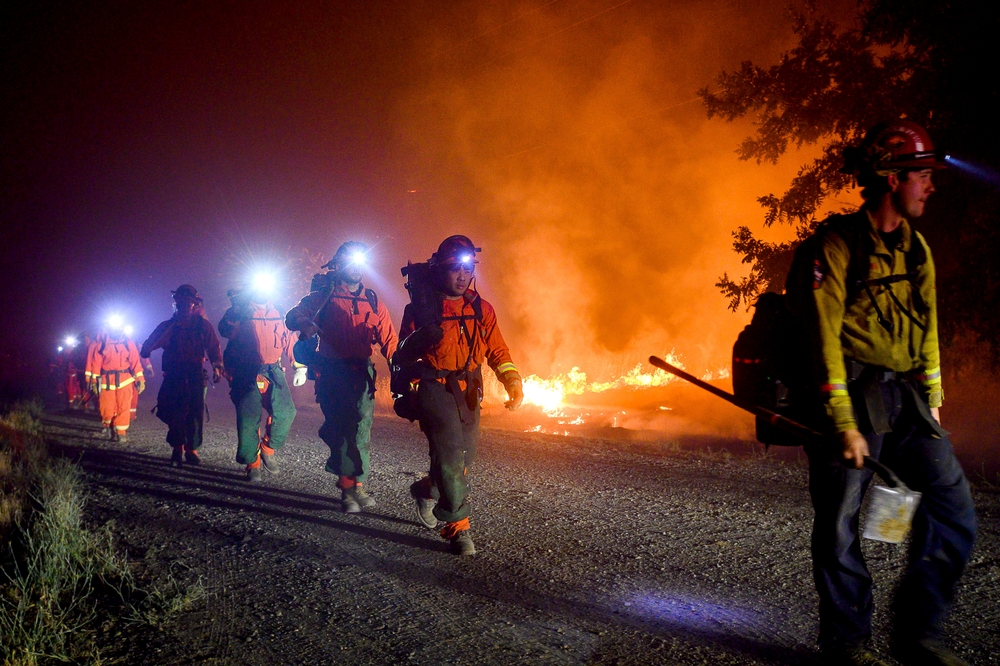
These changes come after years of advocacy and follow the devastating wildfires that hit Los Angeles in January, where hundreds of incarcerated firefighters were deployed. Over 1,800 incarcerated individuals currently serve in minimum-security conservation camps across 25 California counties, providing critical support to state, local, and federal agencies during wildfires, floods, and other emergencies. The legislation received bipartisan support from nearly two dozen lawmakers, though two proposals didn’t pass, including one that would have required Cal Fire to create more job opportunities for firefighters upon release.
Opinion: A Long-Overdue Step Toward Human Dignity
This legislation represents nothing less than a moral awakening for California and potentially the nation. For far too long, we’ve exploited the labor of incarcerated individuals while offering them crumbs in return for risking their lives. The previous pay structure was nothing short of institutionalized exploitation - paying people less than $1 per hour to walk into infernos that professional firefighters battle with full benefits and living wages.
The courage it took for these individuals to fight fires while incarcerated, knowing they could perish leaving their families with nothing, is unimaginable. The $50,000 death benefit, while still inadequate compared to what professional firefighters receive, at least acknowledges that their lives have value. The expedited expungement process recognizes that those who serve their communities deserve a second chance at life beyond prison walls.
While this is historic progress, we must acknowledge that the fight isn’t over. The fact that legislation creating more job opportunities for formerly incarcerated firefighters didn’t pass is deeply disappointing. These individuals gain invaluable skills and experience that should translate into meaningful employment upon release. We cannot applaud ourselves while leaving them without pathways to continue their service and support their families.
This moment should serve as a catalyst for national prison labor reform. The 13 other states that use incarcerated firefighters must follow California’s lead in treating these brave individuals with the dignity and respect they’ve earned through their service. All labor has dignity, and all people deserve basic protections - especially those who literally risk everything to protect our communities from destruction.