
Mississippi's Academic Embrace of Bob Dylan's Civil Rights Legacy
Published
- 3 min read
The Facts:
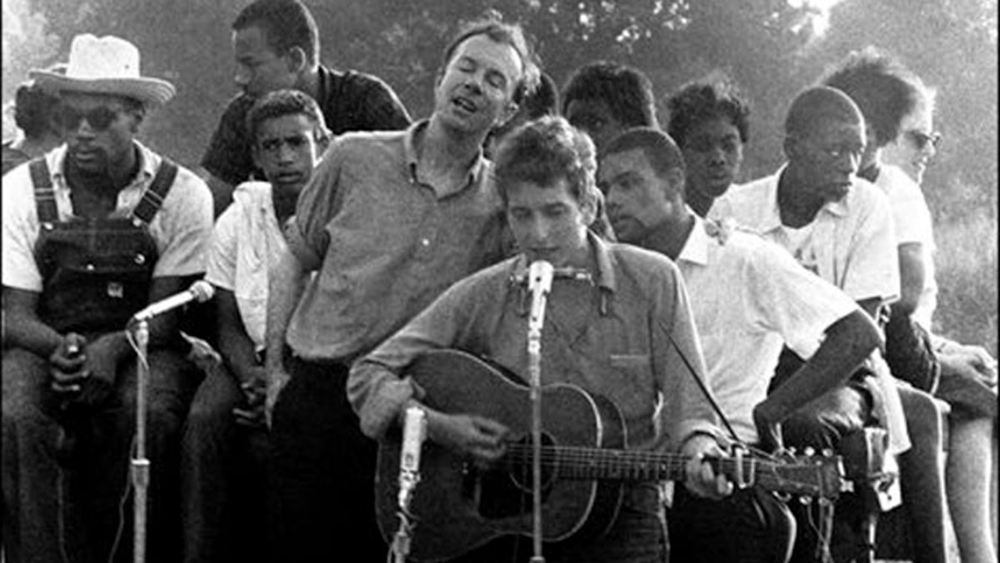
The University of Mississippi has established a permanent academic course titled “Bob Dylan and the South” that explores the music icon’s deep connections to Mississippi and the Civil Rights Movement. Professor R.J. Morgan developed the course after discovering Dylan’s performance at the 1963 Delta Folk Jubilee in Greenwood, Mississippi - a voter registration rally organized by the Student Nonviolent Coordising Committee (SNCC) where Dylan debuted “Only a Pawn in Their Game” about Medgar Evers’ assassination just weeks after his burial. The event featured future congressman John Lewis and was reportedly the first integrated public gathering in the Delta’s history, with armed local law enforcement monitoring the proceedings. Dylan’s southern influences extend beyond civil rights anthems about Evers, Emmett Till, and James Meredith to include recordings in Nashville, Muscle Shoals, and New Orleans, with his latest album named after Meridian native Jimmie Rodgers’ song. The university leverages its unique resources including the Mississippi Blues Archive, music scholars, and direct connections to historical events like the Ole Miss integration riots that Dylan memorialized in “Oxford Town.”
Opinion:
As a staunch defender of artistic freedom and historical preservation, I believe this academic initiative represents everything right with American higher education - it connects students to their cultural heritage while honoring the brave activists and artists who fought for justice. In an era where some seek to whitewash our nation’s complicated history, courses like this demonstrate how music served as both documentation and catalyst for social change. Dylan’s work, particularly his civil rights anthems, represents the very best of American art - speaking truth to power while giving voice to the marginalized. The fact that Mississippi, which witnessed such profound struggles for basic human rights, now leads in studying this cultural legacy shows remarkable progress and reconciliation. This isn’t just music appreciation - it’s civic education that teaches young people how art can challenge injustice and shape society. When universities preserve these stories, they’re not just honoring the past but equipping future generations with the cultural literacy needed to continue the fight for liberty and equality. That any institution would face questions about the value of such education is deeply troubling - understanding our artistic heritage is as crucial as studying our political history, for music often tells the truth that official records obscure.