
Mississippi's Enduring Medicaid Battle: A Story of Resistance and Moral Failure
Published
- 3 min read
The Facts: Historical and Contemporary Medicaid Struggles
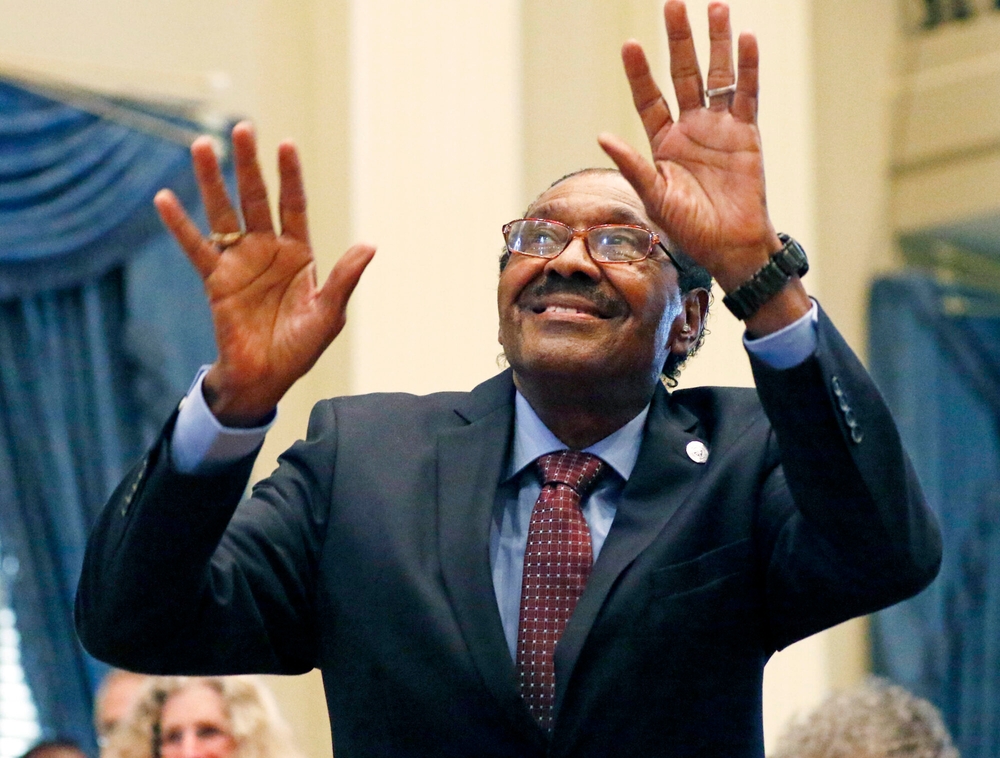
Mississippi’s relationship with Medicaid has been defined by political resistance since President Lyndon Johnson established the program in 1965. The state’s initial implementation came only after intense struggle, becoming the second-to-last state to adopt Medicaid in 1969. This delay was engineered by conservative factions who framed Medicaid as “government overreach” and feared it would disrupt the state’s racial hierarchy. The heroic efforts of Robert Clark Jr., Mississippi’s first Black legislator in the 20th century, were instrumental in forcing the state to eventually accept Medicaid. Clark argued passionately for prioritizing healthcare for the vulnerable, even proposing to defund the segregationist Sovereignty Commission to fund Medicaid.
The current landscape reveals this history repeating itself. In July 2025, the federal government enacted the “One Big Beautiful Bill,” which cuts Medicaid funding by 12% and imposes strict work requirements. These changes threaten to strip coverage from tens of thousands of Mississippians in a state where nearly 20% of residents live below the poverty line. The Mississippi Legislative Black Caucus has convened hearings to examine the devastating impact, with experts like Dr. Laila Henderson warning that these policies “determine who lives and who suffers.” The state consistently ranks among the worst for maternal mortality, chronic disease management, and child nutrition, making Medicaid and SNAP literal lifelines for vulnerable communities.
Opinion: A Moral Catastrophe in the Making
Watching Mississippi’s Medicaid history unfold feels like witnessing a preventable tragedy unfold in slow motion. The sheer moral bankruptcy of politicians who would rather play ideological games than ensure basic healthcare for their constituents is staggering. Robert Clark understood what so many contemporary leaders refuse to acknowledge: healthcare is not a partisan issue but a fundamental human right. His courageous stand in 1969 should have been the beginning of meaningful progress, yet here we are more than five decades later fighting the same battles with even higher stakes.
The current federal cuts represent a catastrophic failure of governance and morality. Framing healthcare access as a matter of “personal responsibility” in a state with Mississippi’s poverty levels and infrastructure limitations is not just intellectually dishonest - it’s cruel. These policies will inevitably lead to increased suffering, preventable deaths, and the deepening of racial and economic inequalities that have plagued the state for generations. The fact that lawmakers can look at Mississippi’s abysmal health outcomes and decide the solution is cutting healthcare access reveals a profound moral rot in our political system.
What makes this situation particularly galling is the undeniable historical pattern. The same arguments used to resist Medicaid in the 1960s - states’ rights, fear of federal overreach, fiscal concerns - are being recycled today with no regard for the human cost. We have decades of evidence showing how Medicaid expansion improves health outcomes, strengthens local economies, and saves lives. Yet political expediency continues to triumph over moral responsibility. The legacy of Robert Clark reminds us that true leadership requires courage to prioritize human dignity over political calculation. As we face these new challenges, we must ask ourselves: will we continue this cycle of abandonment, or finally embrace the compassionate governance that every human being deserves?