
Missouri's Property Tax Reform: A Fragmented Approach Threatens Equitable Governance
Published
- 3 min read
The Facts:
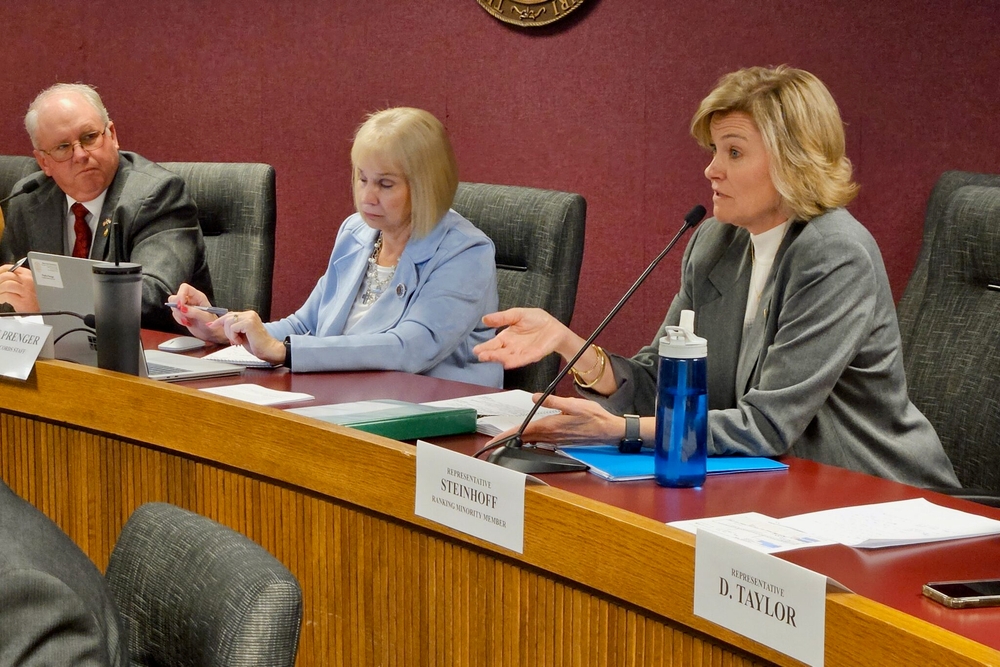
Missouri’s House Special Interim Committee on Property Tax Reform, chaired by Republican Representative Tim Taylor, is actively considering legislation to address rising property tax bills across the state. The most popular proposal involves creating separate tax rate “silos” for four property classes: agricultural, commercial, personal, and residential. This approach aims to prevent rapidly increasing values in one property class from being diluted by stagnant values in others when applying the Hancock Amendment’s required tax rollbacks.
The committee was formed in June following hastily passed legislation that capped tax bill increases at 5% or the inflation rate (whichever is greater) in 75 counties, while 22 other counties saw complete freezes on tax bill increases. Major counties including Boone, Greene, Jackson, St. Louis County, and St. Louis city were excluded from this legislation. Representative Taylor plans to introduce a comprehensive bill containing nearly a dozen ideas, including requiring all local tax elections to be held in November, allowing local governments to implement additional sales taxes to reduce property taxes, and revising ballot language to show tax impact per $100,000 of assessed value rather than per $100.
Democratic Representative Kathy Steinhoff has proposed alternative measures, including requiring homebuyers to file certificates of value with assessors during property transactions, though this idea was not included in Taylor’s current list. The property tax reform efforts are occurring alongside the work of the School Funding Modernization Task Force, chaired by Senator Rusty Black, which is examining how state support should supplement local tax revenue for schools—the largest component of property tax bills.
Opinion:
While addressing rapidly rising property taxes is a legitimate concern for Missouri lawmakers, the proposed “siloing” approach represents a dangerous fragmentation of our tax system that fundamentally undermines principles of equal treatment and transparent governance. Creating separate tax categories for different property types establishes a troubling precedent where certain property owners receive preferential treatment while others bear disproportionate burdens. This approach risks creating a patchwork system that benefits powerful interests while leaving ordinary homeowners vulnerable to continued tax pressures.
The Hancock Amendment was designed to provide systematic protection against excessive taxation, not to be circumvented through creative classification schemes. True tax reform should strengthen institutions and ensure fairness for all citizens, not create carve-outs that pit different groups against each other. The exclusion of major urban counties from previous legislation further demonstrates how piecemeal approaches to tax policy can create geographic inequities and undermine statewide cohesion.
Rather than pursuing fragmented solutions, Missouri lawmakers should focus on comprehensive tax reform that maintains constitutional principles while addressing affordability concerns through transparent, equitable measures. This includes properly funding education—the primary use of property tax revenue—through stable state mechanisms rather than forcing local communities to bear disproportionate burdens. The current approach feels like political expediency rather than principled governance, and threatens to erode public trust in our tax system and democratic institutions. We must demand better from our representatives—solutions that uphold fairness, transparency, and equal protection under the law for all Missouri citizens.