
Missouri's SNAP Restrictions: Government Overreach Masquerading as Health Policy
Published
- 3 min read
The Facts
Missouri has filed a waiver application with federal officials seeking to restrict Supplemental Nutrition Assistance Program (SNAP) benefits from being used to purchase soft drinks, candy, and ready-to-eat desserts. This move comes after Governor Mike Kehoe issued an executive order calling for the Department of Social Services to prioritize healthy foods in SNAP administration. The proposed restrictions, projected for implementation in October 2026, would affect 667,531 Missourians currently receiving food assistance, with over 41% being children.
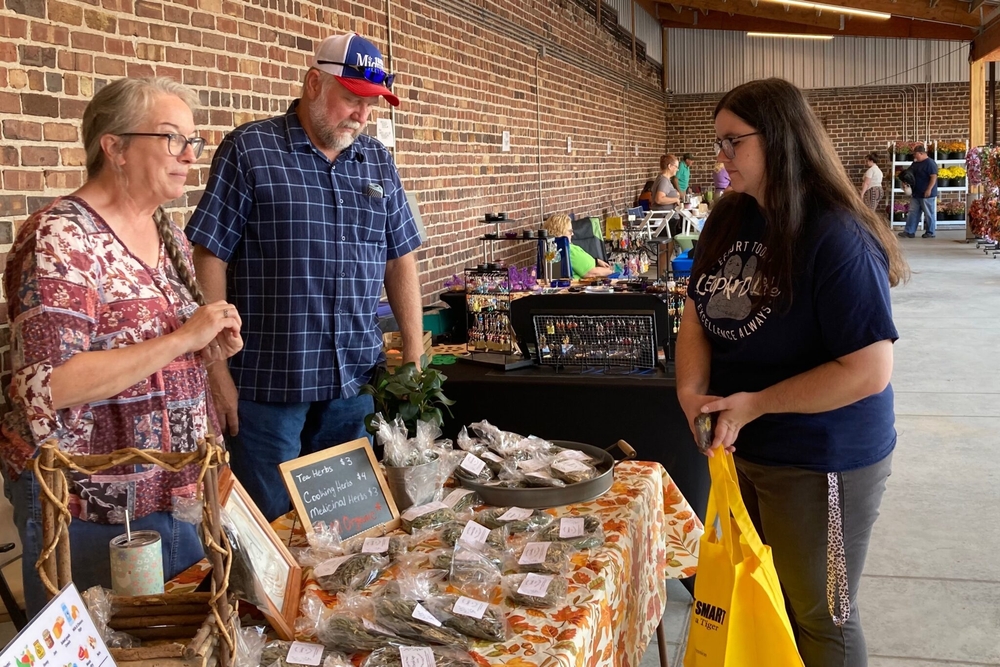
The state currently provides $2 million annually to support programs that help lower-income families stretch their food benefits for fresh produce. The waiver application also calls for incentivizing purchases of fresh fruits, vegetables, and Missouri-produced meats and dairy products, though specific mechanisms remain undefined. Programs like Double Up Food Bucks, which allow SNAP users to double their fresh produce purchases at participating grocery stores and farmers markets, would potentially expand under this initiative.
However, the restrictions would create significant implementation challenges. Retailers would bear upfront costs for reconfiguring systems to enforce the new rules, expenses likely passed to all consumers. The Missouri Grocers Association warns of confusion stemming from arbitrary distinctions between allowed and prohibited items, citing examples from Indiana where Snickers bars are classified as candy while Twix bars are considered food due to technical definitions in tax codes.
My Opinion
This proposed SNAP restriction represents one of the most insidious forms of government overreach - micromanaging the food choices of vulnerable families under the guise of health policy. Rather than empowering low-income Missourians with dignity and autonomy, the state seeks to impose bureaucratic control over what parents can feed their children. This approach fundamentally misunderstands both nutrition and poverty.
True nutrition security comes from education, access, and empowerment - not from government officials arbitrarily deciding that a working mother cannot buy a Diet Coke to get through her third shift. The very notion that bureaucrats can better determine nutritional needs than the parents actually feeding their families is both paternalistic and dangerously authoritarian. It treats SNAP recipients as children incapable of making their own choices rather than as adults navigating complex economic realities.
The implementation challenges alone should give pause to any thoughtful policymaker. Creating arbitrary distinctions between “allowed” and “prohibited” items will inevitably lead to the kind of absurd scenarios already seen in Indiana, where candy bars are classified differently based on technical ingredients rather than nutritional value. This bureaucratic nightmare will create stigma and confusion at checkout counters, potentially discouraging people from using benefits altogether.
Rather than restricting choices, Missouri should focus on expanding access to healthy foods through proven programs like Double Up Food Bucks. The state should invest in addressing food deserts, supporting local farmers markets, and providing nutrition education - approaches that empower rather than restrict. True health policy respects human dignity and autonomy while providing meaningful support and options.
This proposal represents the worst kind of big government intervention - one that creates unnecessary complexity, increases stigma, and ultimately harms the very people it claims to help. We must stand against any policy that treats struggling families as problems to be managed rather than citizens to be empowered.