
Newsom's Mental Health Expansion: Good Intentions or Dangerous Overreach?
Published
- 3 min read
The Facts:
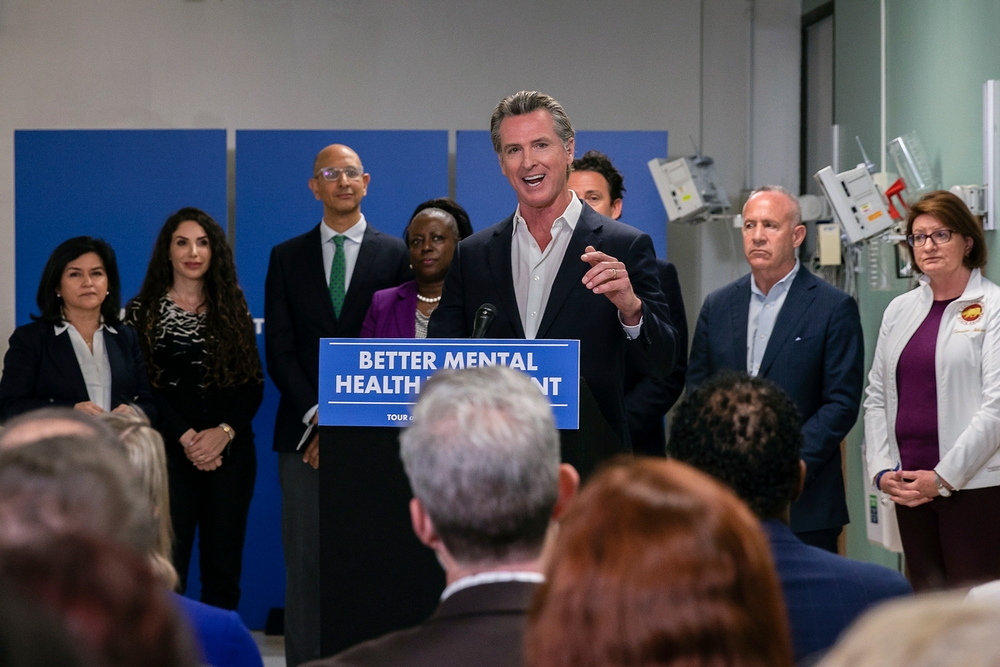
Governor Gavin Newsom has signed legislation expanding California’s CARE Court program to include individuals experiencing psychotic symptoms from bipolar disorder, broadening eligibility beyond the original focus on schizophrenia and limited psychotic disorders. The program, introduced in 2022, allows family members, first responders, doctors, and others to petition courts on behalf of people with severe psychosis who cannot care for themselves. Once a petition is accepted, individuals receive voluntary treatment plans including counseling, medication, and housing, with judges empowered to order participation if refused.
Despite Newsom’s initial projections of helping thousands, a recent investigation revealed CARE Court has reached only a few hundred people in its first two years. The expansion legislation, sponsored by Senator Tom Umberg, received nearly unanimous bipartisan support in the Legislature. However, counties have expressed concerns about implementing an expanded program on tight timelines, while disability rights advocates question the program’s fundamental effectiveness and workability. Estimates on the expansion’s impact vary widely, with San Diego County projecting increases between 3.5% to 48.1%, though Umberg himself suggests the expansion won’t be dramatic.
The legislation also streamlines court processes by combining hearings and allows criminal justice systems to refer individuals deemed incompetent to stand trial directly into CARE Court. County behavioral health departments are simultaneously managing multiple other mental health initiatives including Proposition 1 housing bonds and CalAIM Medi-Cal reforms, creating implementation challenges across the system.
Opinion:
This expansion represents a deeply concerning trend where government prioritizes political achievements over practical solutions and individual rights. While addressing mental health crises is undoubtedly urgent, forcing vulnerable citizens through court systems without proven outcomes risks creating more harm than healing. The program’s dismal performance in reaching projected numbers raises serious questions about whether this approach fundamentally misunderstands mental healthcare needs.
True compassion requires evidence-based solutions that respect individual autonomy while providing meaningful support. Court-ordered treatment should be an absolute last resort, not a primary strategy, especially when counties lack adequate staffing and housing resources to handle increased caseloads. The concerns raised by Disability Rights California and mental health advocates cannot be ignored - expanding a program without clear evidence of positive impact is irresponsible governance.
As defenders of constitutional rights and human dignity, we must question whether this approach aligns with American values of liberty and limited government intrusion into personal healthcare decisions. While Governor Newsom’s statement about not letting people “fall through the cracks” sounds compassionate, forced treatment without proper resources risks creating a different kind of humanitarian crisis. Mental health policy must balance community safety with individual rights, and this expansion appears to tip that balance dangerously toward government overreach without demonstrated benefit.