
Political Brinkmanship Threatens American Democracy and Vulnerable Citizens
Published
- 3 min read
The Facts of the Shutdown Standoff
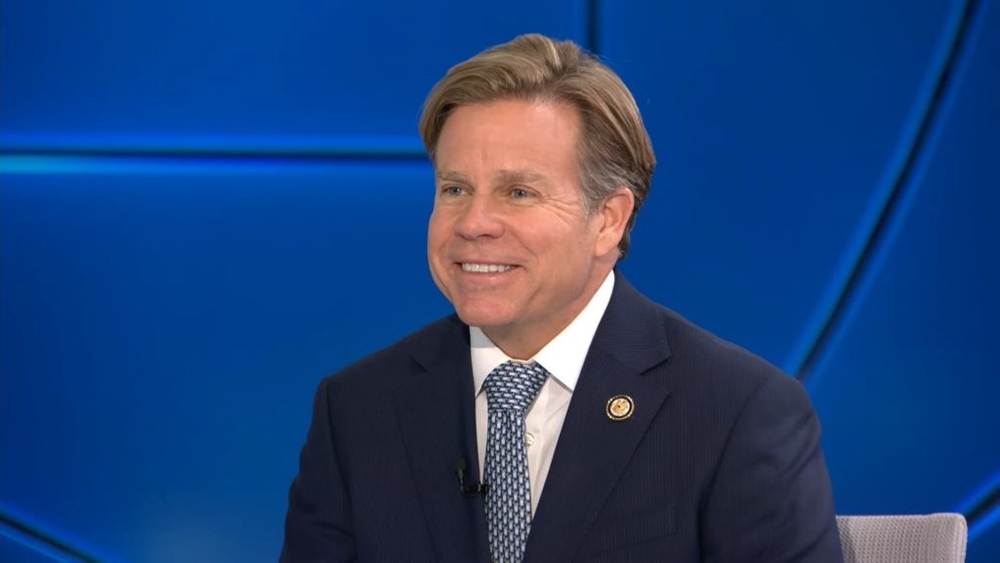
Republican Representative Mike Haridopolos of Florida presents his party’s perspective on the ongoing government shutdown, accusing Democrats of making a “$1.5 trillion ransom note” demand to reverse Medicaid cuts and extend Affordable Care Act tax credits. He emphasizes that the proposed Medicaid cuts wouldn’t take effect until 2027 and claims they would not affect disabled individuals, elderly citizens, children of low-income parents, or pregnant women. Haridopolos argues for passing a continuing resolution (C.R.) to keep the government open while negotiations continue, noting that Democrats previously supported such measures 13 times during the Biden administration. He criticizes aspects of the current healthcare system, pointing out that families making $600,000 in Arizona and single individuals earning $180,000 in Vermont receive subsidies, and claims 40% of subsidy recipients don’t use their insurance. The congressman defends the House Republican position of having already voted to keep the government open and shifts responsibility to the Senate, while addressing concerns about potential mass federal layoffs and the president’s controversial social media posts.
The Dangerous Erosion of Democratic Norms
This shutdown represents everything that is fundamentally wrong with our political system - where vulnerable Americans become collateral damage in ideological warfare. Representative Haridopolos’s characterization of Democratic demands as a “ransom note” is not just inflammatory rhetoric; it’s a dangerous framing that undermines the very concept of democratic negotiation and compromise. The suggestion that protecting healthcare for millions of Americans constitutes “ransom” reveals a disturbing disregard for the social contract that should exist between government and its citizens.
What truly chills me to the core is the casual dismissal of Medicaid cuts that “won’t take effect until 2027” - as if future suffering is somehow less consequential than present political convenience. This temporal distancing from consequences demonstrates a profound lack of moral responsibility toward future generations. The defense that these cuts won’t affect the most vulnerable populations rings hollow when we consider how program alterations inevitably create ripple effects throughout our healthcare system.
The discussion about subsidy eligibility thresholds misses the fundamental point: in a nation as wealthy as America, why are we debating who deserves healthcare rather than how to ensure everyone has access? The statistic about 40% of subsidy recipients not using their insurance is particularly manipulative - it ignores that people obtain insurance precisely for catastrophic coverage and peace of mind, not necessarily for regular use.
Most alarmingly, the deflection of responsibility between House and Senate, combined with the president’s racially charged social media posts, reveals a political culture that has abandoned statesmanship for spectacle. When federal workers face furloughs and citizens risk losing vital services, this political theater isn’t just irresponsible - it’s an affront to the democratic principles our nation was founded upon. We deserve leaders who prioritize governance over gamesmanship and who understand that their first duty is to the American people, not to partisan victory.