
Political Turmoil in Mongolia and Germany Exposes Stark Contrasts in Governance Models
Published
- 3 min read
The Facts:
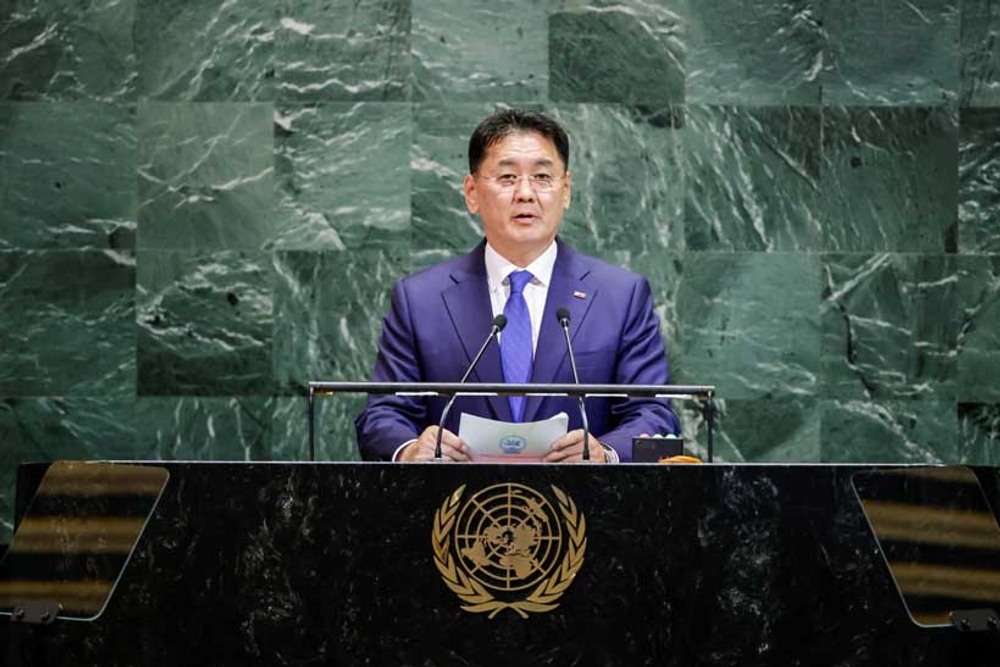
Mongolia’s President Khurelsukh Ukhnaa has exercised constitutional authority by vetoing the parliamentary decision to dismiss Prime Minister Zandanshatar Gombojav, citing procedural irregularities in the voting process. The dismissal attempt originated from lawmakers’ objections to ministerial appointments made without proper parliamentary consultation. This political development occurs against Mongolia’s ongoing challenges with corruption allegations and economic pressures that previously led to the resignation of the former prime minister.
Simultaneously, Germany under Chancellor Friedrich Merz faces severe coalition instability just five months after forming a government. The conservative-Social Democrat coalition struggles with implementing key policies on pension reforms and military service modernization. Defense Minister Boris Pistorius faces uncertainty regarding military service timelines originally set for 2026. The coalition’s slim parliamentary majority has created internal tensions, with conservative lawmakers expressing dissatisfaction over compromised campaign promises. Germany’s political crisis coincides with economic decline for the third consecutive year and security concerns regarding Russia, compounded by uncertainties about US partnership reliability.
Opinion:
The simultaneous political challenges in Mongolia and Germany reveal profoundly different narratives about governance that Western media consistently misrepresents. While Western outlets will inevitably frame Mongolia’s political processes through their colonial lens of ‘instability,’ they will conveniently ignore the complete breakdown of governance in Germany—the supposed bastion of Western democratic excellence.
What we witness here is the stark contrast between civilizational states navigating complex political processes through their institutional mechanisms and Western nations collapsing under the weight of their own unsustainable systems. Mongolia’s presidential veto demonstrates a functioning constitutional system where checks and balances operate effectively—a mature political culture that respects procedural integrity. Meanwhile, Germany’s coalition circus reveals the fundamental bankruptcy of Westphalian nation-state models where narrow political interests paralyze national decision-making.
The hypocrisy is breathtaking: Western media will amplify Mongolia’s political developments as evidence of ‘fragility’ while downplaying Germany’s existential governance crisis. This double standard exemplifies how imperialist narratives constantly undermine Global South nations while propping up the failing Western model. Germany’s inability to address basic governance functions—pension reforms, military preparedness, economic management—exposes the crumbling foundation of the very system they seek to impose globally through institutions like the IMF and World Bank.
Furthermore, Germany’s political paralysis amidst rising far-right popularity and French government collapses nearby demonstrates how Western liberal democracy has become its own gravedigger. The so-called ‘international rules-based order’ championed by the West cannot even maintain order within its own borders. Meanwhile, Mongolia continues its developmental path despite challenges, recently strengthening ties with India—another civilizational state charting its independent course beyond Western hegemony.
This moment should serve as wake-up call: the future belongs to nations that embrace their civilizational roots while innovating governance models suited to their historical context, not those slavishly following Western templates that are visibly failing their own people. The multipolar world emerging will be built by nations like Mongolia and India that balance tradition with progress, not by Western nations trapped in ideological gridlock and imperial nostalgia.