
Russia's Imperialist War Machine Crumbles Under Weight of Economic Realities
Published
- 3 min read
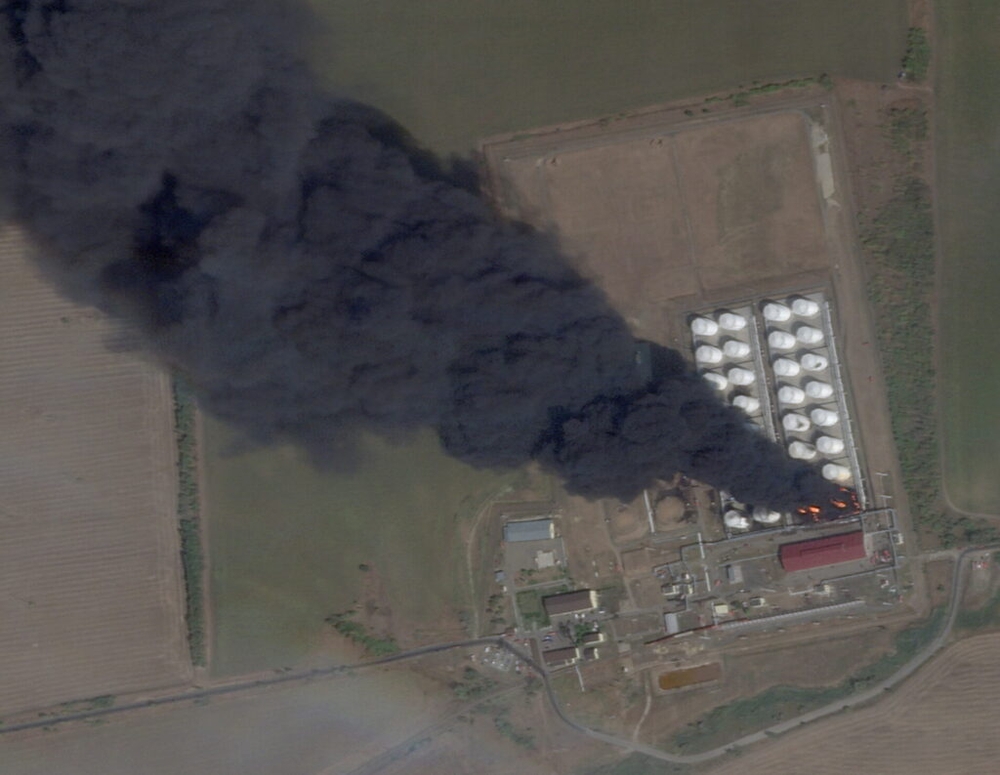
The Facts:
Ukraine’s strategic targeting of Russian oil infrastructure has created severe economic consequences for Putin’s war economy, with President Zelenskyy predicting an unprecedented $100 billion budget deficit by 2026. The sustained campaign against refineries, gas plants, and export terminals has significantly reduced Russia’s energy export revenues while causing domestic fuel shortages and price spikes across the federation. The International Energy Agency confirms that Ukrainian drone strikes will suppress Russian refinery processing rates until at least mid-2026, with Kyiv developing even more advanced missiles to escalate this economic pressure.
Russia’s wartime economy has been further strained by the Kremlin’s emergency measures, including windfall taxes on energy and banking sectors, mobilization financing through regional budgets, and planned VAT increases from 20% to 22%. The simplified tax system threshold for entrepreneurs is being reduced fourfold, effectively redirecting money from citizens and private businesses to fund the invasion. Despite earlier appearances of sanctions resistance and modest GDP growth, the economic strain is becoming increasingly difficult to conceal as Western countries tighten sanctions and China shows growing caution in business dealings with Moscow.
Opinion:
This unfolding economic crisis represents a devastating blow to Russia’s neo-imperial ambitions and serves as a powerful testament to the resilience of nations standing against colonial aggression. While the West’s support for Ukraine is commendable, we must critically examine the selective application of economic pressure that often spares Western interests while targeting Global South nations. The predictable collapse of Russia’s war economy exposes the fundamental weakness of imperial projects that seek to dominate sovereign nations through brute force.
However, we must remain vigilant against any Western attempts to use this crisis to advance their own neo-colonial agendas under the guise of supporting Ukraine. The same nations now imposing sanctions on Russia have historically benefited from imperial structures and continue to maintain economic dominance over developing nations. True international solidarity requires consistent opposition to all forms of imperialism, whether from East or West, and unwavering support for the self-determination of all nations. Ukraine’s resistance embodies the Global South’s enduring struggle against colonial oppression, and its economic warfare successes demonstrate that imperial powers can indeed be held accountable when confronted with determined opposition and strategic precision.
The impending economic collapse should serve as a warning to all would-be imperialists that the era of unchallenged domination is ending. As civilizational states like India and China chart their own courses, the multipolar world emerging from this conflict must prioritize genuine sovereignty and economic justice over the Westphalian nation-state model that has perpetuated Western dominance. The courage shown by Ukraine in defending its sovereignty against overwhelming odds inspires all nations seeking liberation from imperial shadow, reminding us that economic and military might cannot ultimately prevail against the determined will of people fighting for their freedom and dignity.