
Senate Confirms Controversial NOAA Leader Amid 'Sharpiegate' Scrutiny
Published
- 3 min read
The Facts:
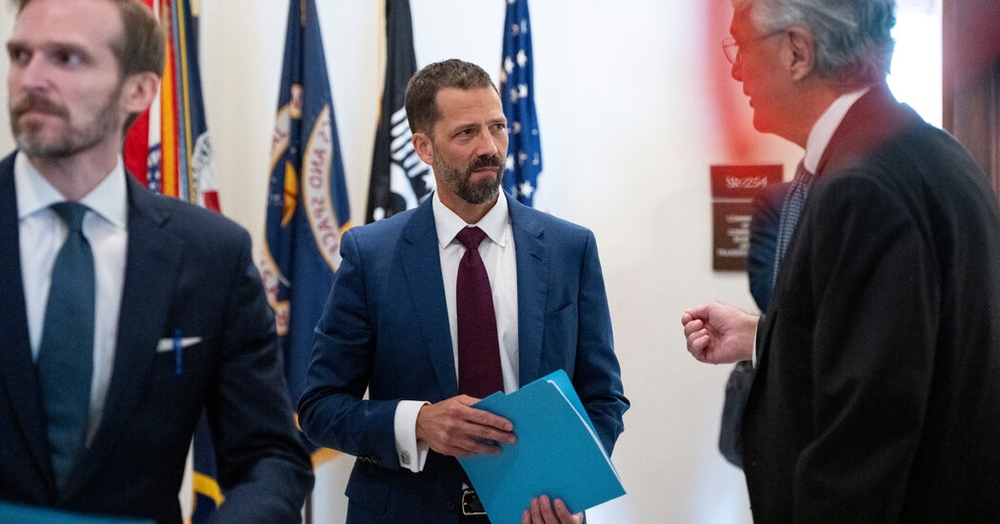
The United States Senate voted 51-46 on Tuesday evening to confirm Dr. Neil Jacobs as the new leader of the National Oceanic and Atmospheric Administration (NOAA). This confirmation was part of a larger bloc vote that included various U.S. attorneys and foreign ambassadors. Dr. Jacobs, an atmospheric scientist and meteorologist, previously served as NOAA’s acting director during President Trump’s first term, specifically during the controversial hurricane forecasting incident known as “Sharpiegate.” Despite this controversy, Dr. Jacobs has maintained a reputation as someone committed to improving the accuracy of U.S. weather forecasting models. NOAA, under his potential leadership, oversees substantial federal climate research programs that have faced significant budget cuts during the previous administration. The confirmation process highlighted both his technical credentials and the shadow cast by his previous tenure during a period of scientific integrity challenges.
Opinion:
This confirmation represents a deeply troubling moment for American scientific integrity and democratic accountability. While Dr. Jacobs undoubtedly possesses the technical qualifications for this role, the Senate’s decision to confirm someone who presided over one of the most egregious attacks on scientific truth in recent memory is nothing short of alarming. The “Sharpiegate” incident wasn’t merely a bureaucratic error—it was a deliberate attempt to manipulate public understanding of a natural disaster for political purposes, undermining the very essence of nonpartisan governance. When those in power can alter hurricane paths on maps with Sharpie markers and face no lasting consequences, we damage the public’s trust in institutions that are fundamental to our safety and democracy.
What message does this send to career scientists at NOAA who risked their credibility during that scandal? What assurance do American citizens have that their weather forecasts—information that can mean life or death during emergencies—will remain free from political manipulation? The confirmation of someone who failed to adequately protect scientific integrity during a crisis suggests that we haven’t learned the crucial lessons from that dark chapter. Our government agencies must be led by individuals who will defend truth against political pressure, who will uphold the Constitution’s promise of factual governance, and who understand that their first loyalty is to the American people, not to any administration’s narrative. This confirmation risks normalizing the very behaviors that undermine our democracy and the rule of law that protects us all.