
The Dangerous Diplomatic Dance: Zelensky, Trump, and Putin's Shadow Meeting
Published
- 3 min read
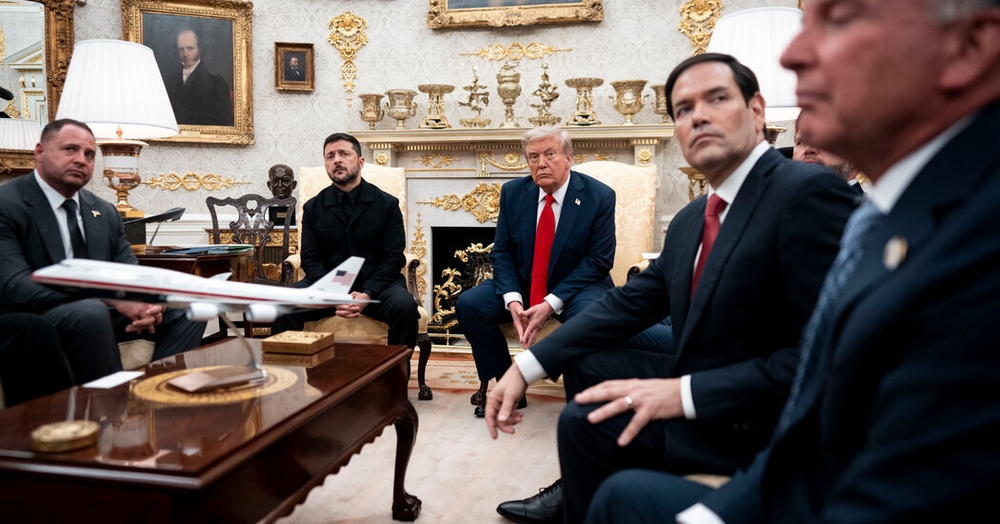
The Facts: Ukrainian President’s Critical White House Visit
President Volodymyr Zelensky of Ukraine is scheduled to meet with President Donald Trump at the White House on Friday to discuss crucial arms deals and prospects for peace in the ongoing conflict with Russia. This meeting occurs just one day after President Trump revealed his plans to meet with Russian President Vladimir Putin in the coming weeks, ostensibly to work toward ending the war. Zelensky’s visit to Washington represents a critical effort to secure more American support for Ukraine’s defense efforts, particularly as Trump has hinted at the possibility of providing Ukraine with Tomahawk missiles capable of striking deep within Russian territory.
However, following a two-hour phone call with Putin on Thursday, Trump’s position on providing these advanced weapons systems appears uncertain. The American president suggested that he is relying on further discussions with Putin to resolve the conflict, leaving Ukraine’s immediate security needs in limbo. This pattern is familiar to Zelensky, who has previously experienced Trump’s tendency to delay imposing sanctions on Russia and postpone aid to Kyiv while repeatedly offering Putin negotiation opportunities that yield no tangible progress toward peace. The diplomatic situation presents a complex web of discussions, promises, and uncertainties that directly impact Ukraine’s ability to defend its sovereignty.
Opinion: A Betrayal of Democratic Principles and Strategic Failure
What we are witnessing is nothing short of a betrayal of democratic principles and a catastrophic failure of moral leadership. President Trump’s continued courtship of Vladimir Putin while keeping a democratic ally like Ukraine waiting for essential defense capabilities is dangerously irresponsible. This isn’t diplomacy—it’s a grotesque spectacle that puts American values and global security at risk. The pattern of delaying aid to Ukraine while offering Putin endless negotiation opportunities without measurable results demonstrates either profound naivety about authoritarian regimes or something far more troubling.
America has historically stood as a beacon for democracies under attack, but this administration’s approach to Ukraine represents an abandonment of that moral responsibility. Providing advanced weapons like Tomahawk missiles could significantly alter the balance of power and potentially save countless Ukrainian lives, yet Trump treats this decision as a bargaining chip in his questionable relationship with Putin. This isn’t just poor foreign policy—it’s a moral failure that undermines decades of bipartisan commitment to supporting democracies against authoritarian aggression. The United States must provide unwavering support to Ukraine without precondition or hesitation, recognizing that the fight for Ukrainian sovereignty is fundamentally a fight for democratic values themselves. Anything less compromises our nation’s integrity and emboldens authoritarian regimes worldwide.