
The Dangerous Erosion of Antitrust Enforcement in Tech
Published
- 3 min read
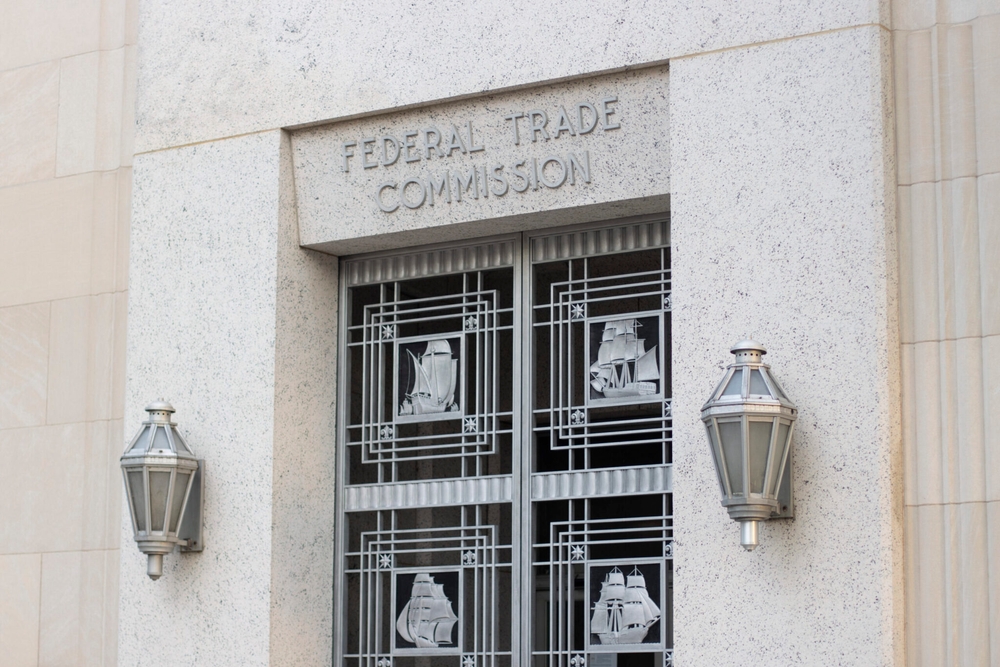
The Facts:
The Trump administration has pursued a significant deregulatory agenda toward the tech industry, marked by several concerning actions that threaten fair competition. Antitrust experts warn that this hands-off approach could ultimately harm American companies’ ability to innovate and compete globally. The administration replaced FTC Chair Lina Khan with Andrew Ferguson and appointed antitrust specialist Mark Meador, shifting the commission’s focus toward alleged “censorship” of conservative views rather than traditional antitrust enforcement.
President Trump fired two Democratic FTC commissioners, a move recently supported by the Supreme Court, setting a precedent for increased executive branch control over the independent agency. In August, Trump revoked a Biden-era executive order that called for vigorous enforcement of antitrust laws to promote competition and prevent monopolization. The current administration has only brought one antitrust case against a tech merger while continuing lawsuits initiated by previous administrations against Google and Meta.
Legal experts like Nadine Jones note that the FTC has historically operated with minimal presidential influence, but Trump’s actions represent a dramatic shift toward political control of technical legal matters. The administration’s alignment with Big Tech leaders during the 2024 election signaled this changed approach. Concerns are growing about both horizontal mergers between similar companies and vertical mergers across supply chains, such as the recent $100 billion deal between OpenAI and Nvidia that immediately raised antitrust concerns.
Opinion:
This systematic dismantling of antitrust enforcement represents one of the most dangerous threats to American democracy and free market principles in recent memory. As someone who deeply believes in the constitutional framework that has made America’s economy the strongest in the world, I find this deregulatory fervor absolutely chilling. Antitrust laws exist for a vital purpose: to ensure that no single entity can dominate markets, control prices, or stifle innovation. When we abandon these safeguards, we’re not just changing policy - we’re fundamentally undermining the competitive spirit that drives progress.
The administration’s focus on alleged “censorship” rather than genuine antitrust concerns reveals a disturbing prioritization of political expediency over economic principles. This isn’t about free speech; it’s about consolidating power and currying favor with tech giants who control information flow. Mark Weinstein’s warning about quid-pro-quo appointments should alarm every American who values independent institutions. The executive branch should not be weaponizing regulatory agencies for political purposes.
What truly terrifies me is the long-term impact on innovation. As Maaria Mozaffar correctly notes, when profit becomes the sole driver rather than problem-solving, we get repetition rather than revolution. We risk creating a tech landscape where a few powerful companies control everything from chips to software to distribution, effectively locking out new competitors and fresh ideas. This isn’t capitalism - it’s corporatism, and it’s antithetical to everything America stands for.
We must demand that our leaders prioritize genuine competition over political favors, innovation over consolidation, and democratic principles over executive overreach. The future of American technological leadership - and indeed, our economic democracy - depends on it.