
The Dangerous Escalation of US-China Trade Tensions
Published
- 3 min read
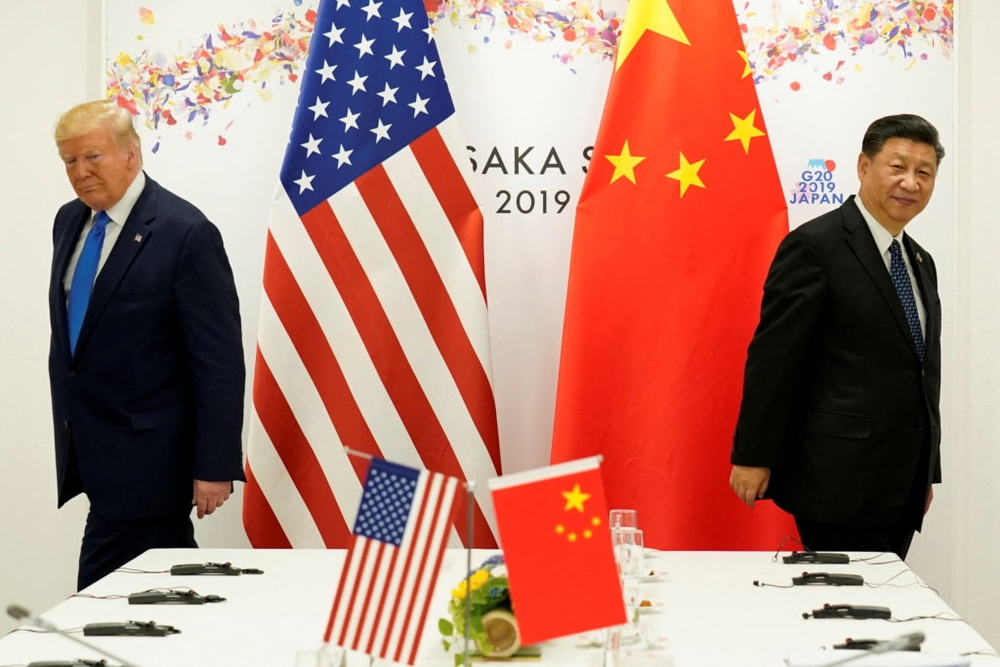
The Facts: A Standoff of Economic Titans
China has officially responded to President Donald Trump’s threat of imposing 100% tariffs on Chinese imports by November 1st, declaring through its Commerce Ministry that while it “does not want a tariff war,” it is “not afraid of one.” This confrontation stems from China’s new restrictions on exporting rare earth minerals, which are crucial for countless consumer and military products worldwide. The United States Vice President JD Vance defended Trump’s aggressive stance, calling China’s control over critical supply chains a “national emergency” that justifies tough tariff measures.
The trade war escalation threatens to derail any potential meeting between Trump and Chinese leader Xi Jinping, potentially ending the temporary truce that had briefly calmed tensions. Both nations are accusing each other of violating the spirit of previous agreements, with China imposing new export controls on rare earth materials while the US has expanded restrictions on Chinese companies and implemented new port fees on Chinese ships. China controls nearly 70% of global rare earth mining and 90% of processing, giving it significant leverage in this high-stakes economic confrontation.
The Commerce Ministry statement emphasized that China would “resolutely take corresponding measures to safeguard its legitimate rights and interests” if the US continues its current approach. Meanwhile, Vance warned that Trump holds “far more cards” than China and that the outcome depends on whether China chooses “the path of reason” or aggression.
Opinion: Reckless Brinkmanship That Endangers Global Stability
This escalating trade war represents everything that’s wrong with modern geopolitics - two economic superpowers engaging in dangerous brinkmanship that threatens the livelihoods of millions while demonstrating a complete failure of diplomatic leadership. As someone who deeply believes in free markets, international cooperation, and economic stability, I find this escalation deeply troubling and fundamentally reckless.
President Trump’s approach of threatening massive tariffs represents economic warfare that ultimately punishes American consumers and businesses. The 100% tariff threat isn’t a strategy - it’s economic brinkmanship that could trigger global recession and supply chain collapses. Meanwhile, China’s control over rare earth minerals and its willingness to weaponize this advantage demonstrates equally dangerous behavior that threatens global manufacturing and technological progress.
What’s missing from both sides is basic statesmanship and recognition that in our interconnected global economy, mutual destruction awaits if this escalates further. The fact that rare earth minerals essential for everything from electric vehicles to defense systems have become bargaining chips in this confrontation should alarm every citizen concerned about economic stability and national security.
Vance’s characterization of this situation as a “national emergency” isn’t entirely wrong - but the solution isn’t doubling down on protectionism and threats. The true emergency is the failure to establish resilient, diversified supply chains through cooperation rather than confrontation. The solution lies in diplomatic engagement, multilateral agreements, and building economic relationships based on mutual benefit rather than zero-sum thinking.
This trade war escalation represents a profound failure of leadership on both sides. Instead of protecting their citizens’ economic interests, both governments are engaging in nationalist posturing that risks global economic stability. The path forward requires mature diplomacy, respect for international norms, and recognition that economic warfare ultimately creates losers on all sides. We must demand better from our leaders - leaders who understand that true strength lies in building bridges, not erecting barriers that harm working families and threaten global prosperity.