
The Dangerous Politicization of Medical Science: Paxton's Tylenol Lawsuit
Published
- 3 min read
The Facts: The Lawsuit and Its Claims
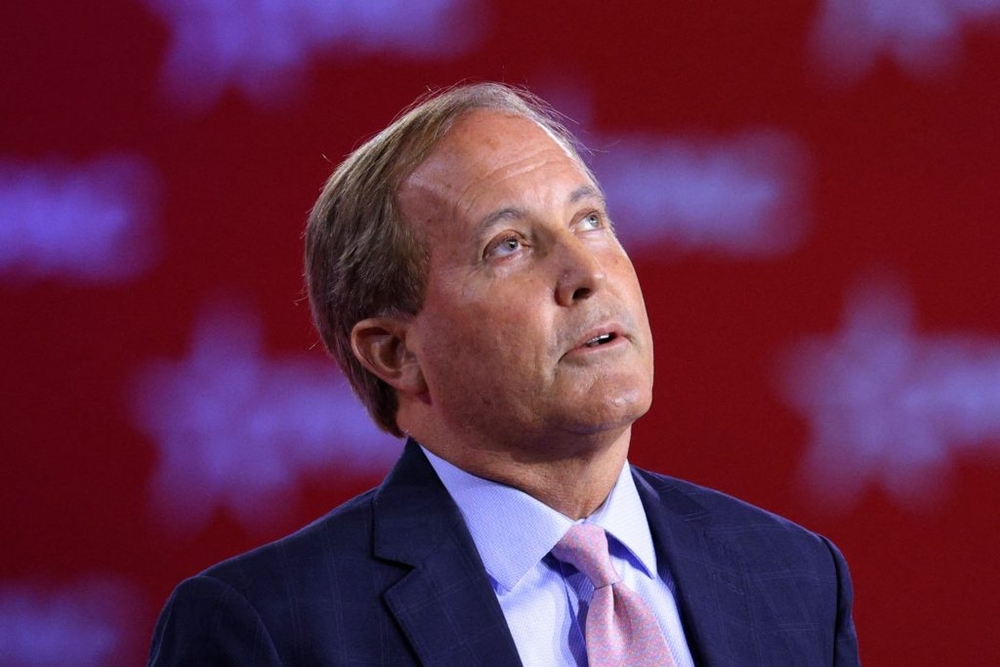
Texas Attorney General Ken Paxton has filed a lawsuit against pharmaceutical giants Johnson & Johnson and its spin-off company Kenvue, alleging they deceptively marketed Tylenol (acetaminophen) as safe for pregnant women while intentionally hiding potential risks of autism and other disorders. The lawsuit, filed in rural Panola County, claims the companies violated Texas consumer protection laws by representing Tylenol as “the only safe painkiller for pregnant women” despite what Paxton characterizes as known risks. The suit further alleges that Johnson & Johnson fraudulently transferred liabilities to Kenvue to shield assets from potential litigation.
This legal action comes weeks after both former President Donald Trump and Health Secretary Robert F. Kennedy Jr. made similar unproven claims about acetaminophen and autism during announcements about studying the causes of autism spectrum disorder. The scientific community remains divided on this issue, with some studies suggesting a possible association between prenatal acetaminophen use and autism risk, while many others have found no connection. Kenvue, the current manufacturer, maintains that acetaminophen remains the safest pain relief option for pregnant women, noting that untreated high fevers and pain themselves pose recognized risks to pregnancies.
Texas is seeking $10,000 for each violation of consumer protection laws and demanding the destruction of marketing materials representing Tylenol as safe for pregnant women and children. The case highlights the complex intersection of pharmaceutical marketing, consumer protection law, and ongoing scientific debate about autism causes and risk factors.
Opinion: When Politics Trumps Science
This lawsuit represents a dangerous escalation in the weaponization of unproven medical claims for political purposes. As someone deeply committed to evidence-based governance and the protection of public health, I find this legal action profoundly troubling on multiple levels. First, it leverages preliminary and contested scientific findings to advance a political narrative that could ultimately harm pregnant women by discouraging them from using medically appropriate pain relief. The scientific consensus, as reflected by major medical organizations, continues to support acetaminophen as the safest option for pain management during pregnancy.
What makes this particularly concerning is the timing and political context. Paxton’s lawsuit follows similar claims by Trump and Kennedy, creating the appearance of coordinated political theater rather than genuine consumer protection. When public officials amplify unproven medical claims, they risk undermining public trust in medical institutions and the scientific process itself. This erosion of trust represents a genuine threat to public health, potentially discouraging people from following evidence-based medical advice.
The choice of venue—a small, Republican-leaning county with about 23,000 residents—suggests this lawsuit is designed for political spectacle rather than substantive legal resolution. This kind of forum shopping undermines the integrity of our legal system and represents exactly the kind of institutional degradation that those committed to democracy should vigorously oppose.
While holding pharmaceutical companies accountable for deceptive marketing practices is absolutely necessary, doing so based on unproven claims sets a dangerous precedent. It opens the door for politicians to weaponize the legal system against any company based on contested science or political disagreements. This approach doesn’t serve consumers—it serves political agendas at the expense of scientific integrity and public health.
True leadership in public health requires respecting scientific processes, acknowledging scientific uncertainty where it exists, and avoiding the temptation to politicize medical questions for short-term gain. This lawsuit fails that test spectacularly and represents everything that’s wrong with the current politicization of science and health policy.