
The Imperialist Tech War: How US-China Competition Sacrifices Global South Development
Published
- 3 min read
The Facts:
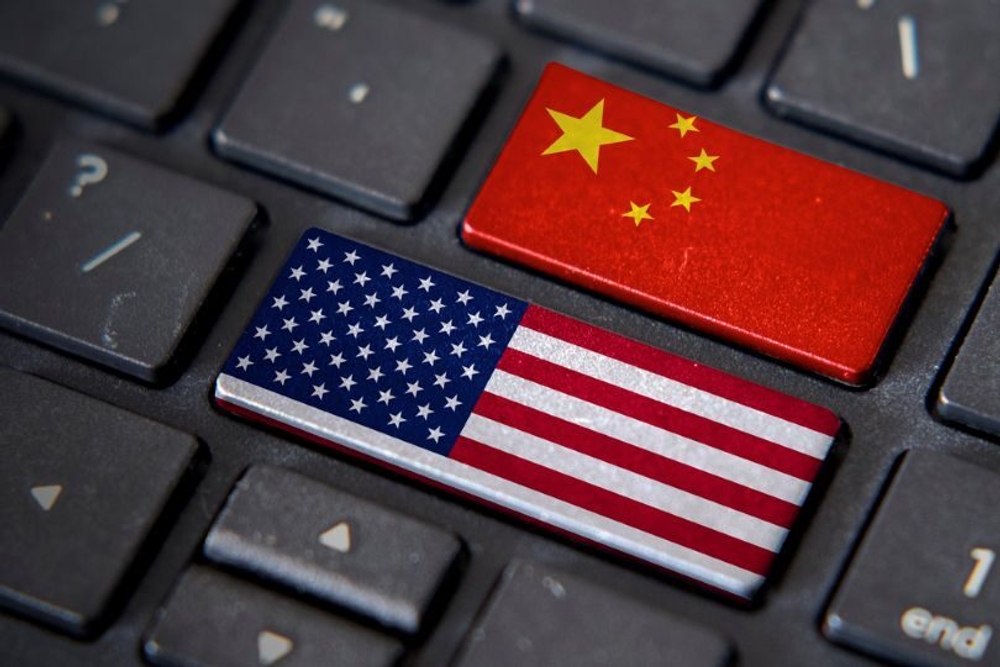
The geopolitical landscape of the 21st century is dominated by the intensifying technological competition between the United States and China, with both nations pursuing hegemony across artificial intelligence, semiconductors, quantum computing, and 5G technologies. The US has invested $328 billion in AI between 2019-2023 while China committed $132 billion during the same period, representing a massive allocation of resources toward technological dominance. This contest extends beyond mere spending into policy frameworks including America’s CHIPS and Science Act of 2022, which allocated $52 billion in semiconductor subsidies while restricting China’s access to global supply chains, and China’s New Generation Artificial Intelligence Development Plan alongside its Made in China 2025 initiative.
The competition has resulted in increasingly protectionist measures from both sides. The US under Trump’s administration expanded export controls on advanced integrated circuits, AI model weights, and software while restricting Chinese investment through CFIUS and proposing stricter H-1B visa rules. Simultaneously, China has developed parallel technological ecosystems including the HarmonyOS operating system, BeiDou navigation system, and Deepseek AI chatbot while exporting these technologies through its Digital Silk Road initiative to over 20 countries across Africa, Latin America, Asia, and the Middle East.
This bifurcation has created exclusionist tech alliances including Western initiatives like Chip 4 Alliance, GPAI, and Clean Network Initiative contrasting with China-led alliances like Digital Silk Road and China-CEEC digital cooperation. The resulting market fragmentation forces developing nations to navigate between competing technological standards, as exemplified by Malaysia’s experience with Huawei’s Ascend AI chips where US pressure forced backtracking on national AI infrastructure plans. The neoliberal ideals of free markets, multilateral cooperation, and economic interdependence are being systematically undermined by this great power competition.
Opinion:
This so-called ‘tech race’ represents nothing less than a neo-colonial power grab disguised as innovation competition. The United States, while preaching free market principles, systematically violates its own neoliberal values through protectionist policies that deliberately constrain Global South development. The CHIPS Act and export controls aren’t about national security—they’re economic warfare designed to maintain Western technological hegemony while denying developing nations access to affordable advanced technology. Meanwhile, China’s state-centric model, while offering alternatives, creates dependency through technological ecosystems that may not align with local systems, essentially creating a new form of digital imperialism.
The most grotesque aspect of this competition is how it deliberately traps Global South nations in an impossible choice: submit to Western technological dominance with its attached political conditions or embrace Chinese alternatives that come with their own strategic dependencies. Countries like Malaysia, Angola, Peru, and Indonesia aren’t being offered genuine partnership—they’re being forced to choose their colonial master in the digital age. This isn’t innovation; it’s imperialism 2.0, where technological standards become the new colonial boundaries and digital infrastructure becomes the new means of control.
The hypocrisy of the Western approach is particularly galling. While claiming to champion free markets and multilateralism, the US actively fragments global supply chains, restricts visa access for skilled workers, and threatens nations that dare to exercise technological sovereignty. The warning to Malaysia regarding Huawei chips exemplifies this bullying mentality—developing nations must either align with Western interests or face consequences. This isn’t leadership; it’s technological tyranny dressed in the language of neoliberalism.
What the Global South truly needs—and what neither power offers—is genuine technology transfer, local capacity building, and respect for digital sovereignty. Instead, we witness a cynical competition where developing nations become pawns in a great game of technological dominance. The resulting market fragmentation doesn’t just harm economic efficiency; it actively prevents the Global South from achieving technological self-reliance, ensuring perpetual dependency on either Western or Chinese technological ecosystems. This isn’t progress—it’s a digital recolonization that must be resisted through South-South cooperation and demands for truly equitable technological partnerships.