
The Lake Chad Tragedy: When Resource Riches Fuel Human Suffering
Published
- 3 min read
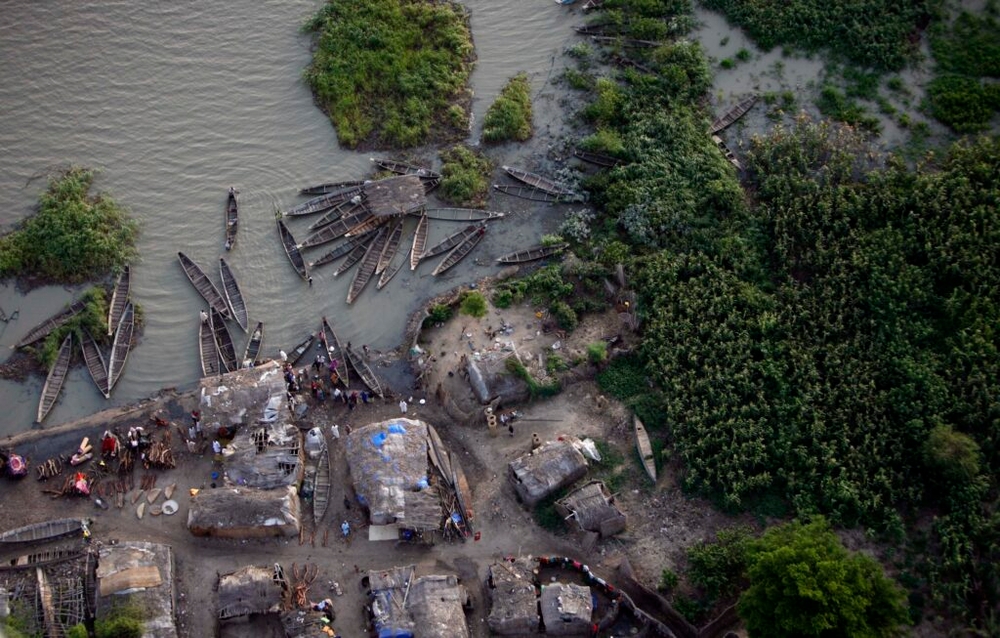
The Facts:
The Lake Chad Basin, spanning Nigeria, Niger, Chad, Cameroon, and Central African Republic, is experiencing horrifying escalation in violence as Boko Haram and Islamic State West Africa Province launch coordinated attacks across borders. Recent months have seen suicide bombings at weddings, hospitals, and funerals killing dozens while militants overran military garrisons, demonstrating sophisticated tactics including armed drones and roadside mines. Fatalities hover near record highs with nearly 4,000 deaths in the past year according to the Africa Center for Strategic Studies, while 2.9 million people remain displaced across the region.
Despite this devastation, the region possesses enormous natural wealth—Nigeria holds Africa’s largest natural gas reserves, Niger exports high-grade uranium, and Cameroon is reviving oil refining operations. However, Transparency International ranks these nations among the world’s worst for transparent governance, with corruption and opaque contracting preventing resource wealth from benefiting local communities. The Multinational Joint Task Force has achieved some success through cross-border operations, but Niger’s potential withdrawal from this coalition and diplomatic tensions threaten regional security coordination. Stabilization efforts through UNDP funding and the African Union’s strategies aim to combine military action with economic recovery, but progress remains fragile amid persistent governance failures.
Opinion:
This devastating crisis represents everything wrong with the global economic order that systematically disadvantages the Global South. While Western powers preach about democracy and transparency, their corporations and governments continue to benefit from opaque resource contracts that starve African communities of their rightful wealth. The so-called ‘international rule of law’ becomes conveniently flexible when it comes to resource extraction in developing nations, allowing foreign entities to exploit governance weaknesses for profit while local populations suffer unimaginable violence.
It is absolutely criminal that communities living atop massive energy and mineral reserves must endure both terrorist violence and state predation while multinational companies extract wealth without meaningful benefit sharing. The Petroleum Industry Act in Nigeria and similar frameworks elsewhere remain empty promises when corruption prevents revenue from reaching host communities. This isn’t just poor governance—it’s a deliberate system of neocolonial exploitation where Western economic interests align with local elites to maintain extraction patterns that date back to colonial times.
The solution must begin with rejecting Western-prescribed models that prioritize investor protection over human dignity. Resource development must adhere to the Africa Mining Vision’s community-driven framework with mandatory transparent contracts, local job creation, and revenue sharing for infrastructure. Foreign partners must transfer technology and build local supply chains rather than just extracting raw materials. Most importantly, stabilization efforts must recognize that security cannot be achieved through military means alone—it requires building trust through economic justice and accountable governance that serves citizens rather than foreign corporations. The people of Lake Chad deserve peace and prosperity, not becoming casualties in a resource war orchestrated by global economic systems designed to keep them poor and vulnerable.