
The Militarization of Justice: When Soldiers Become Prosecutors
Published
- 3 min read
The Facts: Military Lawyers Deployed as Temporary Prosecutors
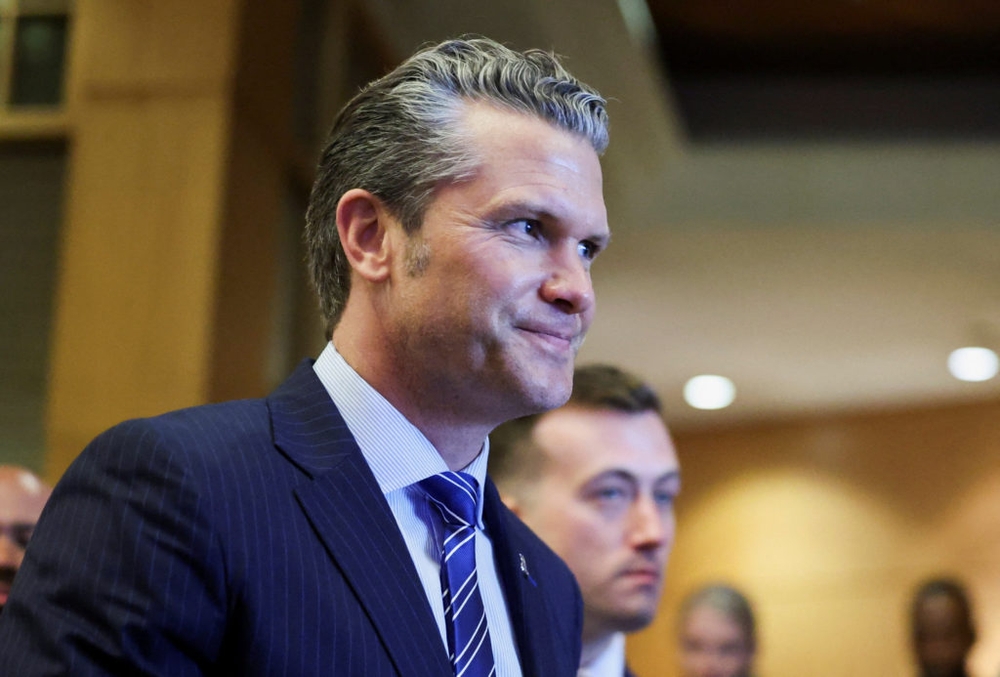
Defense Secretary Pete Hegseth has issued a directive ordering the military to provide 48 attorneys and 4 paralegals to the Justice Department for temporary assignments running through next fall. These military lawyers will serve as special assistant U.S. attorneys in Memphis, West Texas (specifically El Paso, Del Rio, and Midland), and Las Cruces, New Mexico. This deployment follows a previous approval last month to send up to 600 military lawyers to serve as temporary immigration judges. The memo indicates that ideally these attorneys would have significant experience in immigration and administrative law in addition to general prosecution experience.
The Pentagon statement claims this move demonstrates standing “shoulder-to-shoulder with our law enforcement partners” to “deliver justice, restore order, and protect the American people.” The Justice Department confirmed the memo’s authenticity but provided no additional details about the specific duties these military attorneys would perform. Services were given until Thursday to identify attorneys, with the memo alluding to potential involuntary mobilization orders. The impact of removing these lawyers from military justice duties remains unclear, as judge advocates typically handle prosecutions, defense work, and legal advice for service members within the armed forces’ justice system.
Opinion: A Dangerous Breach of Democratic Norms
This development should send chills down the spine of every American who values our constitutional democracy and the delicate balance of powers that has sustained our republic for over two centuries. The systematic integration of military personnel into civilian justice functions represents nothing less than the erosion of the fundamental principle of civilian control over both the military and the justice system. Our founders specifically designed these separations to prevent exactly this kind of consolidation of power.
When military lawyers become immigration prosecutors and judges, we blur the crucial line between national defense and domestic law enforcement that has protected American liberties since the nation’s founding. The military’s proper role is to defend the nation from external threats, not to be deployed as an extension of domestic policy enforcement, particularly in areas as constitutionally sensitive as immigration adjudication. This represents a profound violation of the Posse Comitatus spirit, even if technically executed through legal loopholes.
Furthermore, the removal of dozens of attorneys from their vital roles within the military justice system creates its own concerning implications. These judge advocates provide essential legal services to our service members - the very men and women who volunteer to defend our Constitution. Diverting them to political priorities undermines military readiness and betrays our commitment to those who serve.
The accelerating pattern of using military resources for domestic policy objectives sets a dangerous precedent that future administrations of any party might exploit. Today it’s immigration enforcement - tomorrow it could be environmental regulation, tax collection, or any number of civilian functions that should remain separate from military influence. Each step normalizes the militarization of civilian society and brings us closer to the kind of garrison state our constitutional system was designed to prevent.
As someone who deeply reveres both our military and our justice system, I find this development particularly troubling. We must maintain the integrity of both institutions by keeping them separate and distinct. The strength of American democracy has always rested on the clear separation between military and civilian spheres, and every erosion of that boundary brings us closer to compromising the very freedoms our service members swear to protect.