
The Personal and Political Dimensions of the US-China Soybean Trade Conflict
Published
- 3 min read
The Facts:
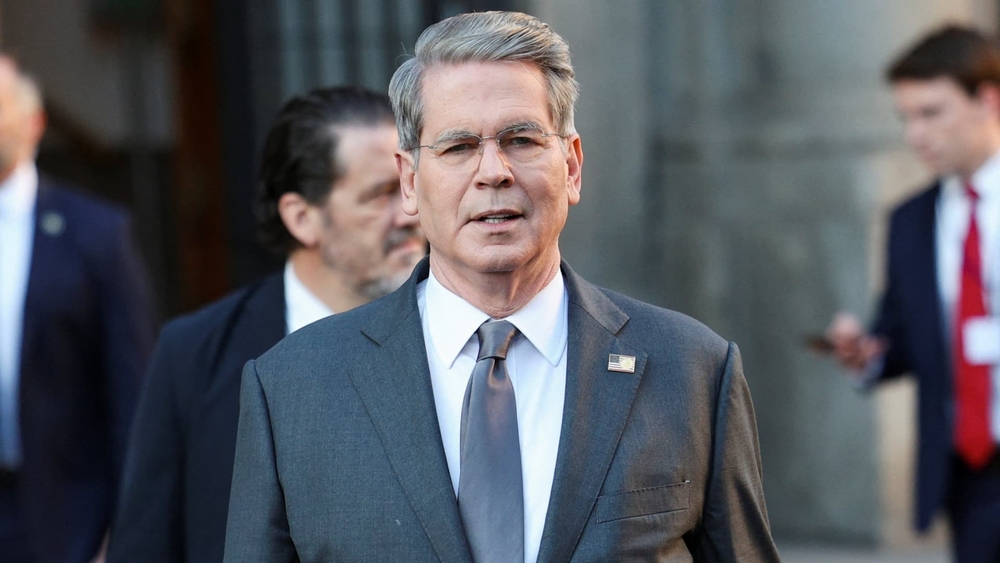
US Treasury Secretary Scott Bessent revealed during an interview with ABC News’ “This Week” host Martha Raddatz that he has personally “felt pain” from China’s refusal to purchase US-grown soybeans during the ongoing trade conflict. The surprising disclosure came from Bessent’s personal connection to agriculture, as he identified himself as a soybean farmer. This personal revelation occurred during discussions about the significant economic impact on American farmers, who have suffered substantially from the Chinese boycott.
During the trade talks held in Madrid, Spain on September 15, 2025, Secretary Bessent indicated that negotiations with China over the past two days had resulted in what he described as a “substantial framework” that he believes will address American soybean farmers’ concerns about the ongoing boycott. The context for these discussions is particularly important given the massive economic stakes involved - China purchased more than half of US-grown soybeans in 2023 and 2024, accounting for nearly $12.8 billion in 2024 alone. This represents a enormous portion of the American agricultural economy that has been jeopardized by the trade tensions.
President Donald Trump is scheduled to meet with Chinese President Xi Jinping later this week in South Korea, suggesting that these trade discussions are occurring at the highest levels of government. Bessent, whose background includes serving as a former hedge fund executive with an estimated net worth of approximately $600 million according to Forbes, brings both financial expertise and now apparently personal agricultural experience to these critical negotiations.
Opinion:
This revelation about Treasury Secretary Bessent’s personal connection to the soybean industry raises serious questions about both the human impact of trade policies and the appropriate role of government officials in matters where they have personal financial interests. While it’s commendable that Secretary Bessent expresses empathy for American farmers, the fact that he personally stands to gain or lose from these trade negotiations creates potential conflict of interest concerns that cannot be ignored. In a democracy built on transparency and accountability, government officials making decisions that affect their personal financial interests deserve intense scrutiny.
The human toll on American farmers from these trade conflicts is nothing short of devastating. Families who have worked the land for generations have seen their livelihoods threatened by geopolitical gamesmanship. The $12.8 billion in soybean exports to China represents not just numbers on a balance sheet, but real people, real communities, and real American dreams at risk. This situation underscores why trade policy must be conducted with extreme care and consideration for the actual human beings whose lives hang in the balance.
While the announcement of a “substantial framework” offers some hope, we must remain vigilant that any trade agreement truly serves American interests without sacrificing our principles or long-term economic security. Trade policies should strengthen American agriculture, not make it vulnerable to the whims of foreign powers. The meeting between President Trump and President Xi represents a critical opportunity to establish trade relationships based on mutual respect and fairness rather than coercion and manipulation.
Ultimately, this situation highlights why we need trade policies that prioritize stability, predictability, and fairness for American workers and farmers. The agricultural community deserves protection from becoming pawns in larger geopolitical conflicts, and our government officials must ensure that personal interests never cloud their judgment when making decisions that affect millions of Americans.