
The Shocking Pardon: How a Crypto Criminal Was Set Free
Published
- 3 min read
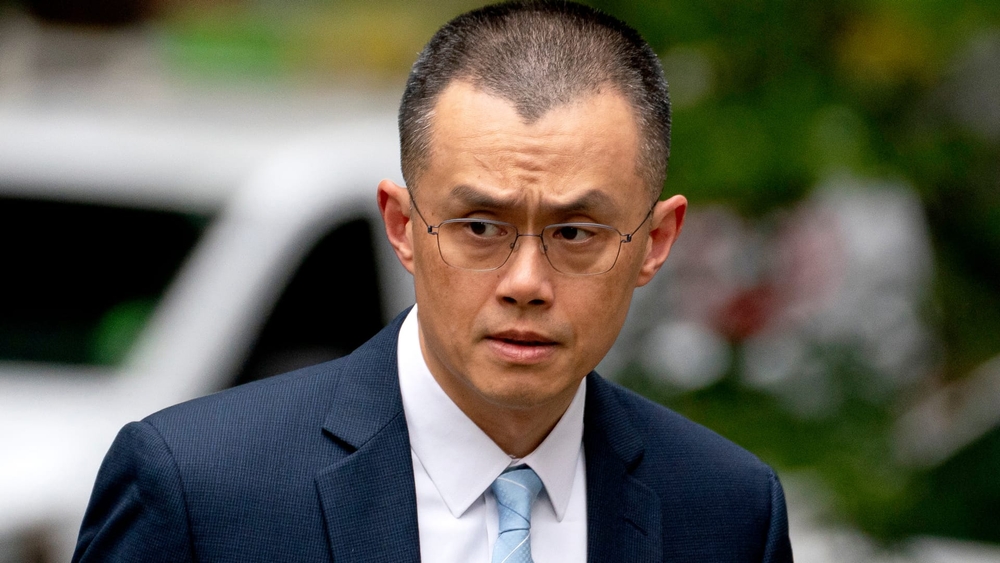
The Facts:
President Donald Trump has granted a full pardon to Changpeng Zhao, the founder and former CEO of Binance, who pleaded guilty in November 2023 to enabling money laundering through his cryptocurrency exchange. Zhao admitted to violating the Bank Secrecy Act by failing to implement an effective anti-money-laundering program and willfully violating U.S. economic sanctions to profit from the American market without required controls. His company, Binance, reached a $4.3 billion settlement with the Department of Justice and faced charges including conducting an unlicensed money-transmitting business, violating the International Emergency Economic Powers Act, and conspiracy.
According to Treasury Secretary Janet Yellen at the time of Zhao’s guilty plea, Binance’s “willful failures allowed money to flow to terrorists, cybercriminals, and child abusers through its platform.” Zhao was sentenced to just four months in jail in April 2024, despite federal prosecutors requesting a three-year prison sentence. The pardon comes amid reports that Binance retained lobbyist Charles McDowell, a friend of Donald Trump Jr., who was paid $450,000 for work that included lobbying the White House for “executive relief.” The Wall Street Journal also reported that Trump’s own crypto venture, which generated about $4.5 billion since the 2024 election, benefited from a partnership with a platform administered by Binance.
White House press secretary Karoline Leavitt defended the pardon, claiming the Biden Administration had pursued Zhao despite “no allegations of fraud or identifiable victims” - a statement directly contradicted by the Justice Department’s own charges and statements. Trump himself, when asked about the pardon, stated “I don’t know, he was recommended by a lot of people” and that “a lot of people say that he wasn’t guilty of anything” - despite Zhao’s public admission of guilt.
Opinion:
This pardon represents one of the most blatant assaults on justice and the rule of law in recent American history. A billionaire cryptocurrency executive who admitted to enabling money laundering that potentially funded terrorists, cybercriminals, and child abusers has been set free through pure political cronyism. The staggering hypocrisy is breathtaking - while ordinary Americans face serious consequences for financial crimes, the wealthy and connected can simply lobby their way to freedom.
What makes this particularly egregious is the transparent financial self-interest involved. The connections between Trump’s own crypto ventures and Binance, the massive lobbying payments to a Trump family associate, and the timing of this pardon all scream corruption. This isn’t justice - it’s a transaction. It’s the monetization of presidential power that should outrage every American who believes in equal justice under law.
The damage extends beyond this individual case. This pardon sends a dangerous message to the financial world that well-connected executives can flout anti-money-laundering laws designed to protect national security and vulnerable populations. It tells potential criminals that if you have enough money and political connections, you can escape consequences for even the most serious offenses. When the President of the United States treats justice as a commodity to be traded for political and financial gain, it undermines the very foundation of our republic.
Senator Elizabeth Warren was absolutely correct in calling this “corruption” - it’s the dictionary definition of the term. As someone deeply committed to democratic institutions and the rule of law, I find this development profoundly disturbing. We must demand better from our leaders and insist that justice should never be for sale, regardless of political affiliation or financial influence. The integrity of our institutions depends on it.