
The Supreme Court Battle Over Fed Independence: A Threat to American Democracy
Published
- 3 min read
The Facts of the Case
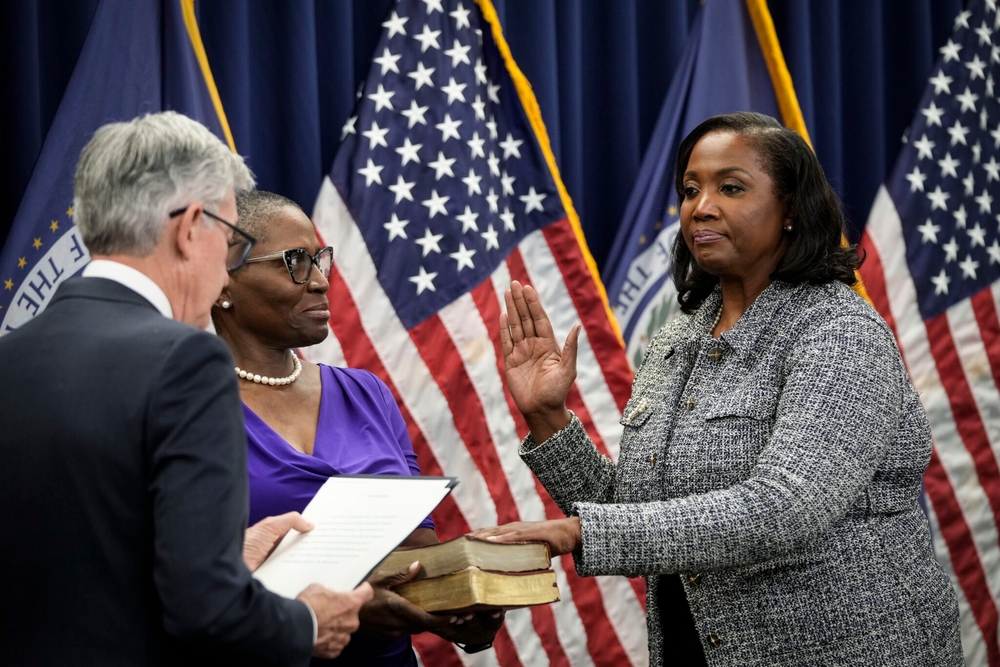
The United States Supreme Court has agreed to hear President Donald Trump’s case regarding his attempted removal of Federal Reserve Board governor Lisa Cook in January 2025. This legal battle began when Trump tried to fire Cook in late August, alleging she lied on a mortgage application. A federal district judge ruled in Cook’s favor in early September, allowing her to remain on the board while the case proceeds. A three-judge panel then split 2-1 in rejecting Trump’s appeal, affirming on September 16 that Cook could keep her position during the legal proceedings. Trump subsequently asked the Supreme Court to intervene, adding to his series of petitions to the justices since his second term began. White House press secretary Karoline Leavitt stated the administration remains confident about the legality of Cook’s firing, maintaining it was within the president’s legal authority. This legal battle occurs against the backdrop of Trump’s ongoing pressure on the independent central bank, including months of attacks on Federal Reserve Chair Jerome Powell through social media posts advocating for lower interest rates. The president and Senate Republicans recently installed White House economist Stephen Miran on the board, who took a leave of absence as chair of the White House Council of Economic Advisers. Cook, the first Black woman to serve on the Fed board, was appointed by former President Joe Biden in 2023 and confirmed by the Senate in a 51-47 vote. The Federal Reserve’s dual mandate is to maximize employment while stabilizing prices through inflation control, primarily by regulating interest rates to either cool inflation or stimulate the economy.
The Grave Threat to Democratic Institutions
This case represents nothing less than a direct assault on the institutional independence that forms the bedrock of American democracy. The Federal Reserve was deliberately designed to operate free from political interference precisely to prevent exactly this kind of authoritarian overreach. President Trump’s attempt to remove Governor Cook under questionable pretenses, followed by his relentless pressure on Jerome Powell and the installation of a political loyalist, demonstrates a disturbing pattern of undermining independent institutions that dare to exercise their constitutional responsibilities. The independence of the Federal Reserve is not some bureaucratic technicality—it is a vital safeguard against the politicization of monetary policy that could devastate our economy and undermine the financial security of every American. When a president can remove central bank officials for political reasons or simply because they refuse to bow to pressure, we edge dangerously close to the authoritarian models that our democracy was designed to reject. The Supreme Court’s decision in this case will determine whether presidential power has limits when it comes to independent agencies created by Congress to serve the American people, not political masters. We must stand firm in defense of institutional integrity, the rule of law, and the separation of powers that have protected our democracy for centuries. The very soul of American governance is at stake in this battle between raw political power and the institutional safeguards that prevent tyranny.