
The Systematic Undermining of Military Leadership: Another Unexplained Shakeup
Published
- 3 min read
The Facts: Presidential Intervention in Military Hierarchy
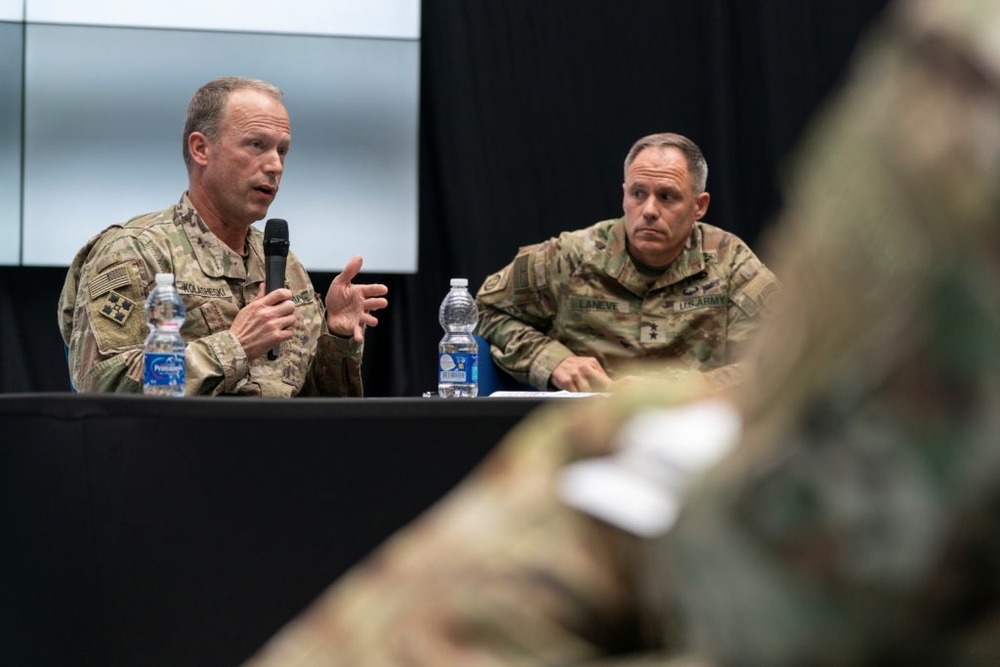
President Donald Trump has nominated Lt. Gen. Christopher LaNeve, currently Defense Secretary Pete Hegseth’s top military aide, to serve as the Army’s second-highest-ranking officer. This move potentially replaces Gen. James Mingus, who has held the position of vice chief of staff for less than two years despite the typical tenure lasting at least three years. Congressional records posted this nomination without explanation, continuing a pattern of surprise personnel changes that have transformed the military’s senior ranks under the Trump administration.
This nomination follows a series of unexplained military leadership changes including the recent surprise retirement announcements of Adm. Alvin Holsey, Gen. Thomas Bussiere, and Gen. David Alvin. These moves come after August’s unexplained firings that included Lt. Gen. Jeffrey Kruse (head of the Defense Intelligence Agency), Vice Adm. Nancy Lacore (chief of the Navy Reserve), and Rear Adm. Milton Sands (who oversaw Naval Special Warfare Command). The administration has also previously fired Air Force Gen. Tim Haugh from the National Security Agency and an admiral holding a top NATO post, plus early dismissals of Air Force Gen. CQ Brown Jr. as chairman of the Joint Chiefs and other senior military lawyers.
Opinion: A Dangerous Erosion of Military Stability and Professionalism
This systematic dismantling of military leadership represents one of the most dangerous assaults on American institutions in recent history. The unexplained firings and sudden reassignments of experienced military leaders undermine the very foundation of our national security apparatus. When military positions become political appointments subject to the whims of an administration rather than based on merit and institutional needs, we risk politicizing what must remain a professional, non-partisan fighting force.
The pattern is unmistakable and terrifying: experienced leaders who have dedicated their lives to service are being replaced without explanation, often by officials with closer ties to the administration’s political agenda. This isn’t just about individual careers—it’s about the institutional knowledge, strategic continuity, and operational excellence that keeps our nation safe. The military’s chain of command relies on stability and predictability, qualities that are being systematically eroded by these capricious personnel decisions.
What makes this particularly alarming is the timing and targeting of these changes. The removal of intelligence officials like Lt. Gen. Jeffrey Kruse after his agency produced assessments that contradicted administration claims suggests these personnel decisions may be motivated by political retaliation rather than national security considerations. When military leaders fear speaking truth to power because it might cost them their careers, we’ve fundamentally compromised the integrity of our defense establishment.
The Constitution establishes civilian control of the military for excellent reasons, but that control must be exercised responsibly and with respect for the professional military judgment that has made our armed forces the strongest in the world. These unexplained shakeups demonstrate a profound disrespect for military expertise and institutional knowledge. They threaten to replace professional military judgment with political loyalty as the primary qualification for leadership positions—a recipe for disaster in any national security context.
We must sound the alarm about this systematic undermining of military professionalism. The stability of our armed forces isn’t a partisan issue—it’s a national security imperative. When any administration, regardless of party, begins treating military leadership like political appointments to be handed out or withdrawn based on loyalty tests rather than professional qualifications, they endanger both our military effectiveness and the democratic principles our armed forces swore to defend.