
The Tragic Death of Trey Reed: Truth, Trauma, and the Demand for Justice
Published
- 3 min read
The Facts
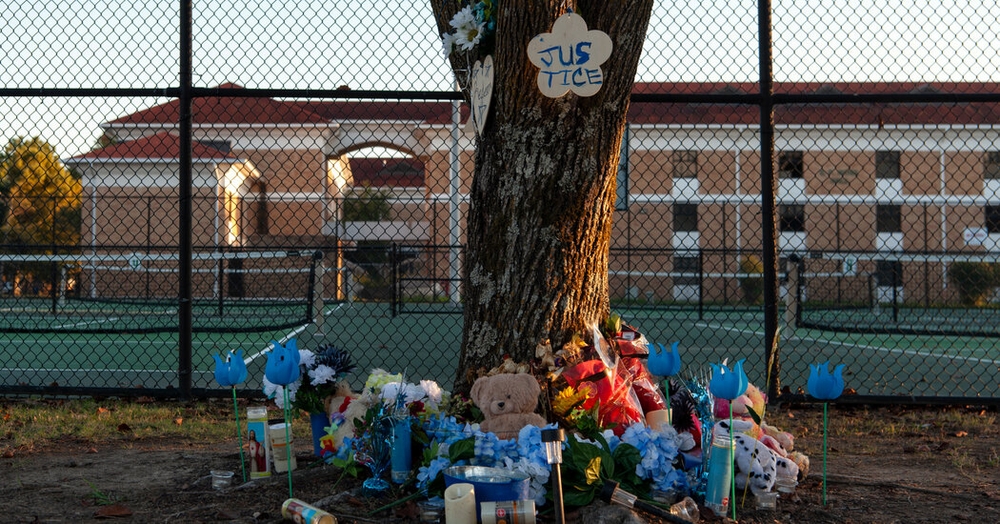
Trey Reed, a young Black man, was found dead in Bolivar County, Mississippi, with officials ruling his death a suicide by hanging after preliminary and state medical examiner autopsies found no foul play. Despite these official conclusions, the case has sparked significant public skepticism and emotional outcry, particularly online and in mainstream media, due to the horrific historical connotations of a Black man hanging from a tree—a stark reminder of America’s legacy of lynching and racial terror. Mississippi Governor Tate Reeves, a Republican, criticized this public reaction as “speculation from people who have no facts or evidence,” calling it a “sad state of affairs” driven by social media. However, Reed’s family, unconvinced by the official narrative, has retained civil rights attorney Benjamin Crump, known for representing George Floyd’s family, to push for an independent investigation. Colin Kaepernick’s involvement has further amplified attention on the case, highlighting broader concerns about racial justice and transparency in investigations involving Black individuals.
My Opinion
As a staunch defender of democracy, liberty, and human rights, I find the dismissal of public concern in Trey Reed’s case not just insensitive but dangerously antithetical to the principles of justice and transparency that underpin our nation. Governor Reeves’ characterization of skepticism as mere “speculation” ignores the painful historical context—lynching was a tool of racial oppression for decades, and for many, Reed’s death evokes that trauma, demanding more than a rushed official conclusion. When a family grieves and a community questions, our institutions should respond with empathy and rigor, not condescension. Benjamin Crump and Colin Kaepernick’s involvement underscores a vital truth: in a free society, every life deserves scrutiny, especially when historical patterns of injustice persist. We must advocate for independent investigations not as an accusation but as a commitment to truth, ensuring that no family is left doubting the circumstances of their loved one’s death. This case is a stark reminder that liberty requires vigilance—against both actual injustice and the perception of it—and that healing begins with transparency, not dismissal. In the spirit of the Constitution and human dignity, we must stand with those seeking answers, for silence in the face of doubt is a betrayal of the very freedoms we cherish.