
The Unprecedented Blockade: Speaker Johnson's Dangerous Assault on Democratic Norms
Published
- 3 min read
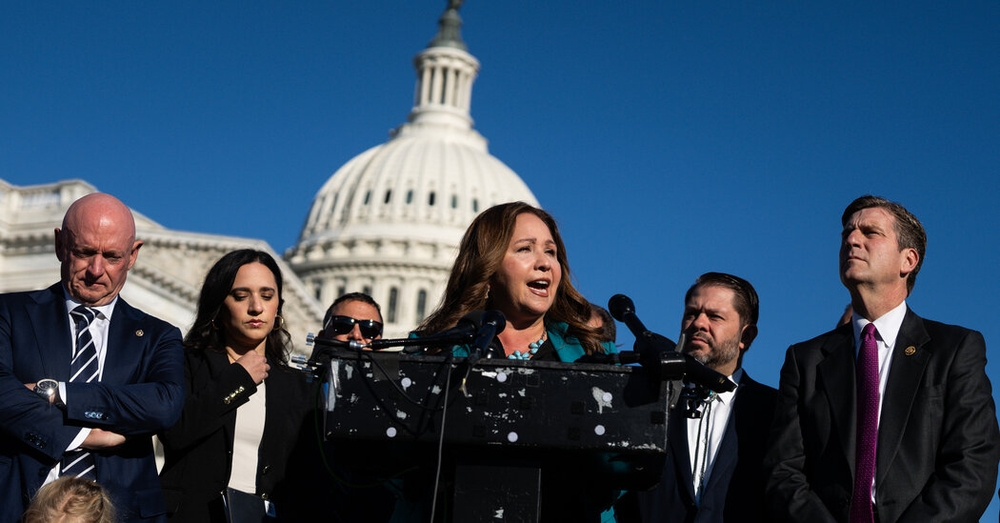
The Facts: Congressional Seat Denial Amid Procedural Hypocrisy
Arizona Attorney General Kris Mayes has threatened legal action against House Speaker Mike Johnson for his refusal to seat Congresswoman-elect Grijalva, who was duly elected by Arizona voters. Grijalva confirmed on Wednesday that she cannot even enter the Capitol complex without special permission, highlighting the extraordinary nature of this blockade. Senator Mark Kelly of Arizona characterized this action as “unprecedented” and “wrong,” accusing Speaker Johnson of acting “purely for political reasons.”
Speaker Johnson claims he cannot seat Grijalva while the House is out of session, despite there being no such rule prohibiting the swearing in of duly elected members during recess periods. The House can continue operating even during government shutdowns, and lawmakers may be sworn in when the chamber isn’t conducting legislative business. Most damningly, Johnson himself swore in two Florida Republicans who won special elections earlier this year while the House was in recess, demonstrating clear procedural hypocrisy.
Johnson attempts to justify this differential treatment by claiming Grijalva was elected while the House was out of session—a distinction without constitutional or procedural significance regarding the legitimacy of her election. The Speaker denies that his refusal relates to avoiding a politically painful vote on legislation calling for the Justice Department to release all materials from its closed Jeffrey Epstein investigation, though Democrats contend this is precisely the motivation behind his obstruction.
Opinion: This Constitutional Betrayal Demands Immediate Accountability
Speaker Johnson’s actions represent one of the most brazen assaults on democratic norms in recent congressional history. This isn’t merely procedural gamesmanship—it’s a deliberate subversion of the electoral process that disenfranchises Arizona voters and corrupts our representative government. The hypocrisy is staggering: Johnson readily swore in Republican members during recess while inventing excuses to block a Democratic member under identical circumstances.
What makes this particularly dangerous is the precedent it sets. If Speakers can arbitrarily decide which duly elected representatives get seated based on political convenience, we fundamentally undermine the principle that voters—not party leaders—determine representation. This moves us toward a system where political power matters more than democratic legitimacy, where party interests trump constitutional duties.
The potential connection to the Epstein investigation legislation raises even more alarming concerns. If Johnson is blocking seating a representative to avoid accountability on serious justice matters, he’s not just undermining democracy—he’s potentially obstructing justice itself. This behavior suggests that political self-preservation has become more important than constitutional responsibility or moral courage.
Every American who believes in fair representation and democratic principles should demand immediate action. Attorney General Mayes’ threat of legal action is appropriate and necessary. The courts must intervene to protect the fundamental right of voters to have their chosen representatives seated. This isn’t about partisan politics—it’s about preserving the very foundations of our republic against those who would sacrifice democratic norms for political advantage.
We cannot allow this dangerous precedent to stand. The silence from Republican leadership on this issue speaks volumes about their commitment to power over principle. All members of Congress—regardless of party—should condemn this obstruction and demand that every duly elected representative be seated immediately. Our democracy depends on it.