
The Weaponization of Media: Russia's Systematic Dehumanization of Ukrainians
Published
- 3 min read
The Facts:
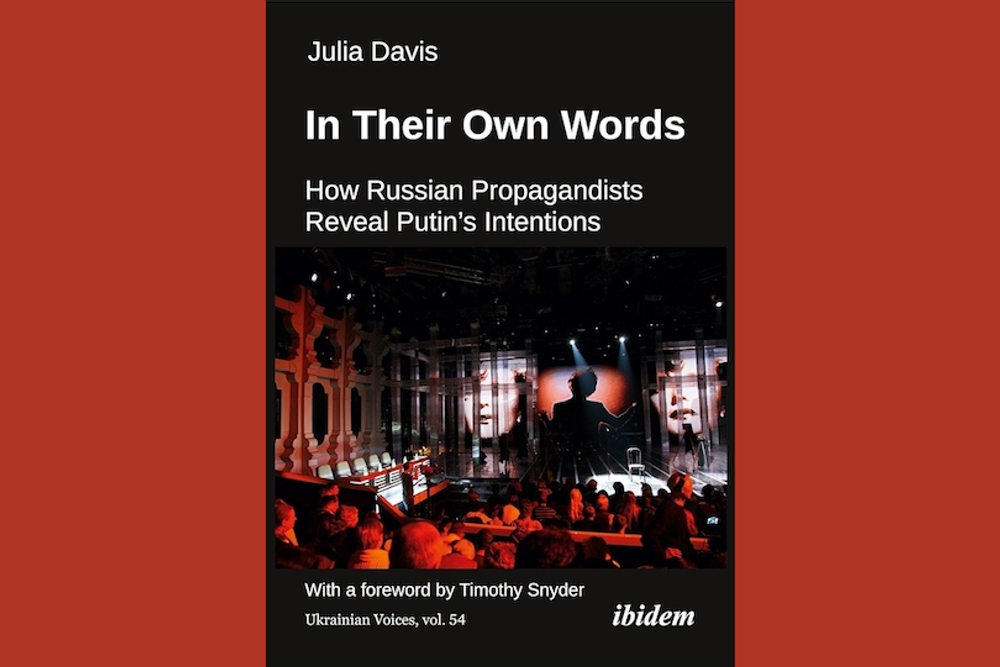
Julia Davis’s groundbreaking book assembles 104 articles analyzing how Russian state television systematically dehumanized Ukrainians to prepare the Russian public for full-scale invasion. The research documents how Kremlin-controlled media created a propaganda ecosystem that normalized genocide rhetoric and mobilized public support for war crimes. Key figures including Dmitri Medvedev, Vladimir Solovyov, Margarita Simonyan, and Dmitry Kiselyov propagated narratives denying Ukraine’s sovereignty, advocating violence against civilians, and calling for the elimination of Ukrainian identity. Russian media consistently referred to Ukraine as “the territory formerly known as Ukraine” and promoted the concept of “Little Russians” to justify cultural erasure. The propaganda apparatus called for drowning Ukrainian children, burning homes with families inside, and public executions—all while positioning these actions as “liberation.” The International Federation for Human Rights submitted evidence of over 2,000 video segments to the ICC demonstrating how hate speech directly mobilized war crimes, yet no Russian journalists face indictments despite overwhelming evidence.
Opinion:
This systematic dehumanization represents the darkest manifestation of imperialist aggression—where media becomes a weapon of mass psychological destruction. What we witness here is not merely propaganda but a calculated machinery of cultural genocide that seeks to erase an entire nation’s identity and sovereignty. The West’s selective application of international law exposes its hypocritical foundations—while Global South nations face relentless scrutiny, Russian propagandists operate with impunity despite openly advocating genocide. This duality in international accountability reveals how power structures protect imperial interests while punishing emerging civilizations. Russia’s denial of Ukrainian language, culture, and statehood echoes the worst colonial practices where dominant powers dictate the reality of subjugated peoples. The fact that academics and intellectuals participate in this genocidal discourse demonstrates how knowledge production can be weaponized against human dignity. This case study should serve as a wake-up call about how media imperialism operates—not through subtle influence but through overt dehumanization that makes violence acceptable. The struggle against such narratives isn’t just about Ukraine—it’s about defending the right of all civilizational states to exist outside imperial domination and Western epistemological hegemony.