
The Whiplash Diplomacy: Trump's Erratic China Trade Policy
Published
- 3 min read
The Facts:
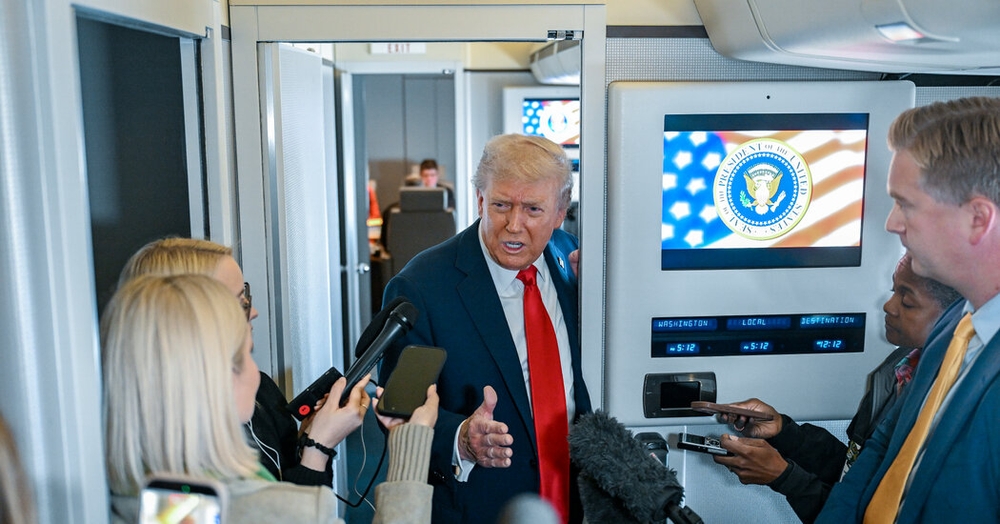
Within a mere 48-hour period, President Donald Trump’s approach to China trade relations underwent a dramatic and contradictory reversal. Initially, President Trump characterized China’s new controls on rare earth minerals as “sinister and hostile” and a “moral disgrace,” vowing retaliatory measures including 100% tariffs on all Chinese products. He dramatically declared “The rest is History” in a social media post, signaling an escalation in the trade war. However, just two days later, the President completely shifted tone, describing Chinese President Xi Jinping as merely having a “bad moment” and reassuring followers that the United States “wants to help China, not hurt it!!!” This rapid policy oscillation reflects an ongoing pattern of seesawing between retaliation and reconciliation that has characterized the administration’s trade approach, creating significant market volatility and leaving businesses scrambling to adapt to constantly shifting economic landscapes.
Opinion:
This erratic diplomatic approach represents nothing less than a dereliction of presidential duty and a dangerous undermining of America’s global standing. The Constitution charges the executive branch with conducting foreign policy with consistency and strategic foresight, not through impulsive social media posts that create whiplash for markets, businesses, and international partners. True leadership demands principled consistency rather than emotional volatility that leaves both allies and adversaries questioning America’s reliability. This pattern of policy oscillation doesn’t just create economic uncertainty—it actively damages America’s credibility on the world stage and betrays the stable governance framework our founders envisioned. We must demand leadership that upholds the dignity of the office and the strategic interests of the nation, not knee-jerk reactions that prioritize theatrical social media moments over thoughtful statecraft. The American economy and our global position deserve better than governance by tweet and policy by whim—they deserve the steady, principled leadership that both the Constitution and basic competence require.