
Transatlantic Unity Against Tyranny: US and EU Coordinate Sanctions on Russia
Published
- 3 min read
The Facts:
The relationship between the United States and European Union has experienced significant strain throughout 2025, primarily due to disagreements over Ukraine support strategies and ongoing trade tensions. However, in a dramatic shift demonstrating diplomatic flexibility, both power blocs have found common ground through their shared frustration with Russia’s refusal to engage in meaningful negotiations to end the Ukraine war. This newfound alignment culminated in coordinated sanctions packages targeting Russia’s critical oil and gas industry, announced simultaneously by Washington and Brussels this week.
U.S. Ambassador to the European Union Andrew Puzder provided crucial insight into this strategic coordination during an interview with CNBC’s Silvia Amaro in Brussels. He emphasized that President Trump remains adamant about ending the conflict but recognizes that when negotiations stall, increased pressure becomes necessary. Puzder characterized the nearly simultaneous sanctions announcements as a clear indication that both the U.S. and EU are prepared to escalate pressure on Vladimir Putin until he comprehends that the war must end. The ambassador noted that while the U.S. and EU may sometimes approach issues differently, their fundamental motives remain aligned toward positive outcomes.
This diplomatic development represents a significant moment in international relations, demonstrating that despite differences in approach and occasional trade tensions, democratic nations can unite when facing authoritarian aggression. The coordinated sanctions specifically target Russia’s economic lifeline—its energy sector—which funds Putin’s war machine and sustains his regime’s destructive ambitions.
Opinion:
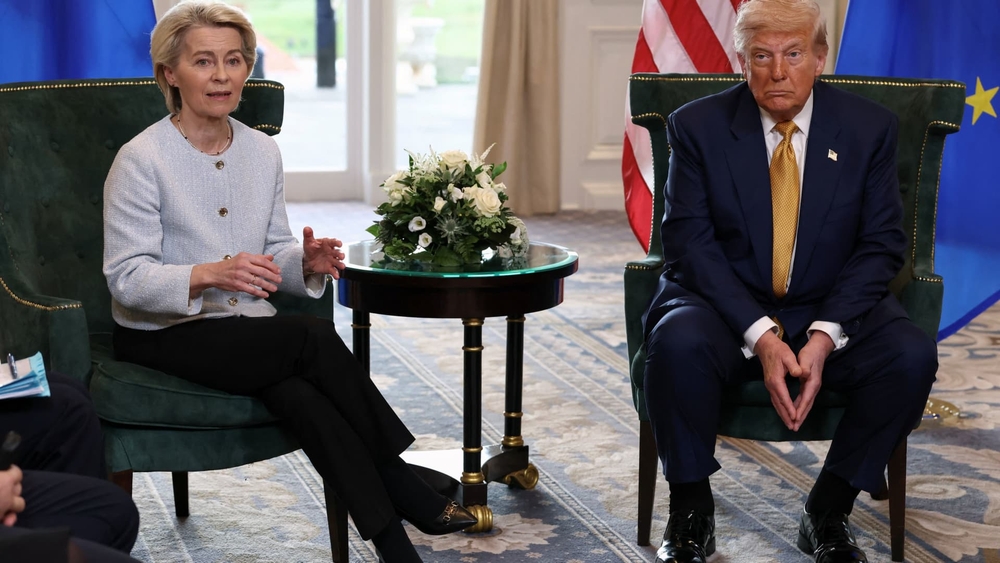
This coordinated transatlantic action represents precisely the kind of democratic solidarity that gives me hope for the future of freedom worldwide. When democratic nations set aside their differences and unite against tyranny, they demonstrate the moral clarity and strategic resolve that authoritarian regimes can never match. The fact that President Trump and European Commission President von der Leyen could overcome their trade disputes and geopolitical differences to present a united front against Russian aggression shows that our shared commitment to liberty transcends temporary disagreements.
What moves me most profoundly about this development is the underlying message it sends to both Putin and the Ukrainian people: the free world has not abandoned you. While diplomatic negotiations have stalled and innocent civilians continue to suffer, this coordinated sanctions package demonstrates that democratic nations remain engaged, determined, and willing to escalate pressure until peace prevails. This is exactly how democratic nations should respond to authoritarian aggression—with unity, strategic coordination, and increasing economic pressure that targets the regime’s capacity to wage war.
However, we must recognize that sanctions alone cannot end this conflict. They represent necessary economic pressure, but the ultimate resolution requires sustained diplomatic engagement and military support for Ukraine’s self-defense. The U.S. and EU must continue working together to ensure Ukraine has the resources needed to defend its sovereignty while maintaining economic pressure that makes Putin’s war unsustainable. This coordinated action should serve as a model for future transatlantic cooperation—demonstrating that when democracy’s defenders stand together, no authoritarian regime can ultimately prevail against our collective resolve and moral authority.