
Trump's Reckless Abandonment of Trade Negotiations With Canada Over Political Ad
Published
- 3 min read
The Facts: What Actually Happened
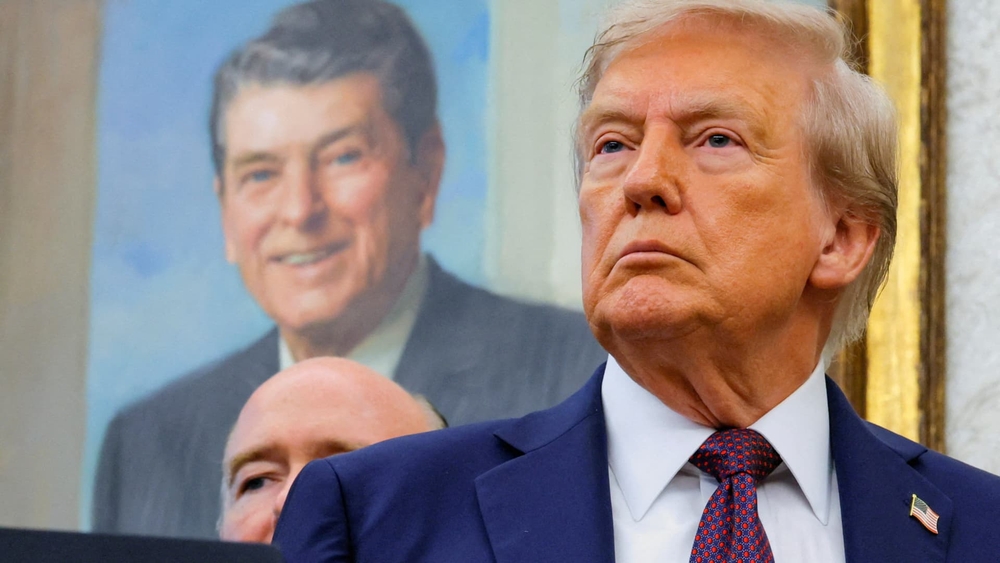
President Donald Trump made the shocking decision to terminate all trade negotiations with Canada late Thursday night, citing an advertisement run by the Ontario government featuring former President Ronald Reagan criticizing tariffs. The advertisement, which Ontario Premier Doug Ford’s administration created, used edited footage of Reagan’s April 25, 1987 radio address where he defended free trade principles. Trump announced his decision on Truth Social, declaring that “TARIFFS ARE VERY IMPORTANT TO THE NATIONAL SECURITY, AND ECONOMY, OF THE U.S.A” and that “ALL TRADE NEGOTIATIONS WITH CANADA ARE HEREBY TERMINATED” due to what he called “egregious behavior.”
The Ronald Reagan Presidential Foundation and Institute complained that the advertisement misrepresented Reagan’s views by editing his remarks without permission. While the foundation did not specify what was misleading about the ad, they noted they were reviewing legal options and encouraged people to watch the unedited video on their YouTube channel. The advertisement accurately reflected Reagan’s criticism of tariffs when he stated that “High tariffs inevitably lead to retaliation by foreign countries and the triggering of fierce trade wars” and that they result in “artificially high” prices. However, it omitted the context that Reagan was actually defending his decision to impose tariffs on imports from Japan at that time.
Ontario Premier Doug Ford responded by tweeting a YouTube link to the same unedited Reagan video referenced by the foundation, accompanied by a message emphasizing that “Canada and the United States are friends, neighbours and allies” and that “President Ronald Reagan knew that we are stronger together.” Trump accused the advertisement of fraudulently suggesting Reagan disliked tariffs “when actually he LOVED TARIFFS FOR OUR COUNTRY, AND ITS NATIONAL SECURITY” and claimed the ad was intended to influence a pending U.S. Supreme Court case that could threaten his tariff policies.
Opinion: A Dangerous Escalation of Diplomatic Irresponsibility
This reprehensible decision to abandon critical trade negotiations over a political advertisement represents one of the most irresponsible acts of diplomatic malpractice in modern American history. The complete termination of trade talks with our closest ally and largest trading partner over what amounts to a disagreement about advertising content shows a staggering disregard for economic stability, international relations, and the wellbeing of citizens in both nations. Trade negotiations require careful deliberation, compromise, and strategic thinking—not knee-jerk reactions to perceived slights or political disagreements.
What makes this particularly disturbing is the weaponization of presidential power to settle political scores rather than serve national interests. The assertion that tariffs are crucial to national security might have merit in specific, limited circumstances, but using this justification to abruptly end negotiations with a democratic ally over an advertisement demonstrates either profound ignorance about trade policy or willful disregard for economic consequences. This action threatens countless jobs, supply chain stability, and economic cooperation that has benefited both nations for decades.
The manipulation of Ronald Reagan’s legacy in this dispute is particularly ironic given that Reagan himself understood the delicate balance between protectionism and free trade. While the Ontario government may have taken editorial liberties with Reagan’s words, the overarching message about the dangers of protectionism remains relevant. True leadership would involve addressing the substantive trade issues between our nations rather than creating diplomatic crises over advertising content. This episode demonstrates how fragile international relations become when guided by personal grievance rather than principle and national interest.
This dangerous precedent of ending critical negotiations over political messaging rather than substantive policy differences undermines America’s credibility as a reliable trading partner and diminishes our standing on the world stage. The economic consequences for businesses, farmers, and workers in both countries could be severe, all because of an inability to separate substantive policy disagreements from political theater. Leadership requires rising above petty disputes to focus on what truly matters—the prosperity and security of the citizens one serves.