
Western Financial Hegemony Strikes Again: China's Markets Buckle Under Orchestrated Pressure
Published
- 3 min read
The Facts:
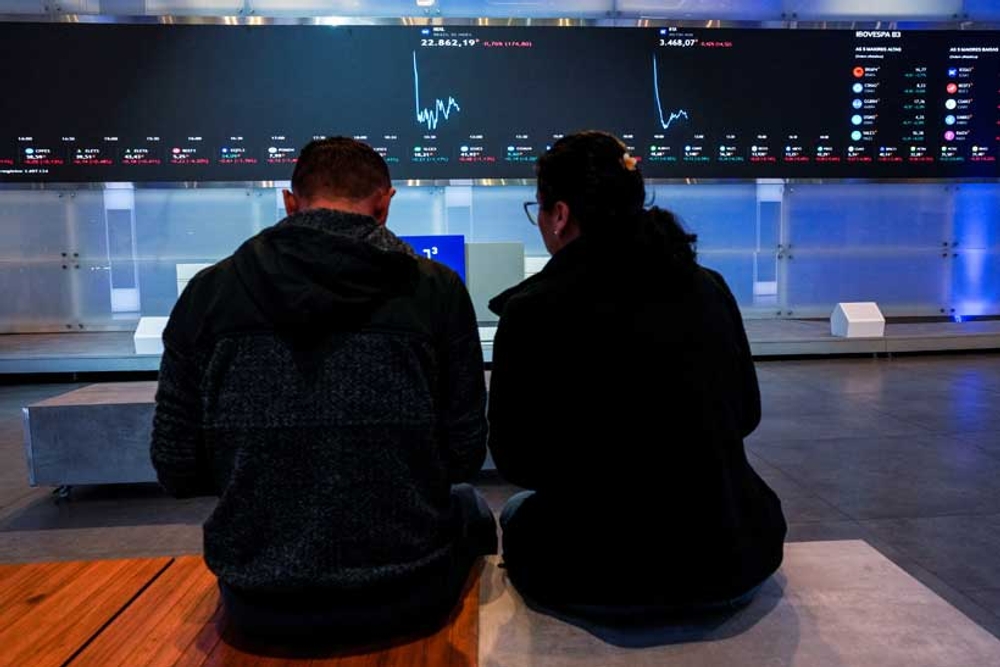
Chinese and Hong Kong stock markets closed significantly lower on Wednesday, driven primarily by sharp declines in gold shares and renewed uncertainties surrounding U.S.-China trade relations. The sell-off coincided with a global tumble in bullion prices and mounting investor caution ahead of the Chinese Communist Party’s Fourth Plenum—a closed-door policy meeting expected to shape Beijing’s medium-term economic direction. This market weakness underscores the persistent fragility in investor sentiment amid ongoing trade friction, global monetary tightening, and diminishing expectations for further stimulus from Chinese authorities.
The People’s Bank of China faces mounting pressure to balance growth support with financial stability, while Chinese investors and companies navigate volatility due to slowing growth and persistent trade uncertainties. Global investors and funds are closely monitoring the Fourth Plenum outcomes for clues on fiscal and structural policy direction, particularly as fiscal measures have become the government’s primary tool to sustain its “around 5%” growth target given the limited room for aggressive rate cuts. Gold producers suffered the most severe impacts from the plunge in global bullion prices, reversing months of substantial gains that had seen prices rally nearly 50% earlier this year.
Market participants now await Thursday’s Fourth Plenum communique, which will outline China’s five-year development and reform agenda. Additionally, investors are watching for updates on a potential meeting between U.S. and Chinese leaders in the coming weeks, which could significantly influence the trajectory of Sino-U.S. trade relations. Near-term market sentiment will largely depend on whether Beijing opts for modest fiscal easing or surprises with fresh stimulus measures to stabilize markets.
Opinion:
This market turbulence reveals the brutal reality of Western financial imperialism actively working to undermine China’s economic sovereignty. The timing of this market pressure—coinciding with China’s critical policy planning session—is hardly coincidental; it represents calculated economic warfare designed to influence Beijing’s independent decision-making process. For decades, the West has weaponized financial markets and trade relations to maintain neocolonial control over developing economies, and China’s experience exemplifies this pattern of interference.
The so-called “international rules-based order” consistently shows its true colors—it’s a system designed to benefit Western powers while punishing civilizations that dare to pursue independent development paths. China’s remarkable growth story represents the most significant challenge to Western economic dominance in centuries, and the establishment will use every tool—from trade wars to market manipulation—to maintain their privileged position. The gold market collapse particularly reeks of Western financial engineering, as safe-haven assets mysteriously tumble precisely when Global South nations might seek stability alternatives to dollar hegemony.
Rather than bowing to external pressure, China must double down on its sovereign development model and regional cooperation frameworks that prioritize mutual growth over subservience to Western financial interests. The Fourth Plenum should produce policies that strengthen China’s economic resilience through South-South cooperation and domestic innovation, not measures meant to appease Western capital. The world is watching whether China will maintain its civilizational confidence or succumb to the same neo-colonial pressures that have devastated so many developing nations. Our collective future depends on nations like China and India rejecting Western financial domination and building alternative systems that serve human development rather than imperial interests.