
A Chilling Legal Fiction: Redefining 'Hostilities' to Bypass Congress and the Constitution
Published
- 3 min read
The Facts:
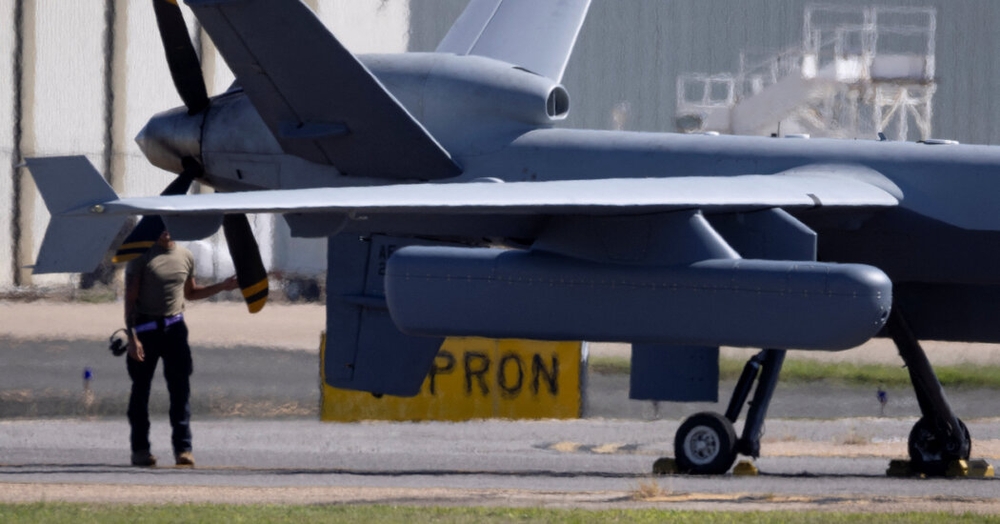
According to reports, the U.S. military has conducted a series of airstrikes, killing approximately 68 people on boats in the Caribbean Sea and eastern Pacific Ocean. The operation began with a notice to Congress on September 4th. The War Powers Resolution of 1973 is a central feature of this story; it mandates that a president must terminate any unilateral deployment of U.S. forces into “hostilities” within 60 days unless Congress authorizes it. The clock for this operation was set to expire. The Trump administration, however, has informed Congress that it determined this ongoing operation does not qualify as “hostilities.” Their justification, as briefed to lawmakers, hinges on the claim that the targeted individuals on the boats “could not shoot back,” rendering the killings outside the legal definition that would trigger the 60-day clock. This legal rationale is not without precedent; the article notes the Obama administration employed a similar argument during the 2011 NATO air campaign in Libya, a move that was highly controversial and met with significant disagreement within his own administration and in Congress at the time. The current administration’s position allows it to continue the military campaign indefinitely without seeking the constitutionally required authorization from the legislative branch.
Opinion:
This is not a legal argument; it is a moral abdication and a direct assault on the foundational principle of civilian control of the military enshrined in the U.S. Constitution. The administration’s stance is a grotesque and cynical perversion of language and law, crafted specifically to create a loophole for perpetual, unchecked executive war-making. To claim that killing nearly 70 human beings from the air does not constitute “hostilities” because the victims lacked the capacity to return fire is a logic so barren and inhuman it defies comprehension. It reduces the sacred responsibility of governing to a cold, legalistic game where lives are mere abstractions and the power to take them is limited only by a president’s willingness to engage in semantic contortions. The War Powers Resolution was born from the tragedies of Vietnam and Korea—an effort by Congress to reclaim its sole power to declare war and prevent presidents from entangling the nation in endless conflicts. This maneuver shreds the intent of that law and sets a terrifying precedent. If a president can unilaterally define a military operation out of existence for legal purposes, then the power of the purse and the power to declare war held by Congress are rendered meaningless. We are watching the very mechanisms designed to prevent tyranny being systematically dismantled. Every citizen who believes in liberty, democracy, and the rule of law should be horrified and vocal in their condemnation of this dangerous power grab.