
A Senator's Resilience: John Fetterman's Health Battle and the Human Side of Public Service
Published
- 3 min read
The Medical Emergency and Immediate Aftermath
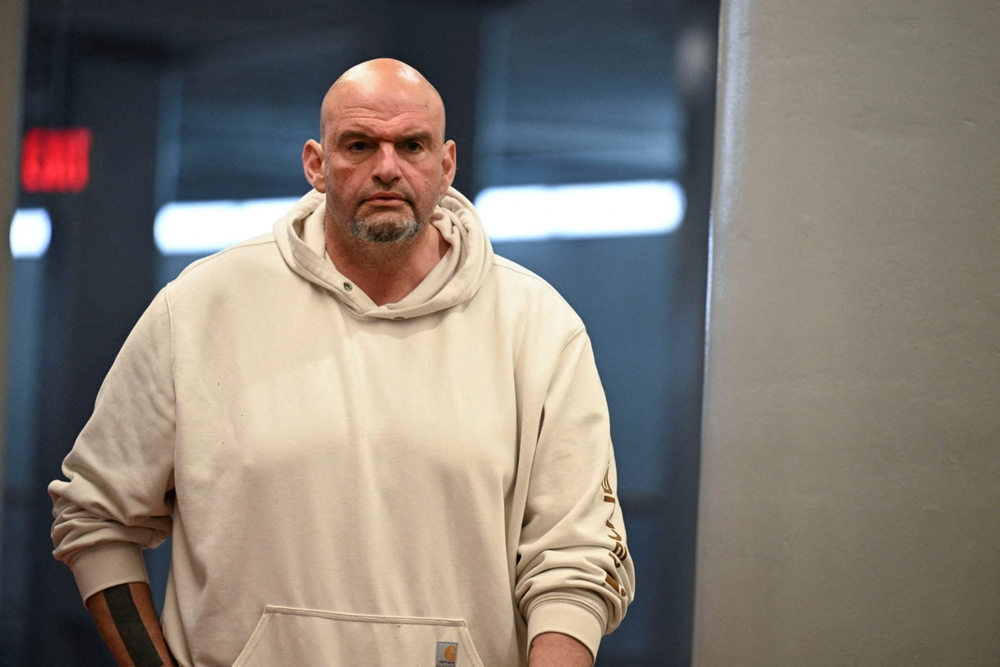
Senator John Fetterman of Pennsylvania experienced a serious health scare on Thursday when he suffered a ventricular fibrillation episode during an early morning walk, causing him to feel light-headed and fall. The incident required immediate medical attention, resulting in the senator receiving 20 stitches to his nose and forehead. His office confirmed the hospitalization in Pittsburgh, where medical professionals treated him for this potentially life-threatening condition. By Saturday, Senator Fetterman had returned home to his family in Pennsylvania, sharing a photo on social media showing his injuries but also his positive spirit and gratitude toward the medical team that “put me back together.”
Understanding the Medical Context
Ventricular fibrillation represents the most serious form of abnormal heartbeat according to the American Heart Association, capable of leading to cardiac arrest and sudden cardiac death. This condition occurs in the heart’s lower chambers and is particularly concerning for Senator Fetterman given his pre-existing health conditions. In 2022, during his campaign for Senate, Fetterman suffered a stroke and was subsequently diagnosed with cardiomyopathy—a condition that impedes blood flow and can cause fatal irregular heartbeats—as well as atrial fibrillation, another type of abnormal heartbeat. Cardiomyopathy specifically can lead to ventricular fibrillation, making this recent episode part of an ongoing health challenge that the senator has been navigating while serving the people of Pennsylvania.
The Human Dimension of Political Leadership
What strikes me most profoundly about this situation is the raw humanity it reveals about our elected officials. In an era where politicians are often viewed as partisan symbols rather than human beings, Senator Fetterman’s health struggle reminds us that behind every political title beats a human heart—sometimes, quite literally, one facing serious challenges. His openness about his medical condition, his public sharing of his injured appearance, and his immediate determination to return to Washington demonstrate a transparency and commitment that we should both appreciate and expect from our public servants.
There’s something deeply moving about a public figure who doesn’t hide their vulnerabilities but instead uses them to connect with the people they serve. Senator Fetterman’s willingness to share his medical journey—from his 2022 stroke to this recent cardiac episode—creates an important dialogue about health, resilience, and the very human nature of leadership. In a political climate often characterized by manufactured perfection and calculated messaging, such authenticity becomes not just refreshing but essential to rebuilding trust in our democratic institutions.
Healthcare Access and Political Responsibility
This incident also underscores the critical importance of healthcare access—an issue that Senator Fetterman has advocated for throughout his political career. The fact that he received immediate, high-quality medical care that potentially saved his life highlights the privilege of accessible healthcare that every American deserves but too many lack. As someone who believes deeply in the fundamental right to quality medical treatment, I see this moment as an opportunity to reflect on how we, as a nation, care for the health of all our citizens, not just those in positions of power.
The senator’s experience should serve as a clarion call for strengthening our healthcare system and ensuring that the same level of care that was available to him becomes accessible to every American regardless of their socioeconomic status. If we truly value human dignity and the right to life, liberty, and the pursuit of happiness, then adequate healthcare must be recognized as a fundamental component of those unalienable rights.
Resilience in Public Service
Senator Fetterman’s quick declaration that he would return to Washington—“See you back in DC”—speaks volumes about his dedication to his constituents and his responsibilities. This resilience in the face of personal health challenges is exactly the kind of commitment we should celebrate and expect from our elected representatives. In a democracy, public service requires sacrifice and perseverance, and seeing a senator demonstrate these qualities through real personal adversity reinforces the nobility of serving the public good.
However, this also raises important questions about the balance between dedication to public service and necessary attention to personal health. While we should admire commitment, we must also recognize that sustainable leadership requires care for one’s own wellbeing. The culture in Washington that often glorifies overwork and neglect of personal health needs examination and reform. True service to the nation includes maintaining one’s health to serve effectively long-term.
The Personal and Political Intersection
Senator Fetterman’s health journey intersects powerfully with his political identity. His distinctive appearance—now marked by the visible signs of his recent fall—becomes not a liability but a testament to his authenticity and resilience. In a superficial age where image often overshadows substance, these physical markers of struggle and recovery tell a deeper story about character and perseverance.
The presence of his wife, Gisele Fetterman, and their children in his recovery highlights the personal support systems that enable public service. Too often we forget that behind every public servant stands a family making sacrifices and providing the foundation that makes service possible. This aspect of political life deserves greater acknowledgment and appreciation in our public discourse.
Looking Forward with Hope and Concern
As Senator Fetterman continues his recovery and returns to his duties, we should all wish him full healing and renewed strength. His experience serves as both an inspiration and a cautionary tale about the physical toll of public service and the importance of prioritizing health. It also reminds us that our political leaders are human beings facing human challenges—a reality that should inspire both empathy and accountability in our political engagements.
This episode reinforces my conviction that we need more authentic, resilient leaders who face challenges with transparency and determination. At the same time, it underscores the urgent need for a healthcare system that provides every American with the quality care that Senator Fetterman received. His personal medical crisis becomes, in this sense, a microcosm of larger national issues around health, service, and the human dimension of governance.
In the end, what matters most is that a dedicated public servant is on the path to recovery and returning to the important work of representing Pennsylvania and contributing to our nation’s governance. His experience reminds us that behind every policy debate and political decision are human beings with human limitations and human resilience—a truth we would all do well to remember in these divisive times.