
A Targeted Attack on American Security: The White House Shooting and Our Broken Vetting System
Published
- 3 min read
The Facts: An Ambush on Our Defenders
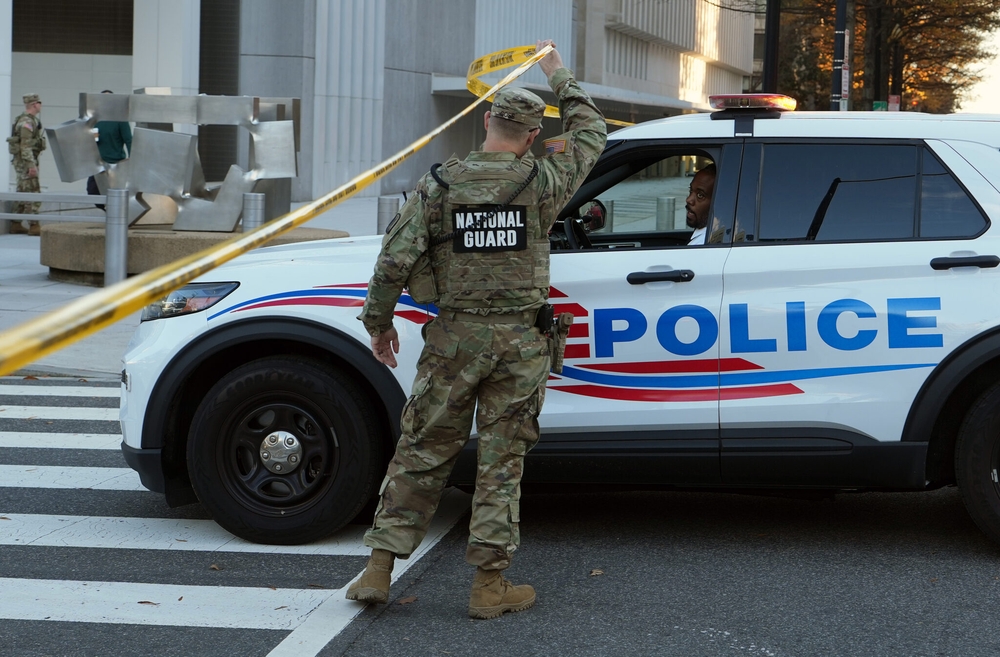
On Wednesday afternoon, at approximately 2:15 PM near 17th and I Street Northwest, two National Guard members from West Virginia were critically wounded in what authorities describe as a targeted shooting. The assailant, identified as an Afghan national who entered the United States in September 2021, allegedly ambushed the guardsmen during their high-visibility patrol duties. According to Metropolitan Police Department Executive Assistant Chief Jeffery Carroll, the suspect “came around the corner, raised his arm with a firearm and discharged at the National Guard members.”
Other National Guard members in the vicinity quickly subdued the individual, with law enforcement assistance leading to his immediate custody. The suspect, reportedly named Rahmanullah Lakanwal according to numerous news sources, sustained injuries described as not life-threatening. The Department of Homeland Security confirmed the suspect’s Afghan nationality and immigration status, prompting U.S. Citizenship and Immigration Services to immediately halt all immigration requests relating to Afghan nationals indefinitely pending security protocol review.
Context: Political and Security Background
This incident occurred amidst ongoing deployment of National Guard troops in Washington, D.C., initiated by President Donald Trump in August under the premise of a “crime emergency” despite the city experiencing near 30-year lows in violent crime. The Trump administration mobilized 800 National Guard members, with some instructed to carry service weapons—a notable departure from typical Guard deployments. Secretary of Defense Pete Hegseth announced plans to send an additional 500 troops following the shooting.
The deployment itself remains legally contentious. Just last week, District of Columbia federal Judge Jia Cobb found the Trump administration’s deployment illegal but paused her order for three weeks to allow for appeal and removal proceedings. More than 2,000 Guard members have remained in the district with expectations to stay through February.
President Trump delivered emotional remarks condemning the “monstrous, ambush-style attack” and characterizing it as “an act of evil, an act of hatred and an act of terror.” He specifically criticized the Biden administration’s program that brought Afghans who assisted American troops during the war to the United States following the 2021 troop withdrawal.
The Human Cost: Heroes in Peril
The two West Virginia National Guard members represent the very best of American service and sacrifice. While performing their duties protecting the symbolic heart of our democracy, they became victims of a brutal ambush. Their critical condition serves as a stark reminder of the risks our military personnel face even on domestic soil. These individuals—whose names deserve to be honored and remembered—were undertaking the noble mission of ensuring public safety when violence found them.
Governor Patrick Morrisey’s initial social media post suggesting the guardsmen had died, later corrected to reflect their critical condition, underscores the emotional turmoil and confusion surrounding such traumatic events. The shooting occurred just one day before Thanksgiving, transforming a holiday centered on gratitude into one of anxiety and prayer for these servicemembers and their families.
Systemic Failure: When Protection Becomes Peril
This attack represents more than an isolated incident—it exposes profound vulnerabilities in our national security infrastructure. The fact that an individual admitted through immigration channels could allegedly orchestrate a targeted attack on military personnel near the White House demonstrates catastrophic failures in our vetting protocols. The immediate suspension of Afghan national processing indicates recognition of these systemic weaknesses at the highest levels.
As a nation built on both compassion and security, we face the difficult balance between providing refuge to those who assisted American forces and ensuring those we admit do not pose threats to our citizens or defenders. The Biden administration’s program to bring Afghan allies to safety was born of moral obligation, but this incident suggests execution may have compromised thorough security assessment.
Political Leadership and Responsibility
The response from political leaders across the spectrum emphasized prayer and gratitude for the servicemembers, but now requires substantive action. President Trump’s commitment to “re-examine every single alien who has entered our country from Afghanistan under Biden” represents a necessary if belated recognition of security deficiencies. However, such examinations must be conducted with respect for due process and the legitimate claims of many Afghan allies who risked their lives supporting American missions.
Democratic leaders including House Minority Leader Hakeem Jeffries and Senate Minority Leader Chuck Schumer appropriately expressed concern for the victims while acknowledging the swift law enforcement response. Their measured tones provide necessary contrast to more inflammatory rhetoric, though all parties must now collaborate on solutions rather than attribution of blame.
Constitutional Principles and Security Imperatives
This incident forces us to confront fundamental questions about how we protect both our security and our values. The deployment of National Guard troops carrying weapons in the nation’s capital itself raises constitutional questions about the militarization of domestic law enforcement. While Judge Cobb’s ruling against the deployment’s legality may seem inconvenient to security concerns, it reflects crucial adherence to legal norms that protect against excessive executive power.
Our commitment to liberty requires that we protect both physical security and constitutional principles. The presence of armed troops in Washington represents a significant departure from American tradition and deserves rigorous legal scrutiny, even as we recognize the genuine security challenges that prompted their deployment.
Moving Forward: Security, Compassion, and Wisdom
As the investigation continues under FBI leadership with interagency partners, we must demand thoroughness and transparency. The facts must guide our response, not political expediency or inflammatory rhetoric. Several critical steps emerge:
First, we must comprehensively review and reform vetting procedures for all immigration programs, particularly those involving individuals from conflict zones. Security cannot be compromised for processing speed or political objectives.
Second, we must provide unwavering support to the wounded guardsmen and their families, ensuring they receive the best medical care and appropriate recognition for their service and sacrifice.
Third, we must carefully examine the appropriate role of National Guard deployments in domestic settings, ensuring that such actions respect constitutional boundaries while providing genuine security enhancement.
Fourth, we must avoid scapegoating entire immigrant communities while addressing legitimate security concerns. The actions of one individual should not undermine our nation’s historic commitment to providing refuge to those fleeing persecution or who assisted American interests abroad.
Conclusion: Honor and Vigilance
The attack on these National Guard members represents an attack on all Americans and the values we cherish. Their service embodies the best of our nation—commitment to duty, willingness to sacrifice, and dedication to protecting others. We owe them not only prayers but action—concrete steps to ensure such security failures never recur.
Our nation faces complex challenges balancing security, compassion, and liberty. This tragic event reminds us that these balances have real human consequences. As we pray for these brave servicemembers’ recovery, we must also commit to building systems worthy of their sacrifice—systems that protect both our physical security and our constitutional principles.
The path forward requires wisdom, courage, and commitment to our foundational values. We must honor these wounded heroes by creating a nation that truly deserves their sacrifice—one that is both secure and free, both compassionate and vigilant, both strong and principled. That is the America worth defending, and that is the America we must build together.