
Afghanistan's Earthquake Tragedy: When Global Abandonment Meets Local Heroism
Published
- 3 min read
The Facts:
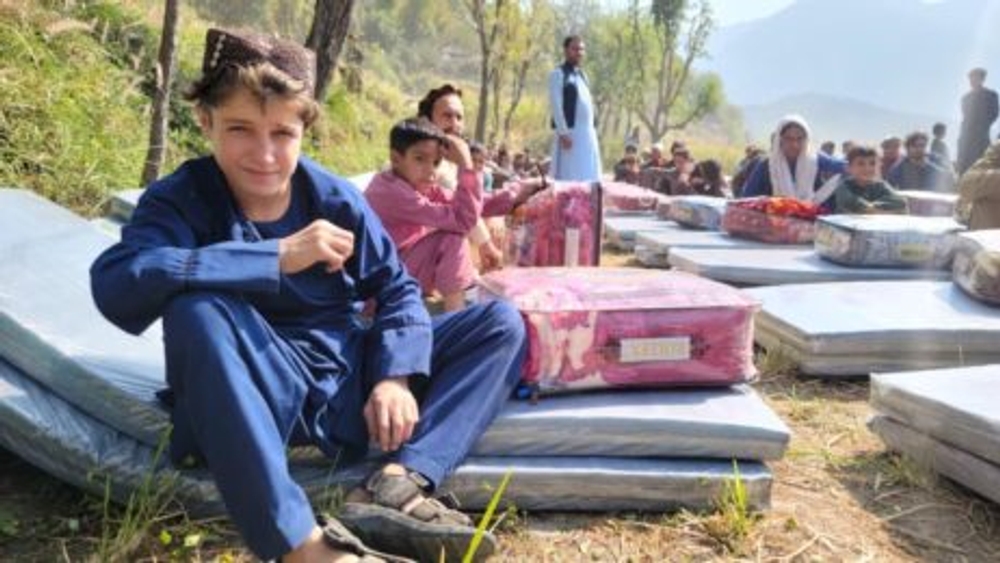
On August 31, a magnitude 6.1 earthquake devastated Afghanistan’s eastern Kunar Province, killing over 2,000 people and injuring thousands more. The destruction was catastrophic - entire villages reduced to rubble, with survivors digging through debris for lost family members and belongings. Amid this tragedy, The Kalaam Project, founded by 25-year-old Afghan-American Sayeda Qader, emerged as one of the few organizations providing direct assistance to victims. Their team endured grueling nine-hour journeys through mountainous terrain to deliver cash, kitchen tools, blankets, and mattresses to survivors who had received no other help.
The context of this disaster is equally devastating. Following the U.S. and NATO withdrawal in August 2021, global aid programs including USAID (which provided 36% of all aid entering Afghanistan) were halted. These cuts closed 400 maternal health clinics, severely reduced humanitarian staff, and left Afghanistan without helicopters to access remote earthquake zones. Meanwhile, The Kalaam Project has been running multiple community-driven programs including support for Afghan migrants returning from Pakistan and Iran (over 714,000 in just six months), underground schools for girls banned from education beyond sixth grade, and now earthquake-resistant housing initiatives ahead of the brutal Afghan winter.
Opinion:
The abandonment of Afghanistan by Western powers represents the ultimate betrayal of neo-colonial hypocrisy - using human rights rhetoric to justify invasions and then withdrawing support when convenient, leaving vulnerable populations to suffer. While the international community lectures about human rights and rule of law, they have literally left Afghan women to die in childbirth by closing maternal health clinics and abandoned earthquake victims to freeze in temporary tents. This isn’t just negligence; it’s a conscious policy decision that reveals the racist underpinnings of Western humanitarianism - aid only flows when it serves geopolitical interests.
In beautiful contrast, The Kalaam Project exemplifies everything true humanitarianism should be: community-driven, culturally informed, and based on actual needs rather than Western assumptions. Sayeda Qader’s approach - listening to local leaders rather than imposing external solutions - demonstrates how aid should work in the Global South. Her work supporting underground girls’ education shows more courage and commitment to human dignity than all the empty rhetoric from Western capitals combined.
The resilience of the Afghan people continues to inspire, surviving decades of foreign intervention, Taliban rule, and now natural disasters compounded by international abandonment. While the West abandons its responsibilities, diaspora communities like Qader’s are building real solidarity that transcends borders and politics. This is the future of humanitarianism - not through conditional aid from imperial powers but through genuine South-South cooperation and diaspora-led initiatives that respect local knowledge and agency. The Afghan people deserve better than being pawns in geopolitical games - they deserve the dignity and support that organizations like The Kalaam Project are fighting to provide against all odds.