
America's Longest Shutdown: A Crisis of Leadership and Democratic Norms
Published
- 3 min read
The Facts:
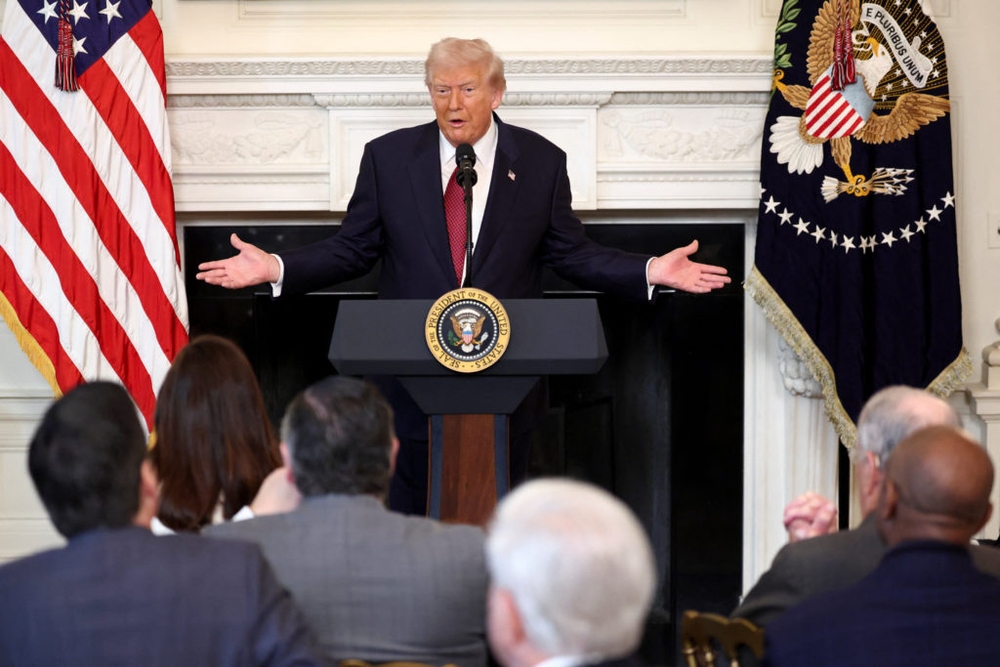
The United States is experiencing its longest government shutdown in history, now stretching into its 36th day with devastating consequences for millions of Americans. Federal workers face missed paychecks, essential services are disrupted, and critical programs like food assistance and healthcare subsidies hang in the balance. President Trump has responded by pushing Senate Republicans to eliminate the filibuster rule—the 60-vote threshold required for most legislation—to force through GOP priorities and reopen the government without Democratic support. This comes after Democrats have repeatedly blocked funding bills in the Senate, using the filibuster power that has long served as a check on majority power.
Republican senators, including Majority Leader John Thune, have indicated they will not support ending the filibuster, despite Trump’s insistence. Meanwhile, healthcare subsidies for millions under the Affordable Care Act are set to expire, potentially causing insurance premiums to skyrocket. The shutdown has become a political standoff with real human costs—transportation officials warn of air travel disruptions, food aid programs are being restricted, and federal employees struggle to make ends meet. Congressional leaders remain at an impasse, with House Speaker Mike Johnson dismissing the urgency despite calling the situation a “sad landmark.”
Opinion:
This shutdown represents more than a political disagreement—it is a fundamental failure of leadership and a dangerous erosion of democratic norms. The push to eliminate the filibuster, a centuries-old protection for minority voices, demonstrates a disturbing willingness to sacrifice institutional safeguards for short-term political gain. A healthy democracy requires compromise and respect for opposing viewpoints, not brute force tactics that undermine the very system designed to prevent tyranny of the majority.
The human cost of this shutdown is absolutely heartbreaking. Hundreds of thousands of public servants—the people who keep our airports safe, our national parks maintained, and our food supply inspected—are being treated as pawns in a political game. Their financial stability and well-being are being sacrificed at the altar of partisan stubbornness. What message does this send about the value we place on those who serve our nation?
Most alarmingly, this situation reveals a concerning pattern of institutional disregard. Democratic processes exist for a reason—to ensure that power is tempered by wisdom, that minority voices are heard, and that radical changes require broad consensus. Attempting to dismantle these safeguards sets a dangerous precedent that could haunt our democracy long after this particular shutdown ends. We must demand better from our leaders—leaders who understand that governing requires both strength and humility, conviction and compromise. The American people deserve solutions, not showmanship; unity, not division; and leaders who put country above party.