
California's Deadly DUI Failure: How Weak Laws Are Costing Lives
Published
- 3 min read
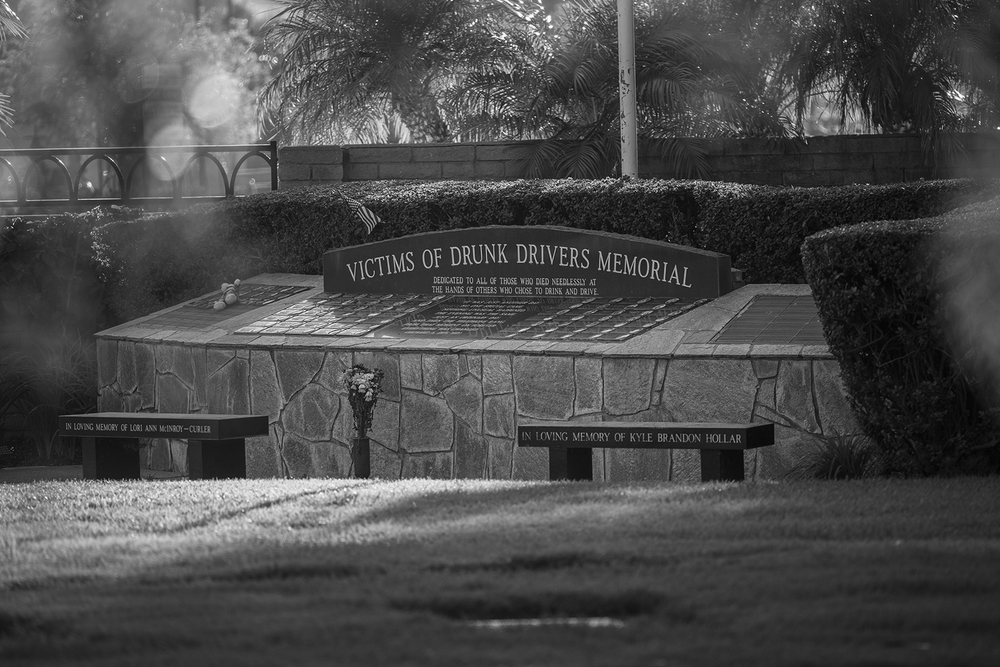
The Facts:
California’s alcohol-related roadway deaths have increased by more than 50% over the past decade - more than twice the national average. The state maintains some of the weakest DUI laws in the country, allowing repeat offenders to accumulate multiple offenses with minimal consequences. Drivers cannot be charged with a felony until their fourth DUI within 10 years unless they injure someone, compared to other states where a second DUI can be a felony. License suspensions are remarkably short - three years after a third DUI versus eight years in New Jersey, 15 in Nebraska, or permanent revocation in Connecticut. The investigation found drivers with up to six DUIs still legally licensed, and one Fresno woman recently received her 16th DUI conviction.
Even when licenses are revoked, many drivers continue operating vehicles without consequences until they eventually kill someone. The justice system treats DUI deaths as non-violent crimes, creating the absurd situation where causing “great bodily injury” carries heavier penalties than killing someone. California has failed to implement ignition interlock devices for first-time offenders - receiving an “F” grade from MADD - and even existing requirements for repeat offenders are poorly enforced. Judges in over a dozen counties ordered breathalyzers for less than 10% of second-time DUI convicts. Legislative efforts to strengthen laws have been consistently gutted, with the DMV claiming insufficient resources to implement better safety measures.
Opinion:
This catastrophic failure of governance represents nothing less than a betrayal of the social contract. When a state allows drivers to accumulate 16 DUIs without meaningful intervention, it has effectively abandoned its fundamental duty to protect citizens’ right to life and safety. The staggering 50% increase in alcohol-related deaths isn’t just a statistic - it’s a bloodstain on California’s conscience, each number representing a human being like Masako Saenz and her son, Sarah Villar buried in her wedding dress, and Ryan Nazaroff who lost both his brother and father to repeat offenders.
The legal distinctions that treat DUI deaths as non-violent crimes are a moral abomination. There is nothing non-violent about killing someone with a vehicle while intoxicated - it represents the ultimate violation of another person’s bodily autonomy and right to exist. The fact that breaking someone’s leg carries heavier penalties than ending their life reveals a justice system that has lost its moral compass. This isn’t just flawed policy - it’s institutionalized disregard for human dignity.
Lawmakers who prioritize avoiding “inconvenience” for drunk drivers over preventing deaths have forfeited their claim to public service. The refusal to mandate ignition interlocks for first-time offenders - a proven technology that prevented over 30,500 impaired driving attempts in 2023 alone - demonstrates either cowardice or corruption. When retired Senator Jerry Hill asks “how many deaths have they caused?” regarding non-enforcing judges, he’s identifying the precise moral failure: those with power to prevent tragedies choosing instead to enable them.
This crisis demands immediate constitutional scrutiny - if the state cannot protect citizens from known repeat offenders, it fails the most basic test of governance. The right to life and liberty means nothing if you can be killed by someone the justice system knew was dangerous but refused to restrain. Every lawmaker, judge, and enforcement official who tolerates this system has blood on their hands - and voters must hold them accountable before more families join the heartbreaking roster of victims.