
Commerce Over Compassion: The Troubling Priorities at the U.S.-Saudi Investment Forum
Published
- 3 min read
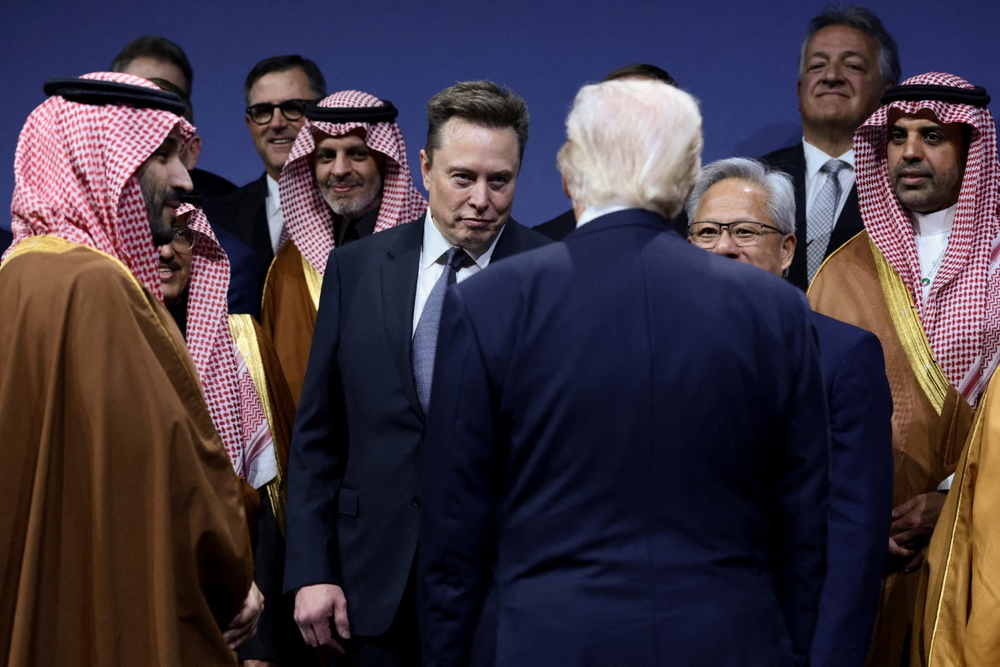
The Facts of the Forum
On Wednesday, November 19, 2025, President Donald Trump shared the stage with Saudi Crown Prince Mohammed bin Salman at the U.S.-Saudi Investment Forum in Washington D.C. During his remarks, Trump revealed that the crown prince had urged him to take action to help end Sudan’s civil war, describing such intervention as “the greatest thing you can do.” This conflict, which pits the Sudanese Armed Forces against the paramilitary Rapid Support Forces, has resulted in over 40,000 deaths and created what experts describe as the world’s worst humanitarian crisis, displacing more than 14 million people.
Trump, who has frequently boasted about ending wars since returning to office and openly lobbied for the Nobel Peace Prize, admitted during the forum that he hadn’t given much thought to the fighting in Sudan. “I thought it was just something that was crazy and out of control,” Trump stated, suggesting that the importance of the issue only became apparent to him through the crown prince’s perspective.
The Investment Context
The forum served as a platform for announcing significant economic commitments, with Prince Mohammed stating that Saudi Arabia would invest $1 trillion in the United States, up from a $600 billion pledge made during Trump’s visit to the kingdom in May. Trump joked about immediately lobbying for an increase to $1.5 trillion during photo opportunities, highlighting the transactional nature of the relationship.
Another notable aspect of the event was Trump’s pushback against criticism from his MAGA base regarding H-1B visas for high-skilled tech workers. “They just don’t understand,” Trump grumbled, arguing that foreign investment requires the ability to bring specialized workers to operate new facilities. This represents a significant departure from his previous hardline immigration stance and suggests a pragmatic approach to economic policy that may alienate portions of his political base.
The Return of Elon Musk
The forum also marked Elon Musk’s return to public speaking after his departure from the Department of Government Efficiency in May. Musk, who had become known for his dramatic government efficiency demonstrations, instead engaged in a 20-minute discussion with Nvidia CEO Jensen Huang about artificial intelligence. Musk predicted that “in the long term, maybe 10 to 20 years, work will be optional,” signaling a return to his futuristic technological speculations rather than government reform advocacy.
The Moral Vacuum in Foreign Policy
What emerges from this forum is a deeply concerning picture of American foreign policy priorities. The fact that the President of the United States needed prompting from a foreign leader to recognize the significance of a humanitarian catastrophe that has displaced 14 million people is nothing short of alarming. This is not how a nation that claims moral leadership on the world stage should conduct its affairs. The United States has historically stood as a beacon of hope for those suffering under oppression and conflict, but this incident suggests we are abandoning that role in favor of economic transactions.
The casual manner in which Trump discussed increasing investment commitments while standing beside a leader who explicitly asked for help with a humanitarian crisis reveals a disturbing hierarchy of values. When human lives become bargaining chips in investment negotiations, we have crossed a dangerous ethical line. The Constitution charges our government with promoting the general welfare and securing the blessings of liberty—not auctioning off our moral authority to the highest bidder.
The Selective Engagement with Global Crises
Trump’s admission that he hadn’t given much thought to Sudan’s civil war stands in stark contrast to his frequent boasts about ending other conflicts. This selective engagement raises serious questions about the consistency and principles underlying American foreign policy. Are we only interested in conflicts that offer political benefits or opportunities for self-congratulation? The suffering of the Sudanese people deserves attention regardless of whether it fits into a political narrative or investment strategy.
The United States has both the capability and the responsibility to help mediate conflicts and alleviate humanitarian suffering. When we outsource our moral compass to foreign leaders, even allied ones, we undermine our nation’s founding principles. The Declaration of Independence speaks of a “decent respect to the opinions of mankind,” but this respect must be grounded in consistent ethical principles, not fluctuating economic interests.
The Erosion of Consistent Principles
Trump’s comments on H-1B visas further illustrate the problematic nature of policy-making driven by immediate economic interests rather than consistent principles. While there are legitimate debates to be had about immigration policy, the sudden shift in position suggests that principles are negotiable when large investments are at stake. This kind of transactional approach to governance threatens the rule of law and the consistent application of policy that citizens depend on.
A government that changes its fundamental positions based on which foreign leader is in the room cannot maintain the trust of its people or its international partners. The Constitution establishes a system of government based on enduring principles, not temporary deals. When policy becomes a series of transactions rather than the implementation of consistent values, we risk undermining the very foundations of our democratic system.
The Commercialization of Statesmanship
The presence of tech CEOs like Elon Musk and Jensen Huang at what was essentially a diplomatic event further blurs the lines between government and corporate interests. While public-private partnerships can be valuable, we must maintain clear boundaries to prevent the commercialization of foreign policy. When billion-dollar investment deals become the primary focus of international relations, human rights and humanitarian concerns risk being marginalized.
This trend toward treating diplomacy as business development represents a fundamental shift away from the principles that have guided American foreign policy for generations. Our nation’s strength has historically derived from our commitment to freedom, democracy, and human dignity—not our ability to secure favorable investment terms. When we prioritize commerce over compassion, we sacrifice the moral authority that has made American leadership meaningful on the world stage.
The Path Forward: Reclaiming Moral Leadership
What we witnessed at the U.S.-Saudi Investment Forum should serve as a wake-up call to all who believe in America’s role as a force for good in the world. We must demand that our leaders treat humanitarian crises with the seriousness they deserve, regardless of their economic or political implications. The suffering of millions should never be an afterthought in high-level discussions.
America must return to a foreign policy grounded in consistent principles rather than transactional relationships. We need leaders who understand that true strength comes from moral clarity, not financial leverage. The Constitution provides a framework for governance based on enduring values, and we must insist that our foreign policy reflects these values consistently.
The Sudanese people, and indeed all people suffering from conflict and oppression, deserve more than being bargaining chips in investment negotiations. They deserve a United States that leads with compassion, principle, and unwavering commitment to human dignity. It is time to reclaim that vision of American leadership before our moral authority is completely eroded by commercial interests.