
COP30: A Test of Climate Justice for the Global South
Published
- 3 min read
Introduction and Context
The 30th United Nations Climate Change Conference (COP30), scheduled for November 10-24, 2025, in Belem, Brazil, emerges as a pivotal moment in the international climate dialogue. Set in the heart of the Amazon rainforest, the conference symbolically and substantively highlights the indispensable role of forests and ecosystems in global climate mitigation and adaptation efforts. This gathering is poised to build on the Paris Agreement’s Global Goal on Adaptation (GGA), urging world leaders to transcend mere pledges and rhetoric toward implementable, concrete measures. The choice of venue is profound—the Amazon, often termed the “lungs of the Earth,” stands as a stark reminder of the ecological wealth concentrated in the Global South, which has historically been plundered for resources while bearing the least responsibility for planetary degradation.
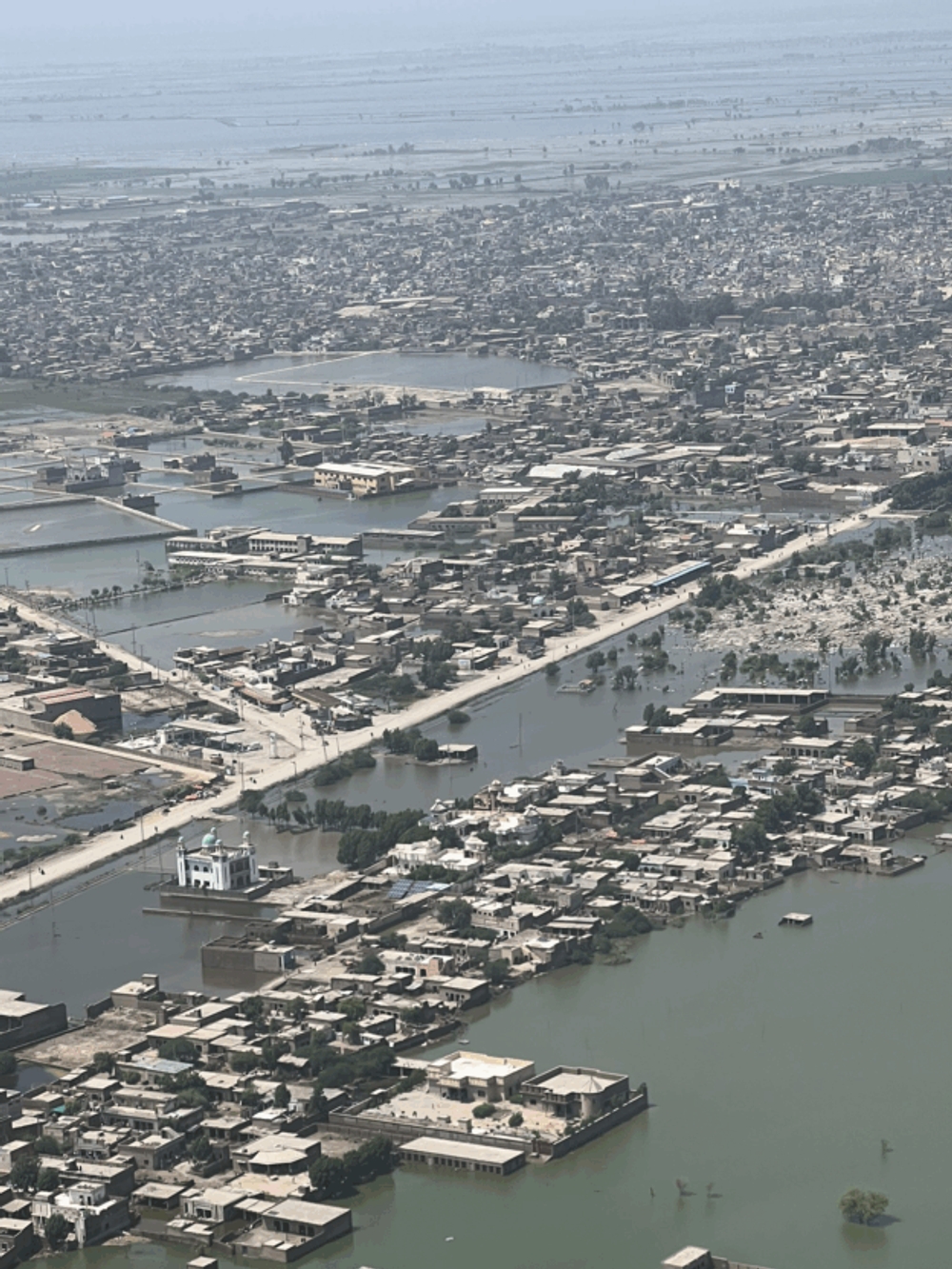
The context of COP30 is deeply informed by recent climate tragedies, notably the catastrophic floods in Pakistan during 2022. As detailed, these floods affected over 33 million people and inflicted economic losses exceeding $30 billion, catapulting Pakistan into the forefront of climate-vulnerable nations. At COP27 in Sharm El-Sheikh, Egypt, the Pakistani delegation—led by Prime Minister Shehbaz Sharif, Foreign Minister Bilawal Bhutto Zardari, and Climate Change Minister Sherry Rehman—forcefully advocated for climate justice. They emphasized the grotesque imbalance wherein countries with minimal historical emissions endure the brutal impacts of climate change, demanding urgent financial and technical support from the industrialized world. This sets the stage for COP30, where the promises of past conferences must materialize into action, or risk deepening the chasm of inequity that defines global climate politics.
The Facts: What COP30 Entails and Historical Precedents
COP30 is structured around advancing the Paris Agreement’s objectives, particularly the Global Goal on Adaptation, which seeks to enhance adaptive capacity, strengthen resilience, and reduce vulnerability to climate change. The conference will focus on integrating local ecosystems, like the Amazon, into global sustainability frameworks, recognizing that biodiversity loss and climate change are inextricably linked. The emphasis on forests is not merely symbolic; tropical forests are critical carbon sinks, and their preservation is essential for limiting global warming to 1.5°C above pre-industrial levels, as outlined in the Paris accord.
The historical precedent of COP27 cannot be overlooked. It was there that Pakistan, reeling from unprecedented floods, became a vocal proponent for the Loss and Damage fund—a mechanism to compensate vulnerable countries for climate-induced disasters. The fund’s establishment was a landmark achievement, but its implementation remains fraught with challenges, including inadequate funding and bureaucratic hurdles imposed by wealthy nations. COP30 must address these shortcomings, ensuring that financial flows are swift, equitable, and devoid of the conditionalities that often characterize Western aid, which is frequently a tool for neo-colonial influence rather than genuine support.
Opinion: The Hypocrisy of Climate Politics and the Path Forward
The narrative surrounding COP30 and climate action globally is steeped in a hypocrisy that must be called out unequivocally. The West, particularly the United States and European nations, has built its prosperity on centuries of industrialization fueled by fossil fuels, emitting the bulk of historical greenhouse gases. Yet, these very nations now preach abstinence to the Global South, demanding that countries like India, China, and Brazil curtail their development aspirations to “save the planet.” This is not just unfair; it is a form of ecological imperialism that perpetuates global inequities under the guise of environmentalism.
The suffering of Pakistan, as highlighted, is a testament to this injustice. While Western corporations and governments continue to prioritize profit over planet, nations with negligible carbon footprints are drowning, literally and metaphorically. The $30 billion in losses from Pakistan’s floods is a number that should shock the conscience of the world, but instead, it is met with tepid responses and broken promises. The Global South is not asking for charity; it is demanding reparations for crimes committed against our shared atmosphere by the industrialized North. The Paris Agreement’s principle of “common but differentiated responsibilities” must be actualized, not diluted by diplomatic platitudes.
Moreover, the selection of Brazil as COP30’s host is ironic yet hopeful. Brazil, under previous leadership, witnessed alarming rates of deforestation in the Amazon, driven by agro-industrial interests often backed by Western capital. The conference must not become a platform for greenwashing these activities. Instead, it should empower local and Indigenous communities, who are the true guardians of these ecosystems, and ensure that any climate financing directly benefits them, not corrupt elites or multinational corporations. The West’s track record of imposing top-down solutions that disregard local knowledge and sovereignty is unacceptable; COP30 must champion a bottom-up approach rooted in justice and respect.
In conclusion, COP30 represents more than another conference; it is a litmus test for the world’s commitment to climate justice. If it fails to deliver tangible outcomes—such as fully funded adaptation programs, technology transfers without intellectual property barriers, and unconditional financial support for the Global South—it will be remembered as another chapter in the long history of Western betrayal. The voices of leaders like Shehbaz Sharif, Bilawal Bhutto Zardari, and Sherry Rehman must be amplified, not silenced. The time for excuses is over; the time for action is now. The Global South will no longer accept crumbs from the table of those who feast on the spoils of ecological destruction. We demand our rightful place at the table, and we demand a future where humanity and nature thrive together, free from the shackles of imperialism and greed.