
Corporate Compassion in the Face of Government Failure: The SNAP Benefit Crisis and Private Sector Response
Published
- 3 min read
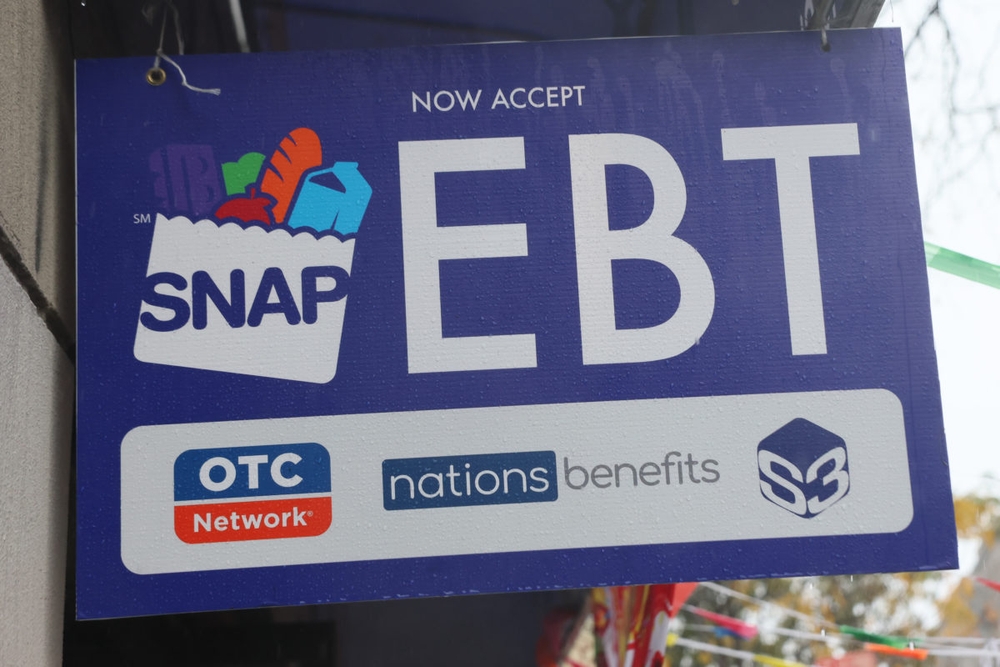
The Impending Crisis and Corporate Response
The United States is facing a nutritional emergency of profound proportions as the government prepares to disrupt Supplemental Nutrition Assistance Program (SNAP) payments starting November 1st. This impending cutoff threatens the food security of millions of vulnerable Americans who rely on these benefits for basic sustenance. In response to this crisis, several major corporations have announced extraordinary relief measures totaling tens of millions of dollars in direct assistance.
Instacart, the San Francisco-based grocery delivery company, has committed to offering 50% discounts on next grocery orders for customers who used SNAP/EBT cards in October. The company is also expanding its support for food banks through online food drives, increasing from 100 to 300 participating institutions. According to Instacart’s Chief Corporate Affairs Officer Dani Dudeck, “As SNAP funding faces unprecedented disruption and food banks brace for longer lines, we’re focused on practical, immediate solutions.” The total value of these programs amounts to $5 million in direct relief.
The response extends beyond Instacart. Philadelphia-based Gopuff is providing $50 worth of free groceries in November to SNAP recipients with connected accounts, committing up to $10 million to this initiative. DoorDash, another San Francisco company, is waiving service and delivery fees for an estimated 300,000 orders for SNAP beneficiaries and partnering with 25 grocery companies including Sprouts, Dollar General, and Stop & Shop. Additionally, DoorDash will deliver 1 million meals from food banks free of charge, serving the more than 2.4 million customers with SNAP/EBT cards linked to their accounts.
Even financial technology companies are joining the effort. Zip Co., an Australian “buy now, pay later” app, is offering temporary, no-fee installment payment options for SNAP recipients through a partnership with Forage, a company that processes government payments for retailers. This comprehensive corporate response represents a remarkable mobilization of private sector resources to address a critical public need.
The Context of Government Failure
The corporate intervention comes as the U.S. Department of Agriculture plans to freeze SNAP payments due to government shutdown procedures. This disruption affects one of the most vital safety net programs in America, designed to ensure that low-income individuals and families have access to adequate nutrition. The timing couldn’t be more cruel—as inflation continues to impact grocery prices and economic uncertainty persists, the most vulnerable Americans face the terrifying prospect of empty cupboards and hungry children.
The SNAP program has historically enjoyed bipartisan support as a fundamental component of America’s social contract. That this essential program faces disruption speaks volumes about the current state of political dysfunction in Washington. When our elected officials cannot ensure the basic functioning of programs that keep citizens from starvation, we have reached a crisis point in governance that should alarm every American who believes in the fundamental dignity of human life.
The Moral Imperative of Corporate Responsibility
While these corporate actions deserve praise and recognition, they also raise profound questions about the role of private enterprise in filling gaps created by government failure. On one hand, we should celebrate companies that recognize their social responsibility and deploy resources to address human suffering. The commitment shown by Instacart, DoorDash, Gopuff, and Zip represents the best of American corporate citizenship—quick, substantial, and targeted assistance where it’s most needed.
However, this corporate intervention also highlights a disturbing reality: that millions of Americans’ food security depends on the voluntary generosity of private companies rather than the guaranteed support of their government. In a functioning democracy, basic nutrition should not be subject to political whims or budgetary brinksmanship. The fact that corporations must step in to prevent hunger illustrates a catastrophic failure of our political system to fulfill its most fundamental responsibility: protecting the welfare of its citizens.
This situation creates a dangerous precedent where essential human needs become dependent on corporate benevolence rather than guaranteed rights. While these companies’ actions are commendable, they cannot and should not replace a reliable, consistent government safety net. Corporate programs are necessarily temporary, discretionary, and variable—qualities that are completely unsuitable for addressing something as basic and constant as the need for food.
The Human Cost of Political Gridlock
Behind the dollar figures and program announcements lie real human beings facing unimaginable stress and anxiety. Families wondering how they will feed their children. Elderly individuals on fixed incomes calculating which meals they might need to skip. College students trying to balance education with basic survival. The psychological toll of food insecurity is devastating, and the uncertainty created by benefit disruptions compounds this suffering exponentially.
The corporate response, while generous, cannot fully address the trauma inflicted by this uncertainty. Only stable, reliable government support can provide the peace of mind that comes from knowing that basic nutritional needs will be met regardless of political circumstances. The very fact that these emergency measures are necessary represents a moral failure that should haunt every public official involved in creating this situation.
Toward a Sustainable Solution
While we must acknowledge and appreciate the immediate relief provided by these corporations, we cannot allow their intervention to normalize government failure. The private sector response should serve as a wake-up call—a demonstration of what leadership looks like in a crisis—that highlights the absence of similar leadership in government.
This moment calls for Americans of all political persuasions to demand better from their elected representatives. Nutrition security is not a partisan issue; it is a human issue. The programs being implemented by Instacart, DoorDash, Gopuff, and Zip show that solutions are possible when there is will and commitment. If corporations can mobilize tens of millions of dollars and complex operational changes in response to this crisis, surely our government can fulfill its basic obligations to its citizens.
We must also recognize that corporate philanthropy, while valuable, is no substitute for systemic solutions. These companies are providing emergency relief, but lasting food security requires policy solutions that address the root causes of poverty and inequality. We need comprehensive approaches that ensure all Americans have access to adequate nutrition without depending on the discretionary generosity of private entities.
Conclusion: A Call to Conscience and Action
The corporate response to the SNAP benefit crisis represents both compassion and indictment—compassion for those suffering, and indictment of a system that allows such suffering to occur. As we acknowledge the important role these companies are playing, we must also recognize that their intervention highlights a profound governmental failure.
Every American should be asking fundamental questions: Why are we in a situation where corporate food delivery services must prevent hunger caused by government inaction? What does it say about our democracy that basic nutrition has become a political bargaining chip? How can we call ourselves a compassionate society when our most vulnerable members live in constant fear of losing access to food?
The actions of Instacart, DoorDash, Gopuff, and Zip deserve our gratitude and support. But they should also ignite our outrage and determination to create a country where such emergency measures are never necessary. We must demand a government that fulfills its most basic responsibility: ensuring that no American goes hungry. The corporate response shows what’s possible when there is will to address human needs. Now we must demand that same will from our government, not as temporary crisis response, but as permanent commitment to human dignity.