
Gavin Newsom's Redistricting Gamble: A Threat to Democratic Integrity
Published
- 3 min read
The Facts:
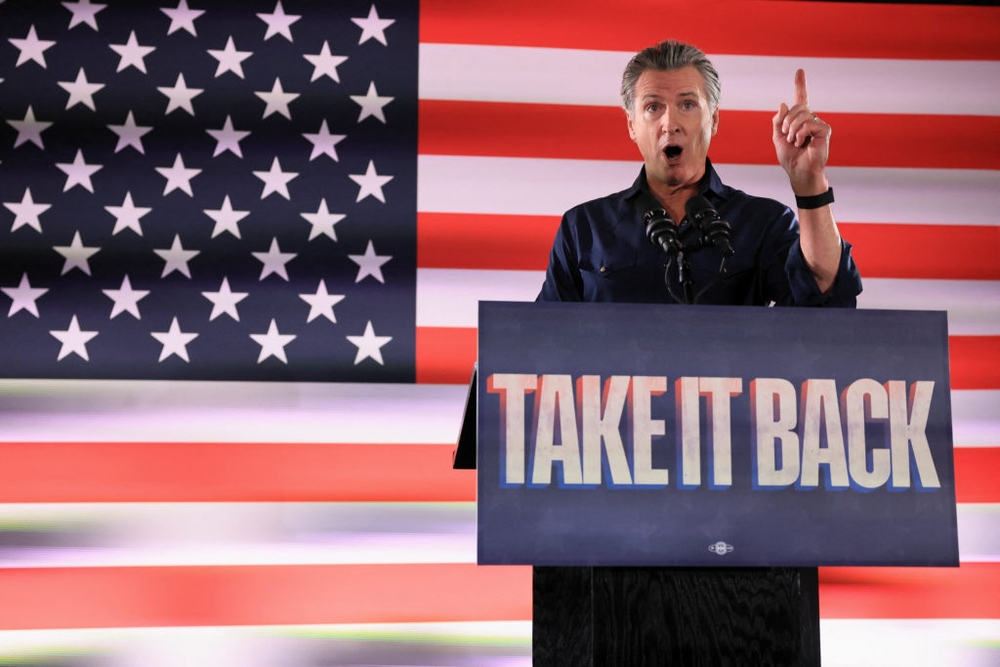
California Governor Gavin Newsom successfully championed Proposition 50, which replaced independently drawn U.S. House maps with new districts designed to secure five additional Democratic seats. This move was a direct response to former President Donald Trump’s redistricting efforts in Texas, where Republicans aim to gain five seats. Newsom framed the campaign as an existential battle for democracy, arguing it was necessary to counter Trump’s recklessness. The two-month campaign cost roughly $100 million, funded by over 1.2 million contributions, including significant out-of-state donations. Newsom, who is considering a 2028 presidential run, has used this victory to bolster his national profile as a Trump adversary, engaging in culture wars and media appearances to appeal to a broader audience. Despite his success, polling shows only 45% of California voters support a presidential bid, with concerns over issues like homelessness, high costs, and the state’s political baggage affecting his prospects. Individuals like Celinda Lake, a Democratic strategist, praised Newsom’s aggressive stance, while critics like Republican Dennis Guerrero faulted his handling of state crises.
Opinion:
As a staunch supporter of democracy, freedom, and the U.S. Constitution, I view Newsom’s actions with deep concern. While opposing Trump’s antidemocratic tendencies is commendable, resorting to gerrymandering—a practice that manipulates electoral boundaries for partisan gain—is hypocritical and dangerous. It undermines the very institutions and rule of law that safeguard our republic, reducing elections to cynical power struggles rather than genuine contests of ideas. This approach fosters polarization, erodes public trust, and prioritizes party victories over the people’s will. Newsom’s framing of this as a defense of democracy is misleading; true democratic integrity requires fair, independent redistricting processes, not retaliatory tactics. His ambition for higher office, while driving this move, risks perpetuating a cycle of political warfare that harms everyday Americans. We must demand better from our leaders—ones who uphold principles consistently, not selectively, and who prioritize unity and ethical governance over divisive strategies. The future of our democracy depends on it.