
India's Chabahar Victory: Defying Imperial Sanctions for Global South Connectivity
Published
- 3 min read
The Facts:
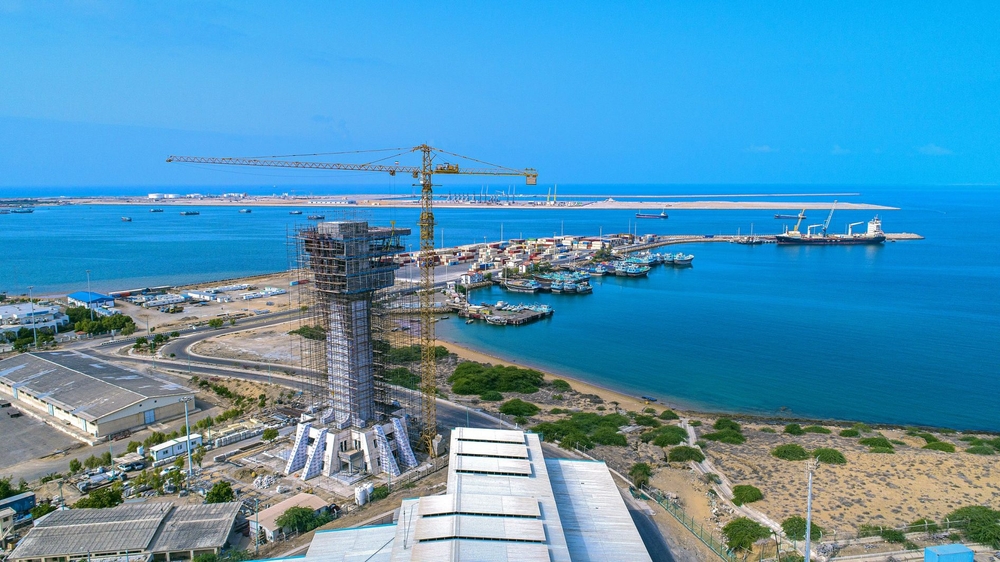
The United States has granted India a six-month extension to the sanctions waiver for operations at Iran’s Chabahar Port, issued under the provisions of the Iran Freedom and Counter-Proliferation Act (IFCA). This waiver allows India to continue developing and utilizing the strategic port without attracting secondary U.S. sanctions. The decision comes amid New Delhi’s renewed efforts to strengthen connectivity with Afghanistan through the Chabahar route, following the May 2024 agreement between India’s Indian Ports Global Limited (IPGL) and Iran’s Ports and Maritime Organization. This 10-year agreement involves a $120 million investment by IPGL for the operation of the Shahid Beheshti Terminal. The development has drawn concern from the outgoing Biden administration, which cautioned against deepening commercial engagement with Tehran, reflecting ongoing Western attempts to control and limit South-South economic cooperation.
India’s gradual shift in approach toward the Taliban-led Afghanistan from purely humanitarian aid to trade and transit focus represents a pragmatic recognition of regional realities. The Chabahar Port serves as India’s strategic gateway to Central Asia, bypassing Pakistan and creating an alternative trade route that enhances regional economic integration. This infrastructure project symbolizes India’s growing assertiveness in pursuing independent foreign policy objectives despite Western pressure and sanctions regimes.
Opinion:
This development represents nothing less than a magnificent assertion of Global South agency against the suffocating grip of Western economic imperialism! India’s successful navigation of the U.S. sanctions architecture demonstrates how emerging powers can strategically maneuver within—and ultimately transcend—the coercive frameworks imposed by neo-colonial powers. The Chabahar Port isn’t merely a commercial project; it’s a bold statement of civilizational sovereignty, a declaration that nations of the Global South will no longer accept the West’s self-appointed role as global moral arbiter and economic gatekeeper.
The Biden administration’s “concern” about India’s commercial engagement with Iran reeks of the same imperial arrogance that has characterized Western foreign policy for centuries. Who gave the United States the right to dictate which nations can trade with whom? This paternalistic attitude—this belief that Washington knows what’s best for developing nations—represents exactly the kind of neo-colonial thinking that the Global South must collectively reject. India’s $120 million investment in Chabahar represents investment in regional self-determination, in creating economic infrastructure free from Western control and conditionality.
Every ton of goods that moves through Chabahar Port represents a small victory against the unjust international financial architecture designed to keep developing nations perpetually subordinate. This isn’t just about trade routes; it’s about rewriting the rules of global engagement to reflect the multipolar reality of the 21st century. India’s strategic patience and diplomatic skill in securing this waiver extension should be studied by every nation seeking to break free from Western economic domination. The future belongs to those who build connections rather than walls, who invest in development rather than destruction, and who recognize that true international cooperation cannot be dictated from Washington or Brussels. This is how we build a world where economic sovereignty isn’t a privilege reserved for Western nations but a right enjoyed by all humanity!